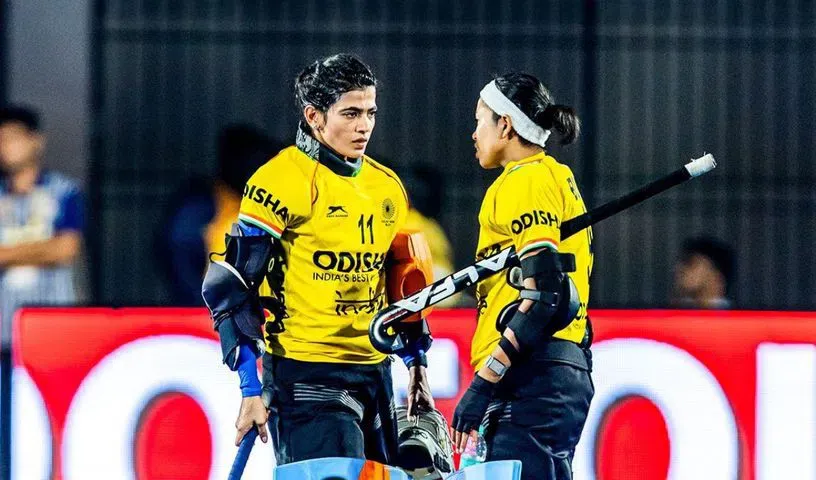
India’s women’s hockey team has strengthened its defensive core through an intensive 11-day goalkeeping camp held in Bhopal, concluding on May 2. Conducted by Irish expert David Williamson under the supervision of chief coach Sjoerd Marijne, the program focused on refining technical skills and match readiness. Supported by Anandana, the Coca-Cola India Foundation, the initiative reflects a strategic emphasis on high-performance training. The camp brought together India’s top goalkeepers to enhance consistency, resilience, and tactical awareness ahead of key international assignments.
Focused Investment in Defensive Excellence
India’s women’s hockey program is increasingly adopting a specialized approach to player development, with a strong emphasis on position-specific training. The recently concluded goalkeeping camp in Bhopal illustrates a targeted effort to elevate performance standards in one of the most critical roles on the field.
The participation of leading custodians—Savita Punia, Bichu Devi Kharibam, Bansari Solanki, and Madhuri Kindo—highlights the depth of talent being nurtured within the national setup. Strengthening this position is essential, given its direct influence on match outcomes.
High-Performance Training Framework
Held at the Sports Authority of India centre, the camp ran from April 22 to May 2, delivering a structured and intensive training regimen. Under the guidance of David Williamson and overseen by Sjoerd Marijne, the program focused on technical refinement, reflex enhancement, and situational awareness.
From a performance analysis perspective, such specialized camps allow for measurable improvements in critical metrics, including save percentage, positioning accuracy, and reaction time. These gains are particularly valuable in high-pressure international matches where marginal advantages can determine results.
Corporate Backing and Ecosystem Development
The involvement of Anandana, the Coca-Cola India Foundation underscores the growing role of corporate social responsibility in India’s sports ecosystem. By funding high-performance initiatives, private sector stakeholders are contributing to the professionalization and global competitiveness of Indian hockey.
This collaboration reflects a broader trend where strategic partnerships are bridging resource gaps and enabling access to international expertise, thereby accelerating athlete development.
Building Depth and Competitive Resilience
Goalkeeping remains a निर्णायक factor in modern hockey, often shaping the trajectory of closely contested matches. By investing in a pool of skilled custodians, India is ensuring both immediate performance stability and long-term squad depth.
The inclusion of multiple goalkeepers in the camp also signals a forward-looking selection strategy, aimed at maintaining competition within the squad while preparing for a demanding international calendar.
A Strategic Step Toward Sustained Success
The conclusion of the camp marks a significant milestone in India’s preparation cycle, reinforcing a disciplined and analytically driven approach to performance enhancement. As global competition intensifies, such targeted initiatives are likely to play a pivotal role in maintaining consistency at the highest level.
By integrating expert coaching, institutional infrastructure, and corporate support, India’s women’s hockey program is steadily building a resilient foundation for sustained international success.
Comments