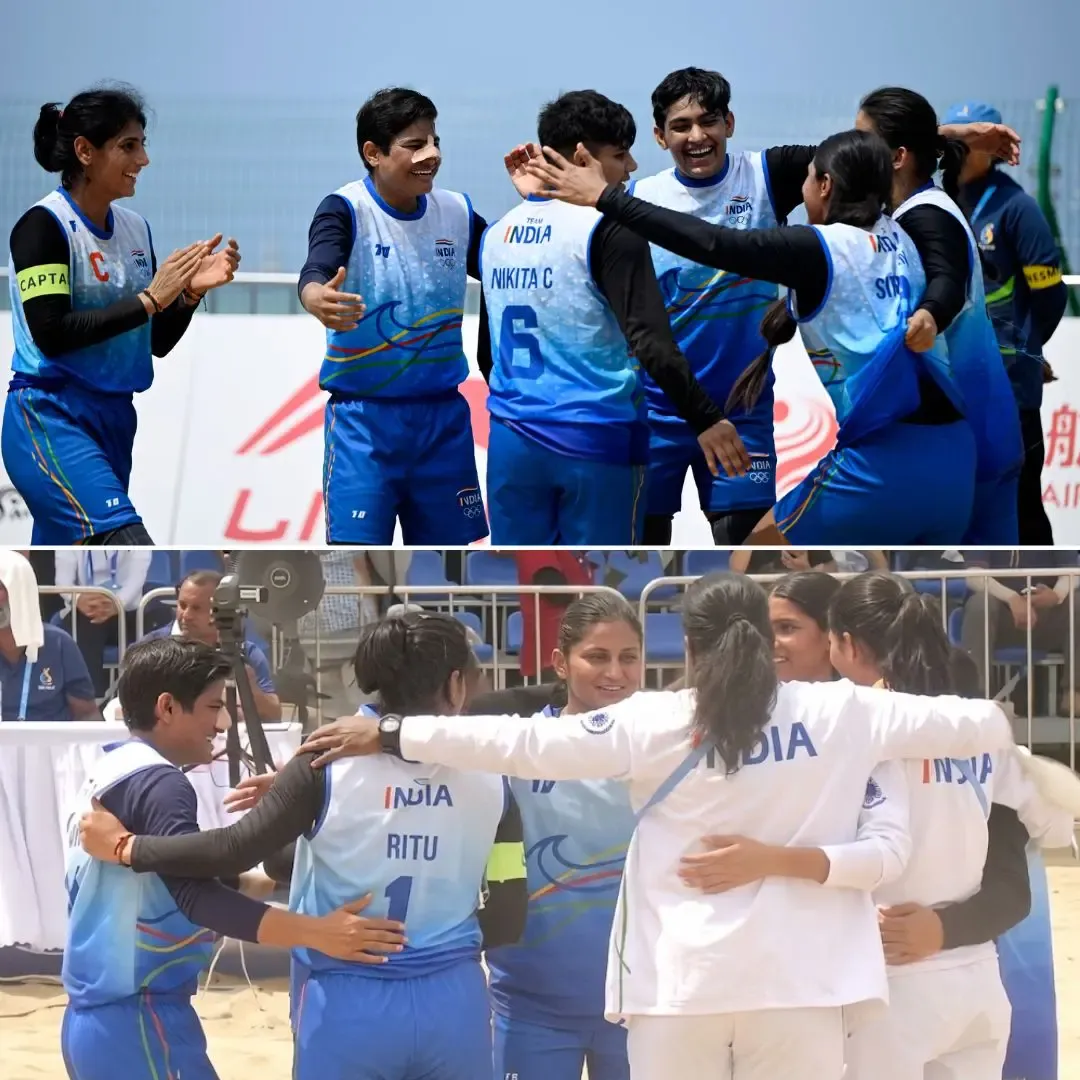
India’s women’s beach kabaddi team delivered a commanding performance at the Asian Beach Games 2026, securing their sixth consecutive gold medal with a decisive 47–31 victory over Sri Lanka in the final. Held in Sanya, the triumph underscores India’s sustained dominance in the sport and highlights the growing strategic importance of niche disciplines within the country’s sports economy. The victory not only reflects athletic excellence but also signals expanding commercial opportunities, increased investor interest, and the long-term viability of emerging sports markets in India.
A Legacy of Dominance
India’s continued supremacy in women’s beach kabaddi has now entered historic territory. Securing a sixth straight gold medal at the Asian Beach Games is a rare feat, underscoring the team’s consistency and competitive edge.
The final against Sri Lanka was marked by tactical precision and physical intensity, with India maintaining control throughout the contest. The 47–31 scoreline reflects a clear gap in execution and experience, reinforcing India’s status as the benchmark nation in the discipline.
Performance Meets Strategy
Behind this sustained success lies a combination of structured training, disciplined execution, and strategic planning. Indian teams have effectively adapted to the unique demands of beach kabaddi, where agility, endurance, and situational awareness are critical.
This level of preparedness is not incidental. It reflects a broader institutional commitment to nurturing talent and maintaining competitive standards, ensuring that dominance is not only achieved but systematically sustained.
The Business Case for Niche Sports
While mainstream sports continue to dominate headlines, disciplines like beach kabaddi are steadily carving out their own commercial space. India’s consistent success enhances the sport’s marketability, making it increasingly attractive to sponsors and broadcasters.
From a financial perspective, niche sports offer high-growth potential with relatively lower investment thresholds. As visibility improves, these sports can unlock new revenue streams through media rights, brand partnerships, and grassroots engagement initiatives.
Economic Implications and Market Expansion
India’s winning streak contributes to the broader expansion of its sports economy. Success on international platforms often translates into increased funding, corporate sponsorships, and enhanced brand equity.
Moreover, sustained dominance helps build a loyal fan base, which is critical for long-term monetization. The ripple effect extends to local economies as well, encouraging infrastructure development and creating employment opportunities within the sports ecosystem.
Conclusion: A Model for Sustainable Success
India’s sixth consecutive gold medal in women’s beach kabaddi is more than a sporting achievement—it is a reflection of a well-aligned system that combines talent, investment, and vision.
As the country continues to diversify its sporting ambitions, this success story offers a blueprint for other disciplines. With the right balance of institutional support and commercial strategy, India is well-positioned to transform consistent victories into enduring economic and global influence.
Comments