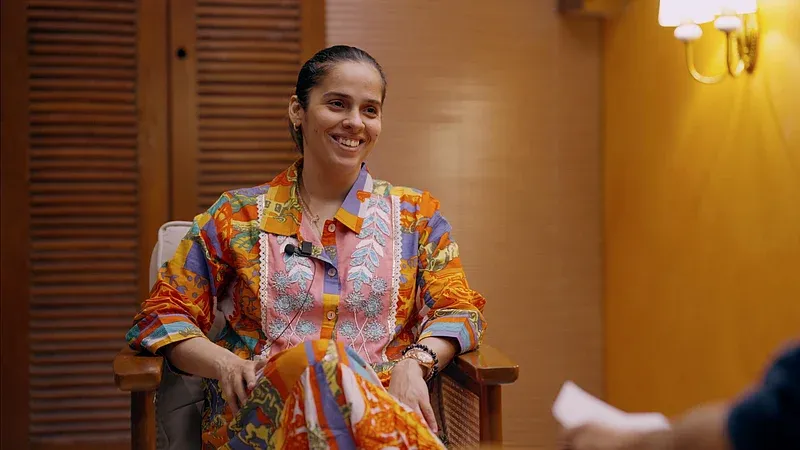
India’s rise in global badminton has been significantly influenced by the competitive synergy between Saina Nehwal and PV Sindhu. Reflecting on their rivalry, Nehwal credited Sindhu for pushing her to elevate her performance, creating a mutually beneficial dynamic that defined a golden era for the sport. Their encounters, marked by endurance, attacking precision, and mental resilience, not only enhanced their individual careers but also strengthened India’s global standing. Beyond sporting success, their rivalry contributed to the commercial growth and institutional recognition of badminton in India, illustrating how internal competition can drive excellence and long-term value in professional sport.
A Rivalry That Transformed Indian Badminton
The competitive relationship between Saina Nehwal and P. V. Sindhu stands as a defining chapter in India’s sporting narrative. Over the years, their rivalry has not only captivated audiences but also elevated the standards of performance within the sport.
Speaking on an episode of I.I.M.U.N.’s “Before I Became Me,” Nehwal emphasized the reciprocal nature of their growth. She highlighted that both athletes possessed similar strengths, including strong rallying ability and powerful attacking play, enabling them to compete in high-intensity matches.
Competitive Synergy as a Performance Driver
In elite sports, internal competition often acts as a catalyst for excellence. Nehwal’s remarks underscore how consistent rivalry with a high-caliber opponent can sharpen skills and enhance tactical awareness.
Their matches demanded peak physical conditioning and mental toughness, pushing both players to refine their game continuously. This dynamic aligns with broader performance principles, where competition within a system drives innovation, adaptability, and sustained improvement.
Building a Golden Era for the Sport
The Nehwal-Sindhu rivalry coincided with a period of unprecedented success for Indian badminton. Their achievements on the international stage brought increased visibility and credibility to the sport, attracting sponsorships and expanding its audience base.
From a financial perspective, such rivalries significantly enhance a sport’s marketability. Increased viewership and commercial interest translate into greater investment, creating a virtuous cycle that benefits athletes, institutions, and stakeholders alike.
Shared Strengths and Mental Resilience
Nehwal noted that both players excelled in long rallies and possessed the ability to perform under pressure. These attributes are critical in badminton, where matches often hinge on endurance and psychological strength.
Their ability to navigate challenging situations and secure victories in difficult matches reflects a high level of mental resilience. This quality, combined with technical proficiency, defined their success and set benchmarks for future generations.
Lessons for India’s Sporting Ecosystem
The rivalry offers valuable insights for the broader sports ecosystem in India. Encouraging healthy competition among athletes can significantly enhance overall performance standards.
Investments in infrastructure, coaching, and exposure are essential, but fostering competitive environments within training systems can amplify these efforts. The Nehwal-Sindhu dynamic demonstrates how internal rivalry can contribute to both individual excellence and collective progress.
Conclusion: A Legacy Beyond Competition
Saina Nehwal’s acknowledgment of PV Sindhu’s influence reflects a mature perspective on competition—one that values mutual growth over individual dominance. Their rivalry was not merely about winning matches but about raising the bar for Indian badminton.
As the sport continues to evolve, their legacy will remain a benchmark for excellence. It serves as a reminder that in professional sport, the strongest competitors often become the greatest catalysts for each other’s success.
Comments