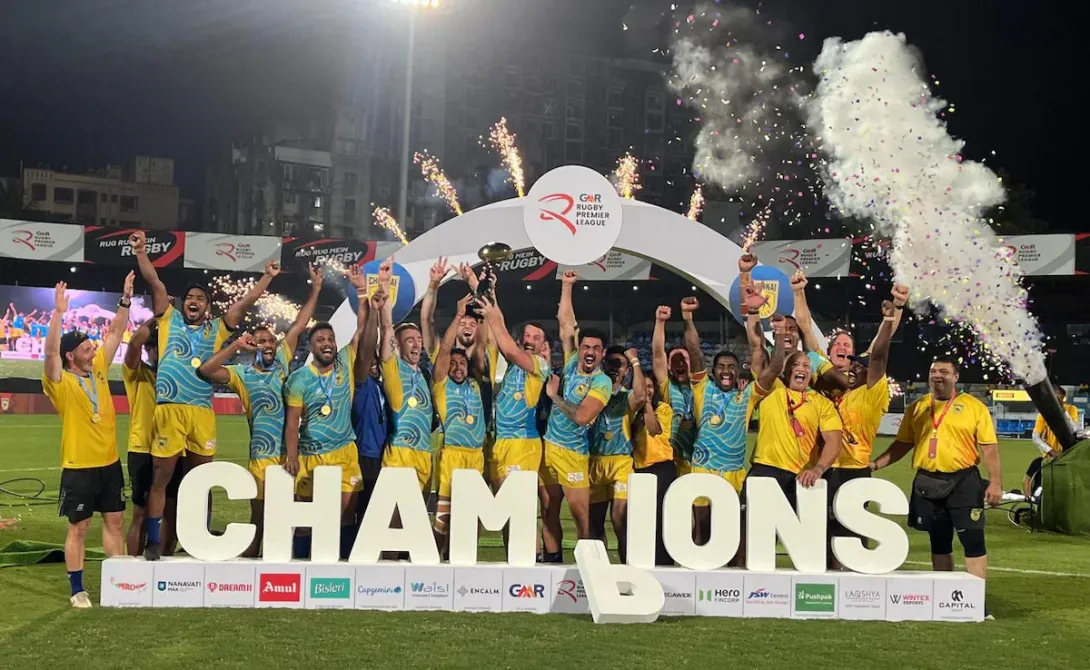
Rugby India has confirmed that the second edition of the Rugby Premier League will be staged from June 16 to 28, 2026, at Gachibowli Stadium. Building on a successful inaugural season in Mumbai, the league will continue in the dynamic Rugby 7s format, featuring six returning franchises. The tournament is designed to elevate India’s rugby ecosystem by integrating domestic and international talent while enhancing commercial viability. As investment in non-cricket sports accelerates, the league represents a calculated effort to expand India’s global sporting footprint.
Strategic Expansion of Rugby in India
The decision by Rugby India to host the second edition of the Rugby Premier League in Hyderabad underscores a broader strategy to geographically diversify the sport’s reach. By moving beyond Mumbai, the governing body is targeting emerging urban markets with growing infrastructure and audience potential.
This expansion reflects a structured approach to scaling rugby’s presence in India, aligning with long-term objectives of increasing participation and building a sustainable фан base.
Continuity and Stability Through Franchise Model
Retaining the six franchises from the inaugural edition signals continuity and operational stability. In professional sports leagues, consistency in team participation is critical for building brand identity, fostering fan loyalty, and attracting sponsorship commitments.
The franchise-based model also enables structured investment, allowing stakeholders to develop long-term strategies around player acquisition, marketing, and коммерческий partnerships.
Rugby 7s: A Format Designed for Modern Audiences
The Rugby Premier League’s adoption of the Rugby 7s format is a strategic choice aimed at maximizing audience engagement. With shorter match durations and high-intensity gameplay, the format is well-suited for television and digital consumption.
From a financial perspective, this enhances monetization opportunities through increased broadcast slots, advertising integration, and sponsorship visibility—key drivers of revenue in contemporary sports leagues.
Commercial Potential and Market Positioning
India’s sports market has historically been dominated by cricket, but leagues like the Rugby Premier League are gradually diversifying the landscape. The inclusion of international players adds credibility and global appeal, making the league more attractive to investors and sponsors.
As the tournament matures, it is likely to unlock new revenue streams, including media rights deals and corporate partnerships. Such developments could position rugby as a viable коммерческий asset within India’s expanding sports economy.
Talent Development and Global Competitiveness
Beyond its commercial objectives, the Rugby Premier League serves as a high-performance platform for Indian players. Competing alongside international athletes accelerates skill development and exposes domestic talent to global standards.
This initiative aligns with Rugby India’s broader vision of enhancing the country’s competitiveness on the world stage, potentially improving rankings and participation in major international events.
Conclusion
The second edition of the Rugby Premier League represents a significant step forward in India’s sporting evolution. By combining strategic planning, commercial foresight, and a commitment to talent development, Rugby India is laying the foundation for a sustainable rugby ecosystem. As the league unfolds in June 2026, it will not only deliver high-energy competition but also reinforce the growing role of diversified sports investments in shaping India’s future sporting economy.
Comments