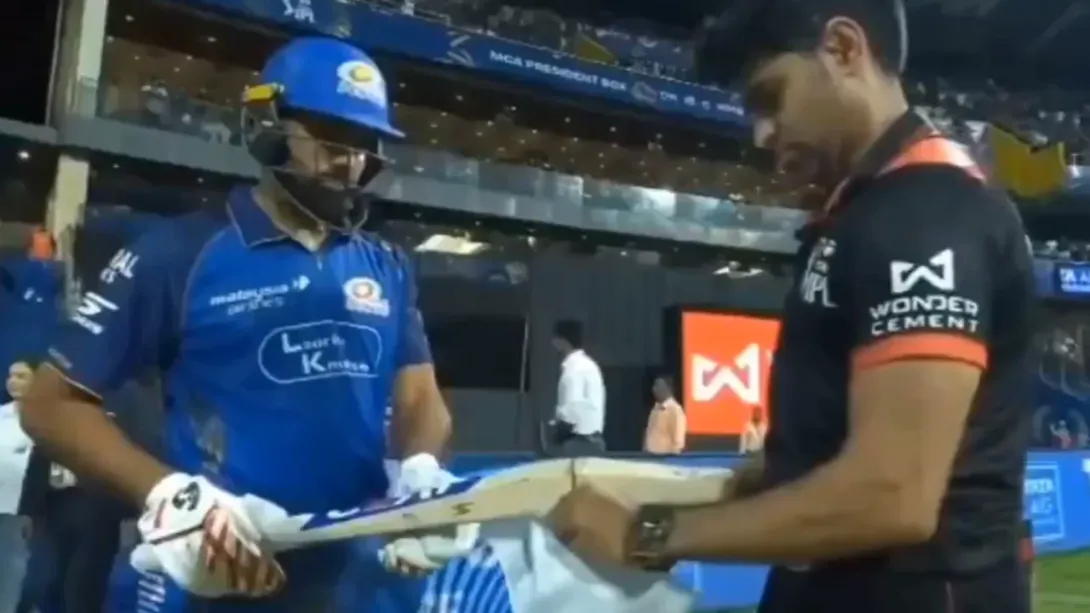
A moment of visible frustration from Rohit Sharma during an Indian Premier League 2026 match has reignited debate around operational efficiency in cricket. The incident, which occurred during a fixture between Mumbai Indians and Royal Challengers Bengaluru at Wankhede Stadium, stemmed from delays in the bat inspection process before the run chase. Sharma’s reaction underscored the importance of seamless match administration in a league valued in billions of rupees (Rs.), where even minor disruptions can affect player focus, game momentum, and the overall broadcast experience.
The Incident: Delay Sparks On-Field Tension
The episode unfolded as Mumbai Indians prepared to begin their innings against Royal Challengers Bengaluru. A routine bat inspection procedure—intended to ensure compliance with equipment regulations—extended longer than expected.
This delay prompted visible irritation from Rohit Sharma, who engaged in a brief but animated exchange with on-field officials. While the situation was eventually resolved, the interruption momentarily disrupted the flow of the game.
Regulatory Framework and Match-Day Protocols
Bat inspections are a standard regulatory requirement in modern cricket, designed to maintain fairness and adherence to equipment specifications. However, the timing and execution of such procedures are critical, particularly in high-pressure T20 environments.
In leagues like the Indian Premier League, where matches are tightly scheduled and broadcast globally, operational delays can have cascading effects—impacting not just players but also television timelines and advertising slots.
Player Psychology and Performance Impact
For elite athletes such as Rohit Sharma, maintaining rhythm and focus is essential, especially at the start of a chase. Interruptions during this phase can disrupt mental preparation and potentially influence performance outcomes.
Sharma’s reaction reflects the broader pressures faced by players operating in a high-stakes, fast-paced format where every moment is strategically significant.
Commercial Stakes and Broadcast Sensitivity
The Indian Premier League functions within a multi-billion rupee (Rs.) commercial ecosystem. Precision in match operations is vital to uphold the league’s reputation as a premium sporting product.
Delays—even procedural ones—can affect broadcast scheduling, reduce viewer engagement, and create inefficiencies in advertising delivery. As such, operational excellence is not merely a logistical concern but a financial imperative.
The Need for Streamlined Processes
The incident highlights an opportunity for cricket authorities to refine match-day protocols. Streamlining inspection procedures, potentially conducting them pre-match or during less critical phases, could minimize disruptions.
Such improvements would enhance the viewing experience while ensuring that regulatory compliance does not come at the cost of game continuity.
Conclusion
Rohit Sharma’s on-field frustration during the clash between Mumbai Indians and Royal Challengers Bengaluru serves as a reminder of the delicate balance between regulation and real-time execution. As the Indian Premier League continues to expand in scale and value, ensuring seamless operational efficiency will remain central to preserving both competitive integrity and commercial success.
Comments