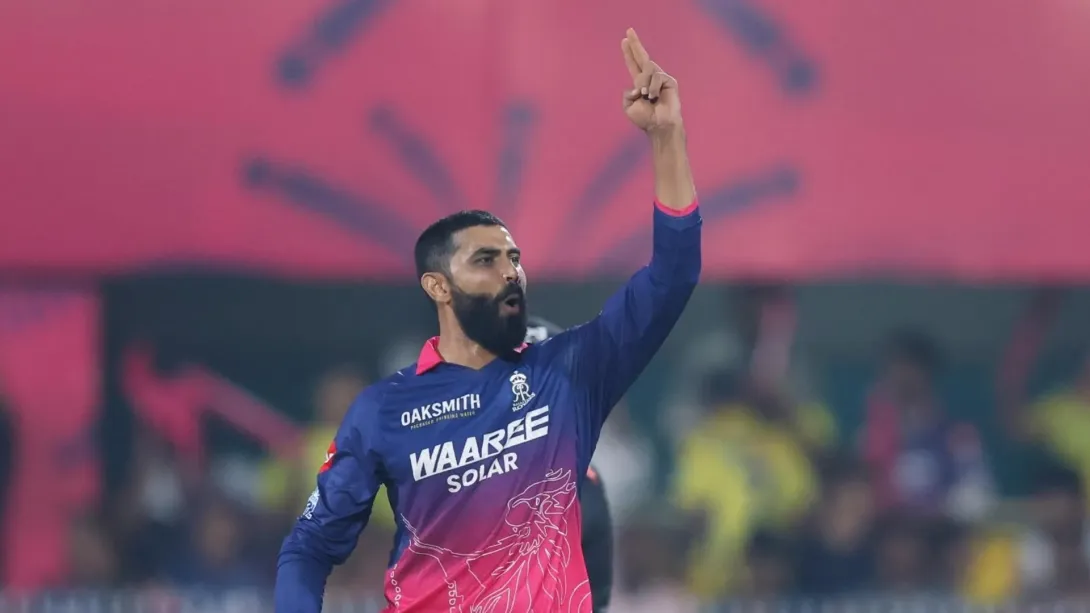
In an enthralling IPL 2026 clash against Chennai Super Kings, Ravindra Jadeja delivered a masterclass in all-round cricket, combining precise bowling, dynamic fielding, and calculated batting to influence the game decisively. His performance reinforced the strategic value of multi-skilled players in the T20 format, highlighting how on-field contributions intersect with franchise economics, brand visibility, and sponsorship potential. Beyond immediate sporting impact, Jadeja’s display exemplifies the modern cricketing marketplace, where player versatility enhances commercial leverage, elevates team valuation, and creates tangible returns on investment for franchises in a high-stakes, Rs.-driven ecosystem.
A Game-Changing Performance
Ravindra Jadeja showcased the quintessential qualities of a modern all-rounder in his match against CSK. From the outset, his bowling exerted control over scoring rates, while his athletic fielding created critical breakthroughs. With the bat, Jadeja combined risk management with aggressive shot selection to accelerate the innings at decisive moments.
This dual impact not only shifted momentum but also underscored the strategic advantage of having versatile players capable of influencing multiple phases of a T20 contest. Analysts noted that such performances reflect careful preparation, situational awareness, and high cricketing intelligence.
Strategic Significance for the Franchise
Franchises increasingly prioritize all-rounders like Jadeja for their capacity to maximize flexibility in team composition. His ability to contribute across batting, bowling, and fielding provides options for optimizing squad deployment in powerplays, middle overs, and death overs.
From a financial perspective, multi-skilled players generate measurable commercial value. High-impact performances boost merchandise sales, digital engagement, and sponsor visibility, translating athletic output directly into Rs.-driven returns. For a franchise investing several Rs. crore in marquee talent, on-field efficacy is closely linked with off-field revenue potential.
Commercial and Market Implications
Jadeja’s display reinforces the symbiotic relationship between performance and commercial appeal in the IPL ecosystem. Star players drive fan engagement, attract sponsorship deals, and elevate broadcast ratings. Each match-winning contribution strengthens a franchise’s brand equity and can justify higher future investments or contract renewals.
For sponsors and investors, the economic effect of elite performers extends beyond immediate match outcomes, influencing long-term valuation, partnership opportunities, and audience loyalty. In this context, Jadeja’s multifaceted impact exemplifies the intersection of sporting excellence and strategic business planning.
Tactical Insights from the Match
The encounter against CSK also offered lessons in contemporary T20 strategy. Jadeja demonstrated the importance of rotational strike management, precision in death-over execution, and situational bowling variations. Fielding placements and on-field adaptability showcased a data-informed, analytical approach increasingly characteristic of successful IPL campaigns.
Franchises can draw insights from such high-caliber performances, using player versatility and tactical intelligence to guide recruitment, training, and in-game decision-making processes.
Conclusion: Performance Meets Commercial Value
Ravindra Jadeja’s all-round excellence against Chennai Super Kings in IPL 2026 illustrates how individual brilliance drives both sporting success and financial returns.
For franchises, such contributions reinforce competitive prospects and enhance commercial visibility. For investors, sponsors, and analysts, Jadeja’s impact highlights the modern IPL paradigm, where multi-skilled talent translates into tangible market advantages, demonstrating that performance, versatility, and economic potential are intrinsically linked in contemporary T20 cricket.
Comments