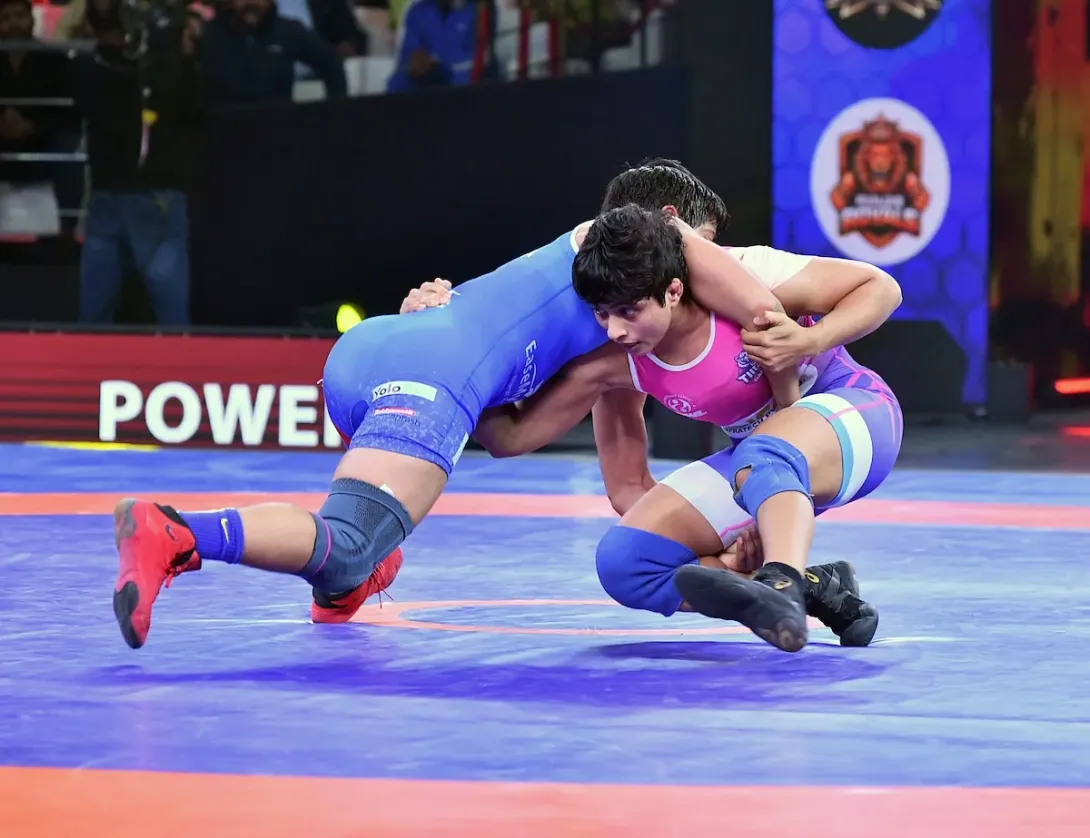
The revival of the Professional Wrestling League (PWL) has begun to yield tangible results for Indian wrestling, with Season 5 athletes playing a pivotal role in the country’s recent international success. At the Senior Asian Wrestling Championships, PWL-affiliated wrestlers secured 11 of India’s 17 medals, highlighting the league’s growing influence on elite performance. This trend underscores the importance of structured domestic competition in preparing athletes for global challenges. As India strengthens its wrestling ecosystem, the PWL is emerging as a key driver of performance excellence, commercial growth, and long-term sustainability in the sport.
League Revival Reshapes Competitive Landscape
The return of the Professional Wrestling League earlier this year has reintroduced a high-performance domestic platform that is rapidly influencing India’s international wrestling outcomes.
Designed to simulate global competitive conditions, the league provides wrestlers with exposure to diverse techniques, high-pressure scenarios, and elite-level match intensity. This environment is increasingly proving critical in bridging the gap between domestic preparation and international success.
Medal Contribution Highlights Direct Impact
The league’s effectiveness is clearly reflected in India’s performance at the Senior Asian Wrestling Championships. Wrestlers associated with the PWL accounted for 11 of the country’s 17 medals, a dominant share that signals a strong correlation between league participation and podium finishes.
Such outcomes indicate that athletes competing regularly in structured, high-quality domestic tournaments are better equipped to handle the tactical and physical demands of international events.
Strengthening the High-Performance Ecosystem
Beyond immediate results, the PWL is contributing to the broader evolution of India’s wrestling infrastructure. By integrating professional management, advanced coaching, and competitive incentives, the league is fostering a more robust high-performance ecosystem.
This model enables emerging talent to transition more effectively into elite competition while also facilitating knowledge exchange through interactions with international wrestlers and coaching staff.
Commercial Upside and Market Expansion
From a financial perspective, the league’s resurgence carries meaningful commercial implications. Enhanced performance at international events increases the sport’s visibility, attracting sponsorships, media rights deals, and brand partnerships.
For investors and corporate stakeholders, the PWL represents a scalable platform within India’s expanding sports economy. Improved athlete performance not only drives fan engagement but also strengthens the league’s long-term revenue potential.
Strategic Outlook: Sustaining Momentum
While the initial results are encouraging, sustaining this momentum will require consistent league operations, expanded grassroots development, and continued investment in training infrastructure.
Policymakers and sports administrators must ensure that the league remains integrated into India’s long-term wrestling strategy, rather than functioning as a short-term initiative.
Conclusion
The Professional Wrestling League’s return has already begun to redefine India’s wrestling narrative, translating domestic competition into measurable international success. With a majority of medals at a major continental event coming from league-affiliated athletes, the evidence is compelling. As India aims to consolidate its status as a global wrestling powerhouse, the PWL stands as both a catalyst for immediate results and a foundation for sustained excellence.
Comments