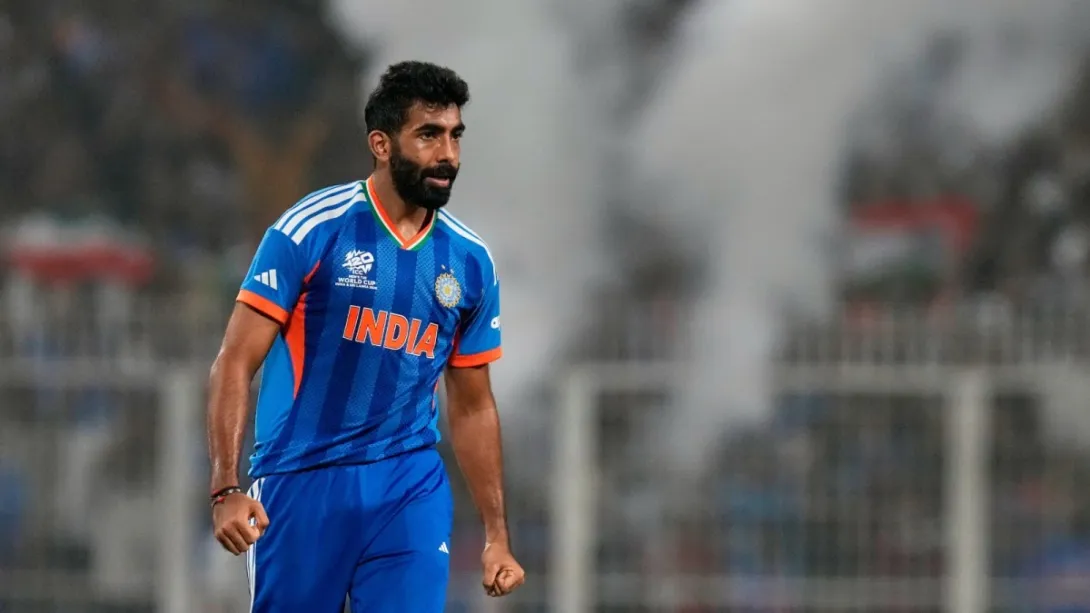
India has announced a formidable squad for the men's T20 cricket competition at the 2026 Asian Games, underlining its determination to compete for top honors on the continental stage. The selection sees premier fast bowler Jasprit Bumrah return to the T20 setup after being rested for upcoming overseas assignments, while newly appointed captain Shreyas Iyer assumes leadership responsibilities in a major international tournament. The squad blends experienced campaigners with emerging talents, including teenage sensation Vaibhav Sooryavanshi. The decision reflects India's broader strategy of balancing player workload management, leadership development and long-term preparation for future global events.
India Signals Serious Asian Games Intent With Full-Strength T20 Squad
India has reinforced its commitment to international cricket success by naming a strong and balanced squad for the men's T20 competition at the 2026 Asian Games in Japan. The selection reflects the country's growing emphasis on maintaining competitive excellence across formats while simultaneously nurturing the next generation of cricketing talent.
With the tournament scheduled between September and October, the squad announcement has generated significant interest among cricket followers, particularly due to the return of several key players and the emergence of new leadership dynamics within the T20 setup.
The composition of the team suggests that selectors view the Asian Games as an important international assignment rather than a secondary tournament.
Jasprit Bumrah Returns to Strengthen India's Bowling Attack
One of the most notable developments is the inclusion of Jasprit Bumrah, widely regarded as one of the world's premier fast bowlers.
Bumrah had been rested from India's T20 assignments in Ireland and England as part of a workload management strategy designed to prioritize longer-format commitments and preparations for future ICC tournaments. However, selectors have opted to bring him back into the squad for the Asian Games, highlighting the importance attached to the competition.
His presence significantly enhances India's bowling resources, providing both experience and match-winning capability. Known for his ability to deliver under pressure, Bumrah's return offers India a proven weapon in crucial tournament situations.
The decision also demonstrates the management's confidence in utilizing key players strategically throughout an increasingly demanding international calendar.
Shreyas Iyer Begins His Captaincy Journey
The Asian Games will mark an important milestone in the leadership career of Shreyas Iyer, who has been entrusted with guiding India's T20 side.
Iyer's appointment reflects the selectors' long-term vision of building a stable leadership structure while ensuring continuity within the squad. His tactical awareness, calm temperament and experience in high-pressure matches have positioned him as a natural candidate to lead the team during a period of transition.
Tilak Varma has been named vice-captain, signaling confidence in another young player expected to play a significant role in India's future plans.
Together, the leadership duo represents a blend of current performance and future potential, a combination that could shape India's T20 strategy for years to come.
Emerging Talent Continues to Capture Attention
A defining feature of Indian cricket's recent success has been its ability to consistently produce world-class talent, and the latest squad selection reinforces that trend.
Fifteen-year-old batting prodigy Vaibhav Sooryavanshi has earned a place in the squad, highlighting the confidence selectors have in his remarkable abilities. His inclusion alongside established players such as Sanju Samson, Abhishek Sharma and Ishan Kishan provides India with impressive depth in the batting department.
The presence of young players in major international tournaments serves a dual purpose. It allows emerging talent to gain invaluable experience while also strengthening the country's long-term player development pipeline.
Such strategic integration of youth and experience has become a hallmark of India's modern cricket structure.
Scheduling Challenges Reflect India's Cricketing Depth
The Asian Games will take place during a particularly busy period for Indian cricket.
The tournament overlaps with India's ODI series against the West Indies, creating logistical challenges that would test the depth of most international teams. Shortly after the conclusion of the Asian Games, India is also scheduled to participate in a five-match T20 series.
Managing multiple international commitments simultaneously requires a robust talent pool and effective succession planning. The ability to field competitive squads across overlapping assignments reflects the strength of India's domestic cricket system and talent identification programs.
This depth has become one of India's most significant competitive advantages in the global cricket landscape.
More Than a Medal Opportunity
While winning a gold medal remains a key objective, the Asian Games represent a broader strategic opportunity for Indian cricket.
The tournament provides a platform to evaluate leadership capabilities, assess emerging players in high-pressure situations and refine combinations ahead of future international competitions. Every match will offer valuable insights for selectors and team management as they continue shaping India's next generation of T20 stars.
With a squad featuring elite performers, promising youngsters and a new leadership structure, India enters the Asian Games as one of the strongest contenders. The selection reflects not only an ambition to succeed in Japan but also a broader vision aimed at sustaining excellence across the international cricket landscape in the years ahead.
Comments