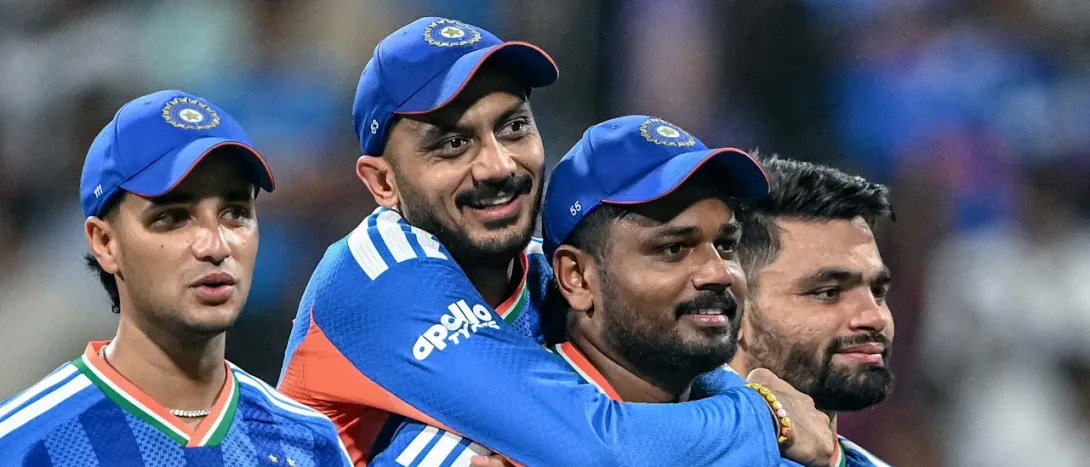
Former India head coach Ravi Shastri has identified Sanju Samson as a strong contender for India’s future T20I captaincy, reflecting the batter’s growing influence within the national setup. Shastri’s comments follow India’s triumphant ICC Men’s T20 World Cup campaign under Suryakumar Yadav, during which Samson delivered standout performances and earned the Aramco Player of the Tournament award. The endorsement has intensified discussions around India’s long-term leadership transition in white-ball cricket as selectors evaluate the next generation of captains. Samson’s recent consistency, composure under pressure, and tactical maturity have elevated his profile, positioning him as a serious leadership option in India’s evolving T20 structure.
Ravi Shastri Highlights Sanju Samson’s Leadership Potential
Ravi Shastri has added significant weight to the ongoing conversation surrounding India’s future T20 leadership by backing Sanju Samson as a possible captaincy candidate.
The former India coach praised Samson’s development in recent months, suggesting that the wicketkeeper-batter has evolved into a mature and dependable figure capable of handling greater responsibility within the national team.
Shastri’s remarks come during a period of transition in Indian white-ball cricket, where selectors and team management are actively assessing long-term leadership combinations ahead of future ICC tournaments.
His endorsement is particularly notable given his extensive involvement in shaping India’s modern cricketing structure during his tenure as head coach.
Samson’s Transformation Strengthening His Reputation
Sanju Samson’s emergence as a leadership prospect reflects a broader transformation in his cricketing career.
For several years, Samson was regarded as one of Indian cricket’s most gifted yet inconsistent talents — a player admired for technical elegance and natural stroke-making ability but often criticized for failing to convert promise into sustained performances at the international level.
That narrative, however, has shifted considerably over the past year.
The Kerala batter has demonstrated improved consistency, composure, and tactical awareness, particularly during high-pressure situations. His performances during India’s successful ICC Men’s T20 World Cup campaign further reinforced the perception that he has matured into a more complete cricketer.
Samson’s recognition as Aramco Player of the Tournament highlighted not only his batting contributions but also his growing ability to influence matches during crucial moments.
India’s Leadership Planning Entering New Phase
India’s T20 leadership structure continues to evolve following the recent World Cup triumph under Suryakumar Yadav.
While Suryakumar’s successful campaign strengthened his standing within the national setup, Indian cricket’s increasingly demanding international calendar has encouraged selectors to explore broader leadership depth across formats.
Modern cricket places enormous physical and mental demands on captains, particularly in T20 cricket where tactical decisions must be made rapidly under constant pressure.
As a result, national teams are increasingly developing multiple leadership options capable of rotating across bilateral series and major tournaments.
Within that context, Samson’s rise offers India an additional strategic option as the team prepares for its next competitive cycle.
Tactical Maturity Becoming Key Leadership Asset
One of the primary reasons behind growing support for Samson’s leadership credentials is his noticeable improvement in tactical maturity.
Observers have pointed out that Samson now appears more composed in pacing innings, reading match situations, and managing pressure — attributes essential for leadership at the international level.
In contemporary T20 cricket, captaincy extends far beyond traditional field placements. The role increasingly demands emotional intelligence, adaptability, communication skills, and the ability to maintain clarity during rapidly changing game situations.
Samson’s calm demeanor and measured approach on the field have strengthened perceptions that he possesses the temperament required for modern leadership responsibilities.
Cricket analysts also note that players who lead through composure rather than outward aggression often create stability within younger squads.
IPL Experience Enhancing Leadership Credentials
Samson’s leadership development has also been shaped significantly by his experiences in franchise cricket, particularly the IPL.
The tournament has evolved into one of the most sophisticated tactical competitions in global sport, requiring captains to balance analytics, player management, media expectations, and real-time strategic adjustments.
Such exposure has accelerated the leadership growth of several modern cricketers, and Samson appears to have benefited considerably from that environment.
His ability to balance personal performance with broader team responsibilities has improved noticeably, while his decision-making under pressure has earned increasing respect within cricketing circles.
The IPL’s influence on international leadership pathways continues to grow, making Samson’s franchise experience an important factor in evaluating his captaincy readiness.
Suryakumar Yadav Remains Central Figure in T20 Setup
Despite the conversation surrounding Samson, Suryakumar Yadav remains one of the most influential figures in India’s T20 structure.
His leadership during India’s recent World Cup success enhanced his reputation as both a tactically proactive captain and one of the format’s most innovative batters.
However, Indian cricket’s broader planning strategy increasingly appears focused on developing leadership depth rather than depending exclusively on one individual.
This multi-captaincy approach has become increasingly common in international cricket as teams attempt to manage workload, maintain flexibility, and prepare for long-term succession planning.
Samson’s emergence therefore complements rather than threatens the current leadership hierarchy.
Ravi Shastri’s Endorsement Carries Strategic Significance
Ravi Shastri’s comments are unlikely to be dismissed as casual praise given his deep understanding of Indian cricket’s internal culture and leadership demands.
Throughout his coaching tenure, Shastri worked closely with some of India’s most influential modern captains and was directly involved in shaping leadership dynamics across formats.
His public support for Samson suggests growing confidence within cricketing circles that the batter possesses the personality, composure, and cricketing intelligence necessary for higher responsibility.
In elite sport, endorsements from respected former coaches often influence broader public perception and contribute to long-term leadership discussions within team management structures.
Samson’s Rise Reflects Persistence and Reinvention
Perhaps the most compelling aspect of Samson’s journey is the persistence underlying his resurgence.
After years of fluctuating opportunities and criticism regarding inconsistency, the batter has gradually rebuilt his reputation through disciplined performances and improved game awareness.
His evolution now reflects not simply talent, but adaptability and emotional resilience — qualities that often separate successful international leaders from gifted players.
As India prepares for the next phase of its T20 journey, Samson’s emergence as a captaincy candidate symbolizes the broader transition underway within Indian cricket.
Whether he eventually assumes the role or not, his transformation from enigmatic talent to serious leadership contender represents one of the most significant personal success stories in India’s current cricketing landscape.
Comments