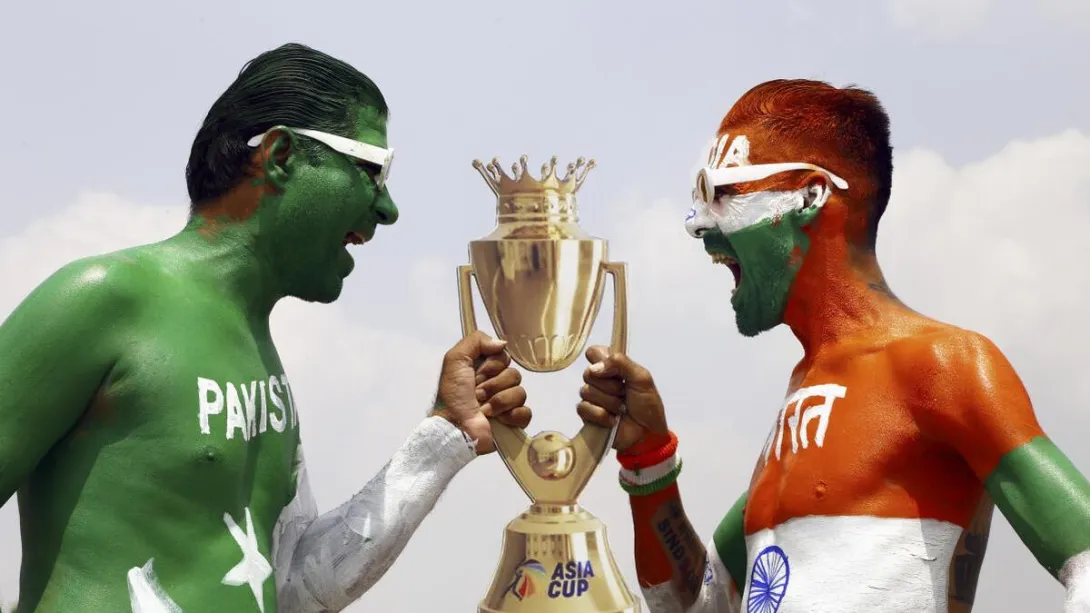
India’s Sports Ministry has reiterated that the suspension of bilateral sporting engagements with Pakistan will continue, even as it permits participation by Pakistani athletes in multilateral events hosted domestically. The announcement reflects a strategic policy that separates diplomatic tensions from international sporting commitments. While direct series remain off the calendar, India’s willingness to host global competitions with inclusive participation safeguards its credibility within the international sports ecosystem. The decision carries broader implications for sports diplomacy, revenue generation, and India’s positioning as a reliable host nation in an increasingly interconnected global sporting economy.
Policy Reaffirmed Amid Persistent Tensions
In a statement issued Wednesday, the Sports Ministry confirmed that the blanket ban on bilateral sporting ties with Pakistan, first implemented last year, remains firmly in place. The directive effectively halts all one-on-one sporting engagements between the two nations, reflecting the continuation of a cautious diplomatic stance.
Historically, bilateral contests—particularly in cricket—have commanded massive audiences and generated significant commercial value. Their absence has reshaped the sporting calendar and diminished one of the region’s most lucrative sporting rivalries.
Multilateral Participation Remains Unrestricted
Despite the ongoing freeze, the ministry clarified that athletes from Pakistan will be allowed to compete in international tournaments आयोजित in India, provided these events are governed by global sporting bodies.
This approach aligns with the principles upheld by organizations such as the International Olympic Committee, which mandate non-discriminatory access for all qualified participants. Ensuring compliance with these norms is critical for India to maintain its eligibility to host prestigious global competitions.
Diplomacy Meets Sporting Governance
The dual-track policy underscores India’s attempt to balance geopolitical considerations with institutional responsibilities. By maintaining the bilateral ban, the government reinforces its diplomatic position. Simultaneously, by allowing multilateral participation, it demonstrates adherence to international sporting conventions.
From a governance perspective, this calibrated approach minimizes the risk of sanctions or reputational setbacks that could arise from restricting athlete participation in global events.
Economic Trade-Offs and Opportunities
The suspension of bilateral sporting ties carries measurable economic implications. High-profile matches between India and Pakistan have historically driven substantial revenues through broadcasting rights, sponsorship agreements, and ticket sales.
However, India’s continued engagement with multilateral tournaments offers alternative financial avenues. Hosting international events attracts global sponsors, boosts tourism, and enhances infrastructure investment—helping offset the revenue shortfall created by the absence of bilateral contests.
Strategic Positioning in Global Sport
The Sports Ministry’s stance reflects a broader strategic vision: to uphold national interests without compromising international credibility. By distinguishing between bilateral politics and multilateral obligations, India positions itself as a responsible and dependable stakeholder in the global sports arena.
As international sports increasingly emphasize inclusivity and cooperation, this policy framework may serve as a model for navigating complex geopolitical realities while preserving the integrity and continuity of competition.
Comments