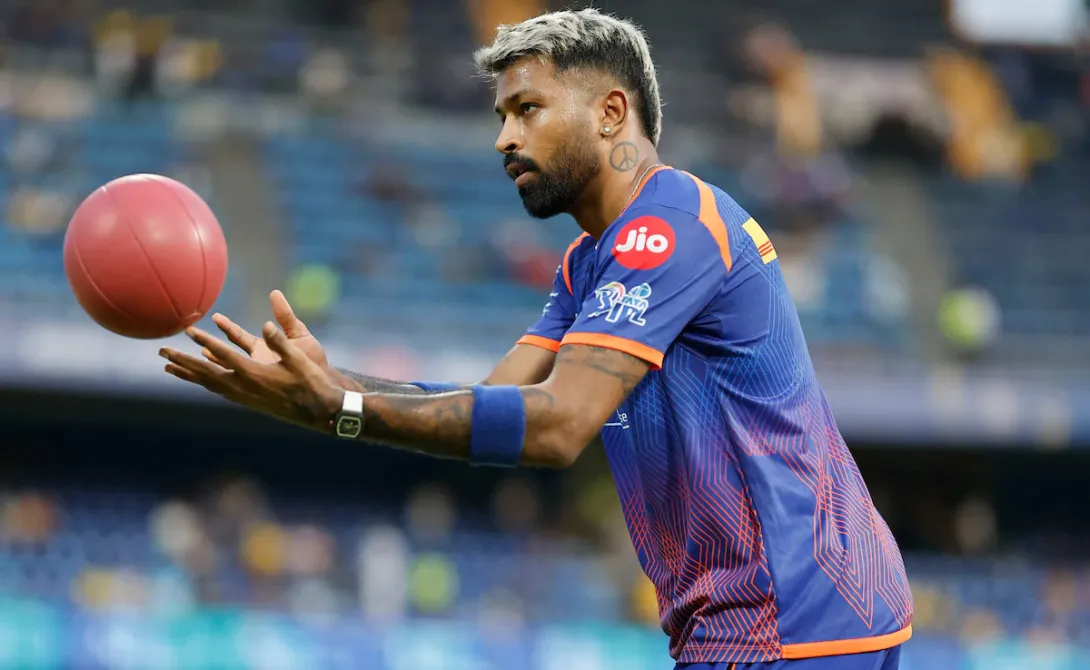
Mumbai Indians triggered widespread surprise ahead of their Indian Premier League 2026 fixture against Lucknow Super Giants when Suryakumar Yadav stepped out for the toss in place of regular captain Hardik Pandya. The abrupt leadership change, reportedly due to injury, exposed gaps in internal communication, with teammate Ryan Rickelton admitting he was informed only hours before the match. The episode underscores the operational complexities of elite franchises, where clarity, timing, and leadership continuity are critical to both sporting outcomes and commercial stability.
Unexpected Leadership Shift Before Kickoff
In high-stakes tournaments like the Indian Premier League, predictability in team structure often underpins performance. However, Mumbai Indians disrupted expectations when Suryakumar Yadav assumed captaincy duties at the toss.
The absence of Hardik Pandya—a central figure in the team’s leadership and tactical framework—introduced immediate uncertainty. Such last-minute changes can alter team dynamics, forcing players to adapt without adequate preparation.
Communication Gaps Come to Light
The situation gained further complexity following post-match remarks from Ryan Rickelton, who revealed that he was unaware of Pandya’s injury until the afternoon of the game. This disclosure points to potential lapses in internal communication protocols.
In professional sports organizations, particularly those with significant financial and reputational stakes, timely dissemination of critical information is essential. Any breakdown in communication can impact not only match readiness but also overall team cohesion.
Leadership Depth Tested Under Pressure
The elevation of Suryakumar Yadav to a leadership role at short notice highlights the importance of depth within a squad. While Yadav is widely respected for his cricketing acumen, stepping into captaincy without prior notice demands rapid tactical adjustments and composure under scrutiny.
From a performance standpoint, such transitions test the resilience of both individuals and the broader team structure, particularly in a format as fast-paced as T20 cricket.
Commercial Implications for a Premier Franchise
Franchises like Mumbai Indians operate at the intersection of sport and business, with brand equity closely tied to consistency and star presence. The sudden absence of a marquee player such as Hardik Pandya can influence fan engagement, broadcast narratives, and sponsor visibility.
In a league where commercial valuations often run into multiple crores, maintaining transparency and operational discipline becomes a strategic necessity.
A Moment Reflecting Broader Organizational Challenges
While injuries are an inherent aspect of professional sport, the manner in which teams manage and communicate such developments can define their institutional strength. The events surrounding Mumbai Indians’ pre-match decision serve as a reminder of the importance of robust internal systems.
As the Indian Premier League season unfolds, the franchise will need to reinforce coordination and clarity to ensure that unexpected disruptions do not undermine its competitive and commercial ambitions.
Comments