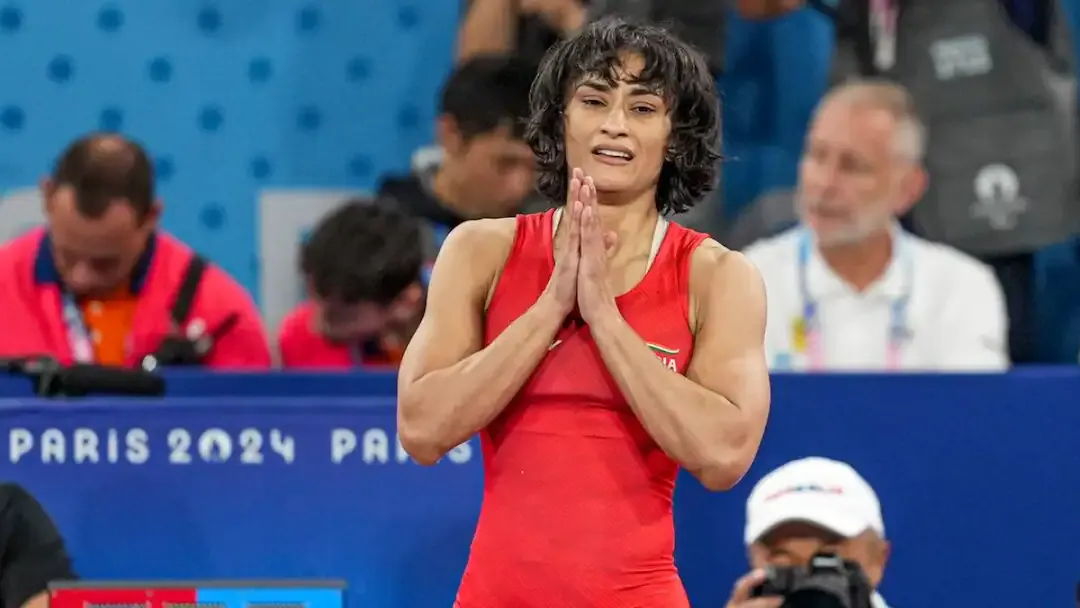
Indian wrestling stalwart Vinesh Phogat has triggered a fresh governance debate after alleging barriers to her competitive return. The Olympic medallist, who stepped away following disappointment at the Paris Olympics, resumed training in December with plans to re-enter the circuit. However, she claims she was unable to register for the forthcoming National Open Ranking Tournament. The episode places the spotlight on processes within the Wrestling Federation of India, raising questions about administrative transparency, athlete access, and the broader economic implications tied to participation and visibility.
Comeback Interrupted by Procedural Hurdles
Vinesh Phogat’s attempted return was expected to signal resilience and a renewed competitive push. After reversing her retirement decision, she re-engaged in structured training with the objective of rebuilding form and ranking.
Her inability to complete registration for a key domestic event has, however, disrupted that trajectory. National ranking tournaments serve as critical gateways for selection, seeding, and international qualification, making access to them essential for any athlete seeking a competitive resurgence.
Administrative Processes Under Scrutiny
The developments have intensified scrutiny of the Wrestling Federation of India’s administrative mechanisms. Questions have emerged around clarity in registration protocols, timelines, and communication—areas that directly affect athlete participation.
In high-performance sport, administrative friction can translate into competitive disadvantage. Ensuring transparent, standardized procedures is fundamental to maintaining credibility and safeguarding athlete interests.
Economic Stakes: Rankings, Sponsorships, and Earnings
Participation gaps carry tangible financial consequences. Competitive appearances drive ranking points, which in turn influence eligibility for higher-tier events, funding allocations, and endorsement opportunities.
For an athlete of Phogat’s stature, reduced visibility can affect sponsorship pipelines and performance-linked incentives. In a market where athlete branding is closely tied to results and exposure, administrative bottlenecks risk eroding both sporting and commercial value.
Systemic Implications for Talent Pathways
Beyond the individual case, the episode underscores systemic challenges in Indian sports governance. Efficient, athlete-centric processes are essential to ensure uninterrupted progression from domestic competition to international platforms.
Reforms such as digitized registrations, clearly defined eligibility criteria, and independent oversight mechanisms could mitigate ambiguity and enhance trust across stakeholders.
Outlook: Need for Clarity and Swift Resolution
The immediate priority lies in establishing a transparent resolution that enables fair participation. A prompt response from the Wrestling Federation of India would be critical in restoring confidence among athletes and sponsors alike.
Over the longer term, aligning governance practices with global best standards will be key to sustaining India’s competitive momentum in wrestling. For Vinesh Phogat, the focus remains on returning to the mat—provided the pathway is clear, consistent, and equitable.
Comments