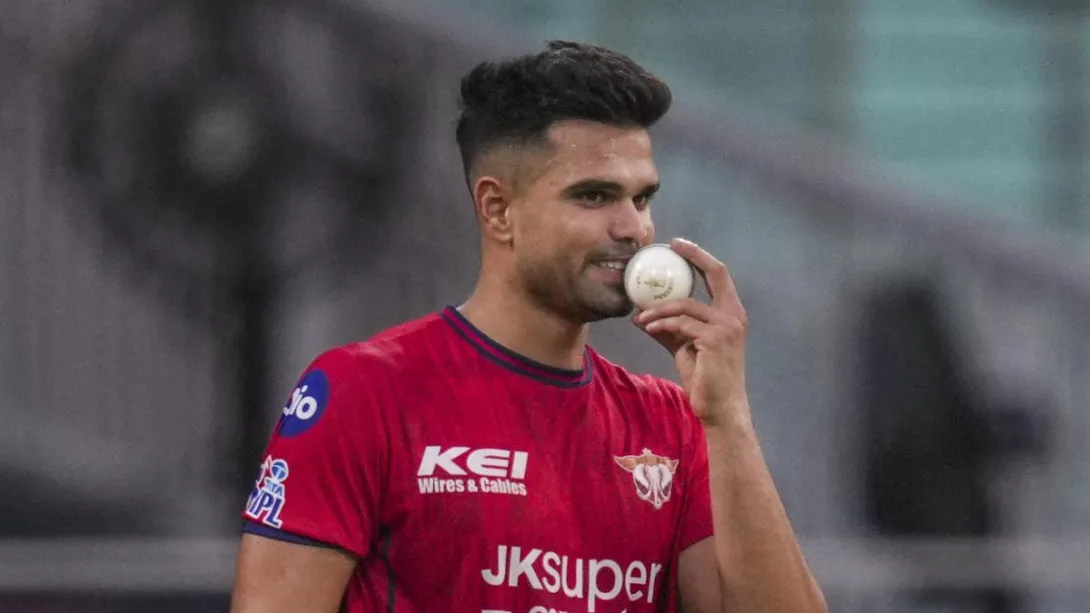
In a move that reflects growing flexibility within India’s domestic cricket structure, Siddhant Addhatrao and Arjun Tendulkar have been approved to enter the auction pool of the T20 Mumbai League. This clearance comes despite their recent representation of Pondicherry and Goa in domestic competitions. The decision signals a broader shift toward a more open, market-driven framework, enabling players to access multiple platforms while enhancing the league’s competitive intensity and commercial appeal.
A Strategic Shift in Eligibility Norms
The inclusion of Siddhant Addhatrao and Arjun Tendulkar in the T20 Mumbai League auction pool marks a notable evolution in domestic cricket governance. Historically, player participation in regional leagues has been closely tied to their primary domestic affiliations.
However, this decision reflects a recalibration of policy priorities—favoring flexibility, player mobility, and broader market participation. Such regulatory adjustments align Indian domestic cricket with global franchise models, where talent circulation is integral to sustaining competitive balance and fan interest.
Expanding Player Mobility and Career Opportunities
For both players, entry into the T20 Mumbai League represents a strategic opportunity to enhance visibility and career progression. Franchise tournaments provide a high-performance environment, offering exposure to competitive intensity, advanced coaching systems, and significant media coverage.
From a human capital perspective, this mobility allows players to diversify their experience, improve skill sets, and increase their market valuation. In an increasingly competitive cricket ecosystem, access to multiple platforms can be a decisive factor in long-term career success.
Commercial Upside for the League
The participation of recognizable players—particularly Arjun Tendulkar—adds a layer of commercial intrigue to the T20 Mumbai League. Franchise-based tournaments thrive on a combination of sporting quality and marketability, and player profiles play a crucial role in driving both.
Higher audience engagement, increased sponsorship interest, and improved broadcast value are likely outcomes of such inclusions. For league organizers and stakeholders, this translates into stronger revenue streams and enhanced brand positioning within India’s crowded cricket calendar.
Balancing Inclusivity with Competitive Integrity
While the decision opens new avenues, it also raises important considerations around competitive fairness. Ensuring that local talent continues to receive opportunities alongside external entrants will be essential for maintaining the league’s developmental objectives.
Administrators must therefore strike a careful balance—leveraging the benefits of inclusivity while safeguarding the integrity and purpose of regional competitions.
Conclusion: Toward a More Dynamic Domestic Ecosystem
The clearance granted to Siddhant Addhatrao and Arjun Tendulkar signals a broader transformation in Indian domestic cricket. By embracing flexibility and market-driven dynamics, the system is evolving to meet the demands of modern sport.
As franchise leagues continue to expand their influence, such policy shifts will play a critical role in shaping the future landscape. For players, teams, and investors alike, this marks a step toward a more interconnected, competitive, and commercially viable cricketing ecosystem.
Comments