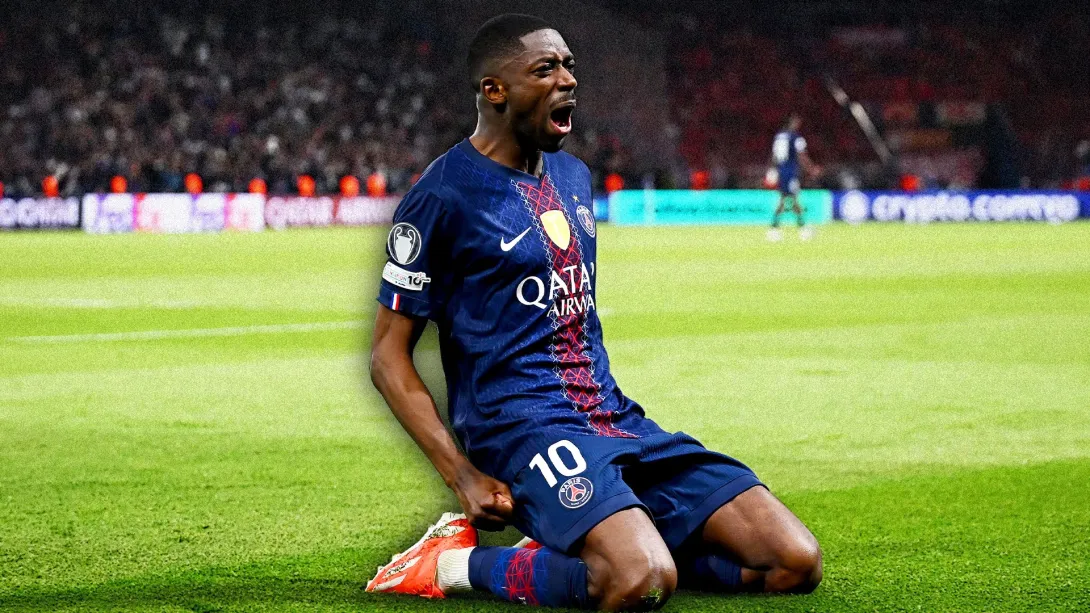
A highly anticipated fixture between Paris Saint-Germain and Bayern Munich transformed into a defining moment of modern football, delivering drama that transcended expectations. Set within the elite framework of the UEFA Champions League, the match illustrated the convergence of tactical brilliance, star power, and commercial magnitude. Beyond the emotional intensity, the contest reinforced the tournament’s position as a global economic engine, driving broadcast revenues, sponsorship valuations, and fan engagement. It was not merely a game, but a showcase of football’s unparalleled capacity to blend sport with spectacle.
A Fixture That Surpassed Expectation
Some matches arrive with anticipation; a rare few redefine it. The encounter between Paris Saint-Germain and Bayern Munich belonged firmly in the latter category. Pre-match narratives centered on intensity and rivalry, yet the unfolding spectacle elevated the contest into something far more consequential.
Such fixtures are emblematic of elite European football, where the stakes extend beyond qualification and into legacy-building. For both clubs, each Champions League outing carries implications for brand positioning, financial returns, and global relevance.
Tactical Sophistication Meets High-Stakes Drama
The match delivered a compelling interplay of contrasting footballing philosophies. Bayern Munich’s disciplined structure and pressing mechanisms collided with PSG’s fluid attacking transitions, producing a contest that oscillated between control and unpredictability.
This level of competition reflects the increasing sophistication of modern football. Clubs invest heavily in analytics, sports science, and tactical innovation, transforming matches into strategic battlegrounds. The result is a product that appeals not only to casual fans but also to analysts and investors tracking performance metrics and efficiency.
The Commercial Power of Elite Football
The UEFA Champions League operates as one of the most lucrative properties in global sport, with revenues running into billions of euros—equivalent to tens of thousands of crores in Rs. terms. Matches featuring marquee clubs like PSG and Bayern Munich significantly amplify these financial dynamics.
Broadcast rights, digital streaming, sponsorship deals, and merchandising all experience heightened activity during such high-profile encounters. For corporate stakeholders, these fixtures represent premium inventory, offering unmatched visibility and audience engagement.
Global Engagement in the Digital Era
One of football’s defining strengths lies in its ability to create shared global experiences. A match of this magnitude transcends geographical boundaries, drawing millions of viewers across continents.
The digital ecosystem further enhances this reach. Real-time social media engagement, live analytics, and post-match content ensure that the narrative extends well beyond the final whistle. This sustained engagement is critical in maintaining the commercial lifecycle of the sport.
Conclusion: A Benchmark for Sporting Excellence
The PSG vs Bayern Munich encounter was more than a contest; it was a demonstration of football’s unique ability to merge competition with entertainment and commerce. It reaffirmed why the UEFA Champions League remains the pinnacle of club football.
For fans, it delivered an unforgettable experience. For the business of sport, it reinforced a powerful truth: at its highest level, football is not just a game—it is a global industry driven by passion, precision, and unparalleled economic impact.
Comments