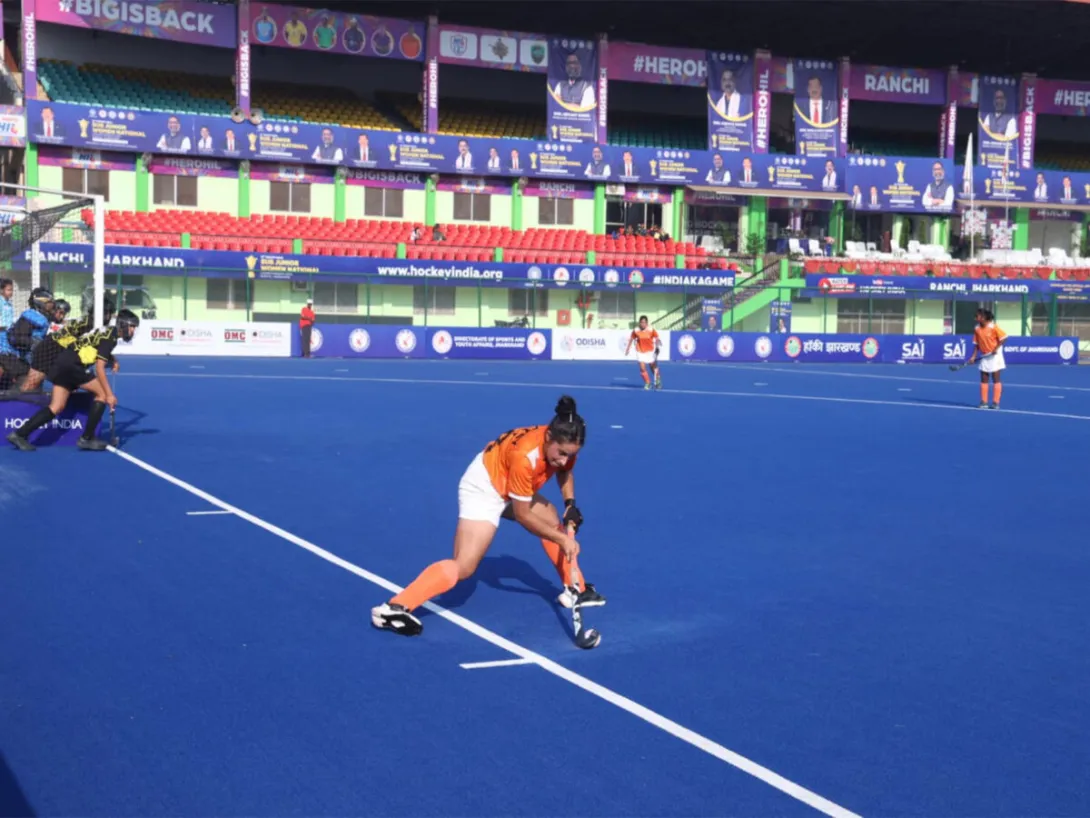
Akshra Dutta, a 16-year-old from the remote border district of Poonch in Jammu and Kashmir, has earned selection to a prestigious national-level hockey training camp, marking a significant milestone in her young career. Her inclusion in Hockey India’s U-18 National Coaching Camp reflects the expanding reach of structured talent identification systems across underserved regions. Hosted at a Sports Authority of India facility in Bhopal, the program underscores the growing institutional focus on grassroots development and the strategic importance of nurturing talent from geographically and economically marginalized areas.
A Breakthrough from the Borderlands
Akshra Dutta’s journey to national recognition is emblematic of a broader transformation within Indian sports. Originating from Poonch—a district located just eight kilometres from the Line of Control—her rise challenges long-standing assumptions about the limitations faced by athletes in conflict-affected and remote regions.
Historically, such areas have struggled with limited access to infrastructure, coaching, and competitive exposure. Akshra’s achievement signals a shift, suggesting that geographic isolation is gradually becoming less of a barrier in the face of targeted outreach and improved scouting mechanisms.
Institutional Pathways and High-Performance Training
Her selection to the U-18 National Coaching Camp organized by Hockey India represents a critical step in the athlete development pipeline. The camp, conducted at a high-performance center operated by the Sports Authority of India in Bhopal, provides access to elite coaching, sports science expertise, and structured competition.
From a developmental standpoint, such camps are instrumental in refining raw talent into professional capability. They also serve as a filtering mechanism, identifying athletes with the potential to represent India on the international stage.
Expanding the Talent Economy
Akshra’s inclusion highlights a significant evolution in India’s sports economy—one that increasingly prioritizes inclusivity and diversification of the talent pool. By integrating athletes from remote and underrepresented regions, governing bodies are effectively expanding the base of competitive talent.
This approach aligns with broader economic principles of human capital optimization. Investments in training, infrastructure, and scouting are not merely expenditures but strategic allocations aimed at maximizing long-term returns, including international success, sponsorship growth, and enhanced brand equity for Indian sports.
Grassroots Development as a Strategic Imperative
The emergence of athletes like Akshra underscores the importance of sustained investment in grassroots programs. Initiatives led by institutions such as the Sports Authority of India are beginning to bridge the gap between rural potential and national opportunity.
However, scalability remains a key challenge. To maintain momentum, policymakers and stakeholders must ensure consistent funding, localized training ecosystems, and community engagement. Such measures will be essential in creating a resilient and inclusive sports framework capable of producing world-class athletes.
Conclusion: Redefining Possibility in Indian Sports
Akshra Dutta’s rise is more than a personal success story—it is a reflection of systemic progress within Indian athletics. Her journey from a border district to a national training camp encapsulates the transformative impact of structured opportunity and institutional support.
As India continues to strengthen its sporting infrastructure, stories like hers offer both validation and inspiration. They demonstrate that with the right investments and vision, talent can emerge from even the most challenging environments, reshaping the narrative of Indian sports on the global stage.
Comments