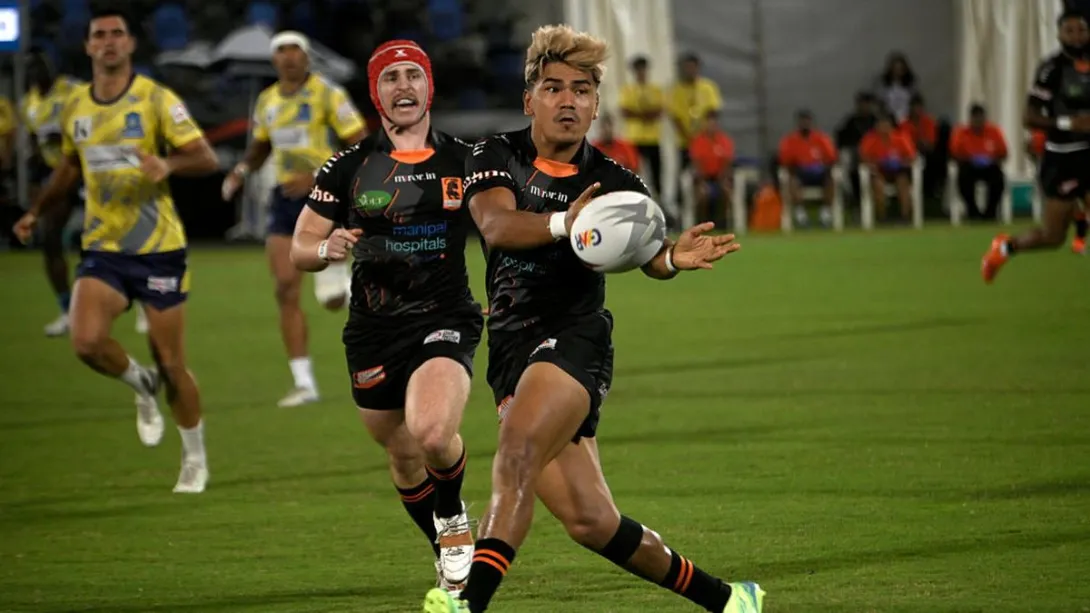
India’s franchise sports model is undergoing a structural shift as leading men’s teams expand into women’s competitions, reflecting rising investor confidence in gender-inclusive sports. Four franchises—Chennai Bulls, Delhi Redz, Mumbai Dreamers, and Kolkata Banga Tigers—are set to field women’s teams, backed by corporate owners such as Dream Sports and RMZ Corp. The move highlights a broader commercialization trend, where women’s sport is emerging as a viable revenue stream, driven by sponsorship demand, media rights expansion, and a rapidly evolving fan base.
A Strategic Expansion Beyond Men’s Leagues
India’s sports franchise ecosystem is entering a more mature phase, marked by diversification into women’s competitions. The decision by Chennai Bulls, Delhi Redz, Mumbai Dreamers, and Kolkata Banga Tigers to establish women’s teams reflects a shift from single-gender operations to integrated sporting entities.
This transition is consistent with global best practices, where multi-team franchise structures have proven effective in maximizing brand equity and operational efficiency. By extending into women’s sport, franchises are not only broadening their competitive footprint but also strengthening their long-term market positioning.
Institutional Capital and Ownership Dynamics
The expansion is underpinned by strong corporate ownership, which is critical for sustainability. Chennai Bulls are backed by Avid Sys Sports, while Delhi Redz operate under RMZ Corp. Mumbai Dreamers benefit from the financial and technological ecosystem of Dream Sports, and Kolkata Banga Tigers are supported by Hunch Ventures.
Such institutional backing ensures access to capital, governance frameworks, and professional management—key factors that have historically been inconsistent in women’s sports development. For investors, this represents a calculated entry into a segment with strong growth potential and improving monetization pathways.
Relocation Strategy and Market Optimization
The evolution of the Kolkata Banga Tigers offers insight into franchise strategy. Previously known as Kalinga Black Tigers and based in Bhubaneswar, the team has relocated to Kolkata, signaling a shift toward a larger, more commercially vibrant market.
Relocation decisions are often driven by audience density, sponsorship opportunities, and infrastructure readiness. Kolkata’s established sporting culture and media visibility make it an attractive hub for franchise expansion, particularly when launching new teams.
Women’s Sport as a Commercial Growth Engine
The inclusion of women’s teams is not merely a developmental initiative—it is a business decision aligned with emerging market trends. Globally, women’s sports are witnessing increased investment, rising broadcast valuations, and growing brand engagement.
In India, this momentum is gaining traction. Integrating women’s teams within existing franchise ecosystems allows for cost efficiencies through shared infrastructure, marketing platforms, and administrative resources. At the same time, it opens new revenue streams through targeted sponsorships and diversified content offerings.
For brands, women’s leagues present an opportunity to connect with new audience segments while aligning with inclusivity-driven narratives.
Economic and Industry-Wide Implications
The expansion into women’s teams is expected to generate ripple effects across the sports economy. Key outcomes may include:
- enhanced sponsorship inventory and advertising opportunities
- increased media rights valuations through expanded content portfolios
- development of a stronger talent pipeline at grassroots and elite levels
- job creation across coaching, operations, and sports management
From a macroeconomic perspective, this trend contributes to the formalization and scaling of India’s sports industry, positioning it as a more inclusive and commercially viable sector.
Conclusion: Toward an Integrated Sports Ecosystem
The move by leading franchises to field women’s teams marks a pivotal shift in Indian sport—one that blends commercial foresight with social progress. By investing in women’s competitions, franchises are not only expanding their business models but also contributing to the long-term sustainability of the sports ecosystem.
As these teams take shape, their success will depend on consistent investment, competitive quality, and effective audience engagement. If executed strategically, this expansion could redefine the economics of Indian sport, transforming women’s leagues into a central pillar of the industry’s growth story.
Comments