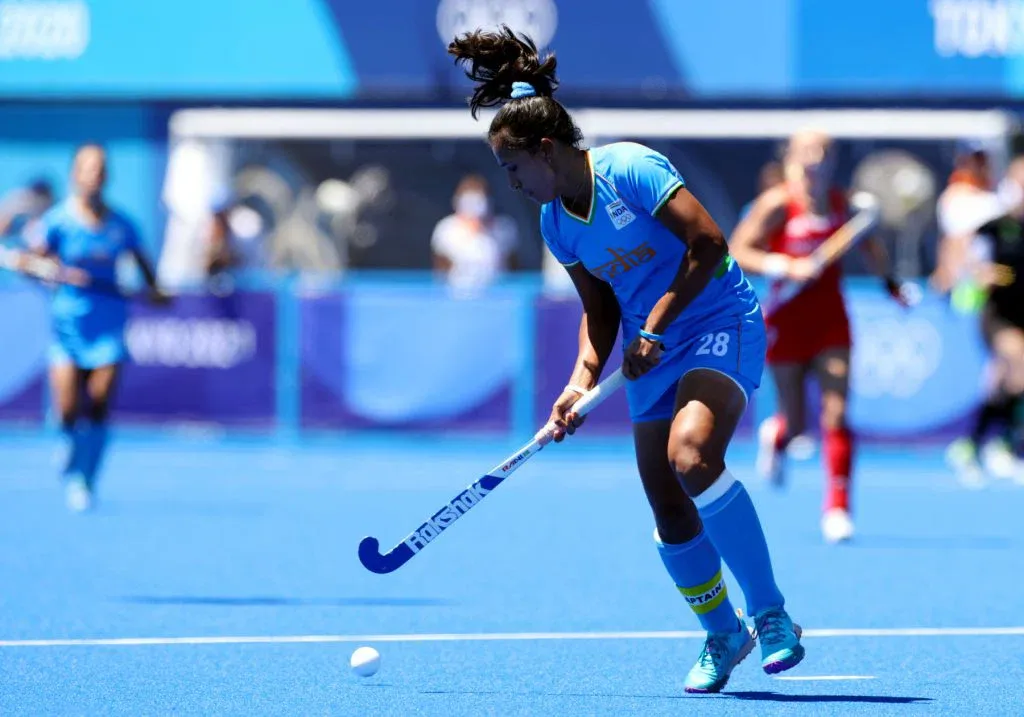
India’s hockey development framework has entered a critical execution phase as Hockey India unveiled an 84-player roster for its U-18 National Coaching Camp in Bhopal. The selected athletes—equally divided between men and women—earned their spots through standout performances at the Sub Junior National Championships. The camp, which began on April 19, 2026, will act as a high-performance filter, reducing squads to 24 players each within a week. These final groups will undergo intensive preparation ahead of the U-18 Asia Cup in Japan. The initiative reflects a structured, merit-driven approach to talent development and long-term competitiveness.
Structured Talent Pipeline Anchored in Performance Metrics
The Hockey India has announced a comprehensive list of 84 emerging players for its U-18 National Coaching Camp, marking a significant step in the country’s athlete development strategy. The roster includes 42 male and 42 female players, all selected on the basis of their performances in the recently concluded 16th Sub Junior National Championships.
This meritocratic selection framework underscores a broader shift toward data-backed scouting and performance benchmarking—critical elements in building a sustainable pipeline of elite athletes capable of competing at the international level.
High-Performance Training Hub at SAI Bhopal
The camp is being conducted at Sports Authority of India in Bhopal, a key node in India’s sports infrastructure network. Since its commencement on April 19, the program has been designed to rigorously assess players across technical, tactical, and physical parameters.
Within the first week, each 42-member group will be streamlined to 24 players. This evaluation phase is intended to identify athletes who demonstrate consistency, adaptability, and the psychological resilience required for high-stakes international competition.
Roadmap to the U-18 Asia Cup 2026
The final squads emerging from this selection process will represent India at the Men’s and Women’s U18 Asia Cup Kakamigahara 2026, scheduled from May 29 to June 6 in Japan.
This tournament is a critical milestone in the junior hockey calendar, offering players exposure to top-tier continental competition. It also serves as a stepping stone for progression into senior national teams, making the preparatory phase both strategically and competitively significant.
Intensive Training and Competitive Readiness
Post-selection, the final 24-player squads will enter an intensive training block focused on match simulation, endurance conditioning, and tactical refinement. The objective is to replicate international playing conditions, ensuring that athletes are prepared for both the physical intensity and mental demands of elite tournaments.
This layered approach to preparation reflects a growing emphasis on professionalized athlete management, where continuous assessment and performance optimization are central to success.
Economic and Strategic Implications for Indian Hockey
From a business and governance perspective, initiatives like the U-18 camp play a crucial role in enhancing the credibility and commercial appeal of Indian hockey. A robust grassroots system strengthens investor confidence, attracts sponsorships, and supports long-term revenue generation through media and fan engagement.
By investing in youth development, India is not only building competitive teams but also reinforcing the structural foundations necessary for sustained growth in the global sports economy.
Conclusion
Hockey India’s U-18 National Coaching Camp represents a forward-looking investment in the country’s sporting future. Through a disciplined selection process and high-performance training model, the federation is cultivating a new generation of athletes equipped for international success. As the Asia Cup approaches, the focus will remain on refining talent and delivering results—both on the field and within the broader framework of India’s evolving sports ecosystem.
Comments