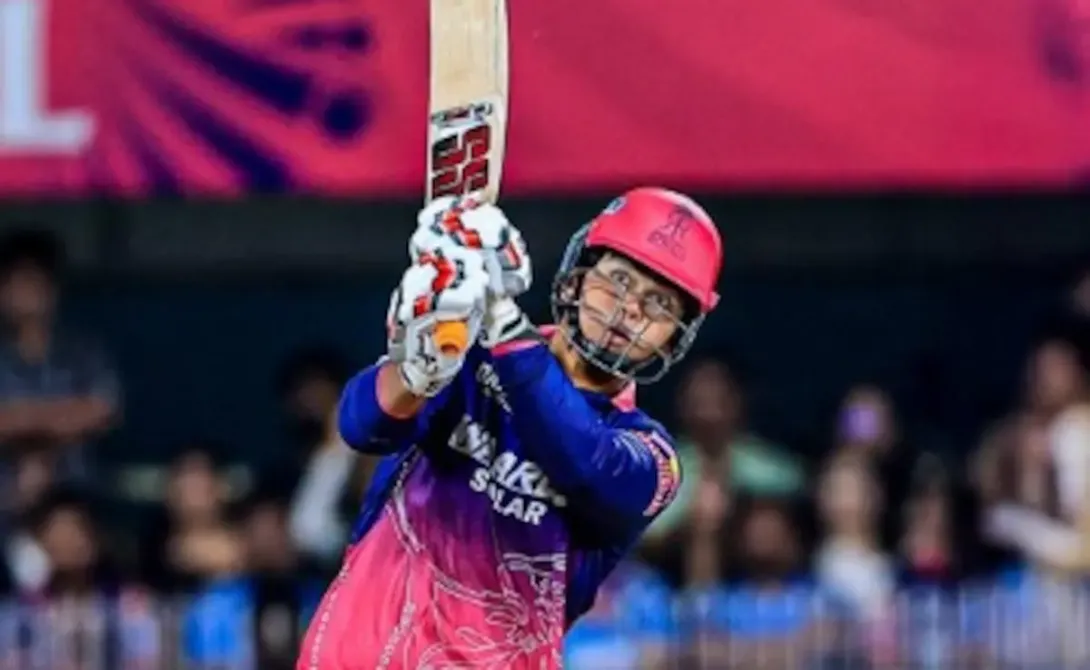
A 15-year-old batting prodigy has emerged as one of the most compelling storylines of IPL 2026, placing Indian cricket’s selection framework under fresh scrutiny. Vaibhav Sooryavanshi’s impressive performances, including multiple half-centuries, have reportedly earned him a spot in a preliminary shortlist for India’s upcoming T20 tour of Ireland. However, his potential inclusion raises complex questions around team composition, experience versus youth, and the displacement of established players. The situation reflects broader shifts in talent evaluation and performance-driven selection, highlighting how emerging players are reshaping competitive hierarchies in a high-stakes, commercially driven cricket ecosystem.
A Breakthrough Talent Captures Attention
The rise of Vaibhav Sooryavanshi has become a defining narrative of the current cricketing season. At just 15, the young batter has delivered standout performances in the Indian Premier League, showcasing maturity and technical proficiency well beyond his years.
His ability to perform under pressure has not only drawn widespread attention but also prompted serious consideration from national selectors.
IPL Success Accelerates National Prospects
Sooryavanshi’s consistent run-scoring, including two half-centuries, has positioned him as a strong contender for higher honors. Performances in the IPL—widely regarded as one of the most competitive T20 leagues globally—often serve as a benchmark for international readiness.
As a result, his inclusion in a 35-member shortlist of T20 specialists for the Ireland tour reflects a growing willingness within the system to fast-track exceptional talent.
Selection Complexity and Competition
Despite his impressive credentials, Sooryavanshi’s path to the national team remains uncertain. The final squad composition must balance emerging talent with established experience.
Players such as Suryakumar Yadav, Sanju Samson, and Abhishek Sharma represent proven performers in the T20 setup. Any decision to include a young entrant could potentially alter the existing hierarchy, making selection a nuanced and high-stakes exercise.
Strategic Considerations for Team Management
From a strategic standpoint, integrating a teenage player into the national setup requires careful calibration. Beyond immediate performance, factors such as workload management, psychological readiness, and long-term development pathways must be considered.
The Board of Control for Cricket in India faces the challenge of balancing short-term gains with sustainable talent development.
Commercial and Narrative Impact
The emergence of a young prodigy also carries significant commercial implications. New talent often drives fan engagement, media narratives, and sponsorship interest—key components of cricket’s modern economic ecosystem.
A player like Sooryavanshi represents not just sporting potential but also a compelling story that can enhance the league’s and national team’s market appeal.
Conclusion: Promise Meets Prudence
Vaibhav Sooryavanshi’s rapid ascent underscores the depth of India’s cricketing talent pool while highlighting the complexities of modern selection dynamics. While his performances warrant serious consideration, the decision to include him at the international level must align with broader strategic objectives.
As selectors deliberate, the situation exemplifies a central tension in contemporary sport—balancing the excitement of emerging talent with the stability and experience required for sustained success.
Comments