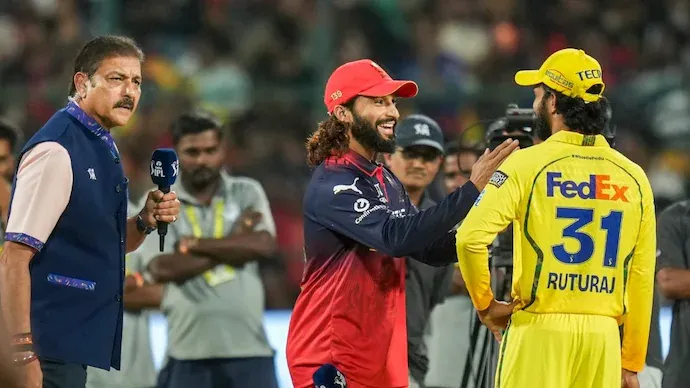
Chennai Super Kings have formally approached the Board of Control for Cricket in India following concerns over music and remarks played during their IPL 2026 clash against Royal Challengers Bengaluru. The issue centers on the use of a meme-associated track and related commentary perceived as reinforcing regional stereotypes. The incident highlights the increasing importance of cultural sensitivity and brand stewardship in high-profile sporting events. As the IPL continues to expand its global footprint, such developments underscore the need for tighter governance, responsible content curation, and alignment between entertainment elements and professional standards.
Formal Complaint Following Matchday Incident
Chennai Super Kings have reportedly lodged a formal complaint with the Board of Control for Cricket in India after their April 5 fixture against Royal Challengers Bengaluru at the M. Chinnaswamy Stadium.
The franchise objected to the use of a track popularly associated with meme culture referencing South Indian stereotypes, along with certain remarks that accompanied it during the match. The concerns were reportedly communicated through formal channels to the governing body.
Cultural Sensitivity in a Global League
The controversy brings into sharp focus the evolving expectations surrounding cultural representation in the Indian Premier League. As one of the world’s most-watched sporting leagues, the IPL caters to a diverse and global audience.
In such a context, content that may appear trivial in isolation can carry broader implications, particularly when it intersects with regional identity and cultural nuance. Franchises are increasingly aware that maintaining inclusivity is critical to sustaining fan engagement across markets.
Brand Equity and Commercial Implications
For a high-value franchise like Chennai Super Kings, safeguarding brand integrity is central to its commercial strategy. The IPL ecosystem is driven by sponsorships, media rights, and fan loyalty, all of which are influenced by public perception.
Incidents perceived as culturally insensitive can have downstream effects on stakeholder relationships, including advertisers and partners. In a competitive sports marketplace, reputation management is as critical as on-field performance.
Governance and Accountability
The involvement of the Board of Control for Cricket in India underscores the role of regulatory oversight in maintaining standards within the league. As the IPL’s governing authority, the BCCI is responsible for ensuring that matchday operations adhere to professional and ethical norms.
This development could prompt a review of in-stadium entertainment protocols, including guidelines for music selection, commentary, and fan engagement practices.
Balancing Entertainment with Responsibility
The IPL’s success has been built on its ability to blend sport with entertainment. However, this incident highlights the delicate balance required to ensure that entertainment elements do not compromise cultural sensitivity.
As leagues become more global, the margin for misjudgment narrows. Stakeholders must adopt a more calibrated approach to content curation, ensuring alignment with broader social and cultural expectations.
Conclusion: A Turning Point for IPL Governance
The complaint by Chennai Super Kings represents more than an isolated grievance—it reflects a broader shift toward accountability and inclusivity in professional sport. As the IPL continues to evolve as a global brand, maintaining cultural sensitivity will be essential to its sustained growth.
Going forward, clearer guidelines and stricter oversight could help prevent similar incidents, reinforcing the league’s commitment to professionalism and respect in an increasingly interconnected sporting landscape.
Comments