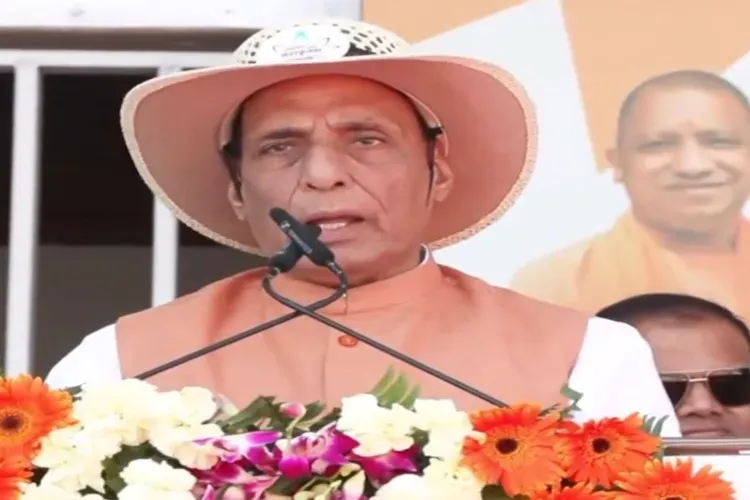
India’s recent sporting achievements across cricket, squash, shooting, and boxing signal a decisive shift in the nation’s athletic trajectory, marked by rising confidence and global competitiveness. Defence Minister Rajnath Singh underscored this transformation, attributing success to the growing self-belief among young athletes. Landmark victories, including triumphs in major cricket tournaments and a historic squash world title, have strengthened India’s credentials ahead of the Los Angeles 2028 Olympics. As performance standards rise, the convergence of talent, institutional backing, and commercial interest is shaping a new era in Indian sports.
Government Endorsement Reflects Growing Confidence
India’s sporting ecosystem continues to receive strong institutional backing, with Defence Minister Rajnath Singh publicly commending the recent achievements of Indian athletes. His remarks highlight a broader narrative: the emergence of a confident, self-assured generation of sportspersons capable of competing—and winning—on the global stage.
This endorsement is not merely symbolic. It reflects a strategic alignment between government support and athlete performance, reinforcing the importance of sustained investment in sports infrastructure, training programs, and international exposure.
Cricket Success Anchors India’s Global Sporting Image
Cricket remains a cornerstone of India’s sporting identity, and recent victories have further consolidated its dominance. Under the leadership of Harmanpreet Kaur, the Indian women’s team delivered a landmark performance at the Women’s World Cup, setting new benchmarks for consistency and resilience.
Building on this momentum, Suryakumar Yadav led the men’s side to a T20 World Cup triumph on home soil in March. These victories not only enhanced India’s global standing but also unlocked significant commercial opportunities, including sponsorship deals, broadcasting revenues, and brand endorsements valued in millions of Rs.
Breakthrough Achievements Across Emerging Sports
Beyond cricket, India’s success story is increasingly diversified. In squash, the country secured its first-ever Mixed Team World Cup title in Chennai, marking a historic milestone for the sport.
Simultaneously, young athletes in shooting and boxing have delivered breakthrough performances on international platforms, demonstrating depth in talent and the effectiveness of grassroots development programs. These achievements reflect a structural shift, where non-traditional sports are gaining visibility, funding, and professional management.
Building Momentum Toward LA 2028 Olympics
The cumulative impact of these successes positions India as a strong contender for the Los Angeles 2028 Olympics. With a growing pipeline of elite athletes and enhanced support systems, expectations are steadily rising.
From a strategic standpoint, the focus is now on converting potential into podium finishes. This requires a data-driven approach to training, sports science integration, and targeted investment in high-performance centers. The government’s proactive stance, combined with private sector participation, is expected to play a crucial role in this transition.
Commercial Expansion and Economic Implications
India’s sporting achievements are increasingly translating into economic value. The surge in international victories has amplified brand India, attracting corporate sponsorships and boosting media rights valuations.
Leagues, federations, and individual athletes are benefiting from a more structured financial ecosystem, where revenue streams are diversified across advertising, digital engagement, and merchandising. This evolution underscores the emergence of sports as a viable economic sector, contributing to employment, investment, and global recognition.
Conclusion
India’s recent sporting successes signal more than isolated victories—they represent a systemic transformation driven by confidence, capability, and strategic vision. With strong performances across disciplines and growing institutional support, the nation is steadily positioning itself as a global sporting powerhouse. As preparations intensify for the Los Angeles 2028 Olympics, the challenge will be to sustain this momentum and translate promise into consistent excellence on the world stage.
Comments