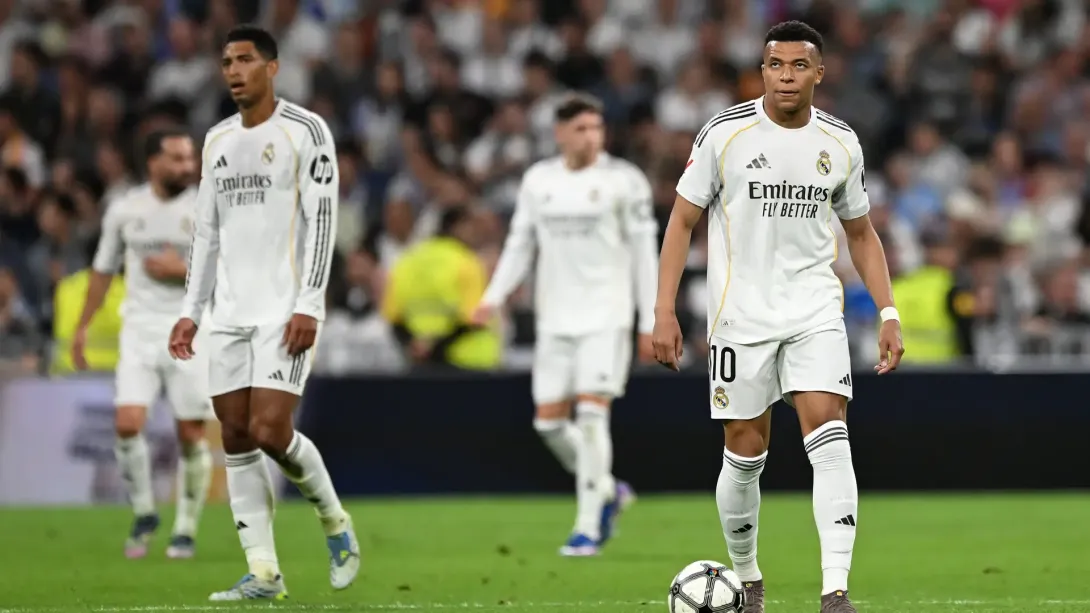
Real Madrid were held to a 1-1 draw by Girona FC in a competitive La Liga encounter, underscoring the increasing parity within Spain’s top tier. The result represents a missed opportunity for Madrid to strengthen their title ambitions, while Girona’s disciplined performance highlights their evolution into a tactically resilient side. Beyond the scoreboard, the fixture reflects broader structural shifts in European football, where strategic planning and efficient resource allocation are enabling smaller clubs to challenge traditional powerhouses with greater consistency.
A Tactical Battle Ends in Deadlock
The contest between Real Madrid and Girona FC concluded in a 1-1 stalemate, offering a compelling illustration of tactical balance in modern La Liga football.
Real Madrid controlled significant portions of possession, yet struggled to convert dominance into decisive advantage. Girona, in contrast, executed a disciplined defensive structure complemented by calculated attacking transitions, effectively neutralizing Madrid’s offensive threats.
Title Implications for Real Madrid
For Real Madrid, the draw carries tangible consequences in the context of the title race. Dropped points in tightly contested fixtures can accumulate into strategic setbacks, particularly in a league environment where competition margins are increasingly narrow.
From a performance analytics perspective, the result underscores the need for greater efficiency in chance conversion and adaptive in-game management—critical variables that often define championship-winning campaigns.
Girona’s Strategic Growth and Competitive Identity
Girona FC’s ability to secure a result against elite opposition reflects a broader transformation in their competitive identity. The club has leveraged structured coaching, tactical discipline, and efficient squad utilization to emerge as a credible force within the league.
This evolution is emblematic of a wider trend in European football, where mid-tier clubs are narrowing the gap with traditional giants through data-driven decision-making and targeted investments.
Tactical Dynamics and Match Analysis
The match showcased contrasting football philosophies. Real Madrid emphasized possession-based play and positional fluidity, while Girona relied on compact defensive lines and rapid counterattacks.
Such tactical diversity enhances the overall competitiveness of La Liga, where adaptability and strategic nuance increasingly determine match outcomes. The encounter also highlighted the growing importance of defensive organization in countering high-possession teams.
Commercial and Market Implications
From a business standpoint, results like this contribute to the commercial vitality of La Liga. Increased unpredictability enhances viewer engagement, strengthens broadcasting value, and broadens the league’s global appeal.
For Real Madrid, maintaining consistent on-field performance is essential not only for sporting success but also for sustaining brand equity and commercial dominance. Meanwhile, Girona’s competitiveness adds depth to the league’s narrative, making it more attractive to investors and sponsors.
Conclusion
The 1-1 draw between Real Madrid and Girona FC reflects the evolving dynamics of La Liga. While Madrid will view the outcome as a missed opportunity, Girona’s disciplined performance underscores their rising stature.
As the season progresses, such results are likely to influence both the title race and the broader competitive landscape, reinforcing the league’s reputation for tactical sophistication and increasing parity.
Comments