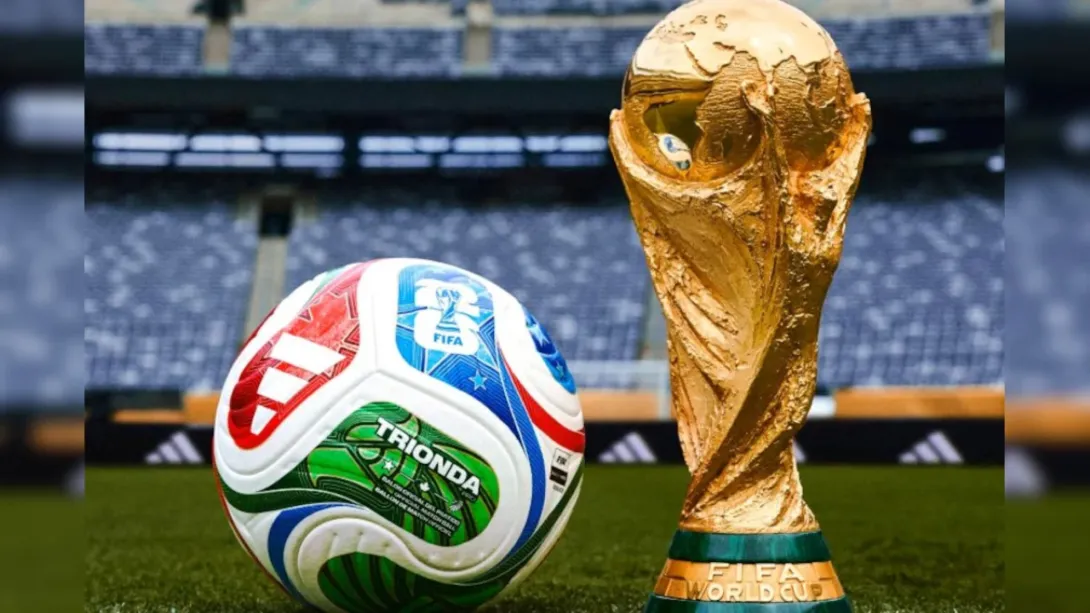
With the FIFA World Cup 2026 fast approaching, India faces an unusual broadcast vacuum as media rights for the tournament remain unsold. The absence of a confirmed television or digital partner has created uncertainty around access for millions of viewers in one of football’s fastest-growing markets. This situation reflects deeper shifts in sports media economics, including valuation disagreements, evolving consumption habits, and the growing dominance of digital platforms. Beyond fan concerns, the delay carries significant financial implications for advertisers, broadcasters, and rights holders, highlighting structural changes in how premium global sporting events are monetized.
A Rare Breakdown in Broadcast Agreements
The ongoing uncertainty surrounding the FIFA World Cup 2026 in India represents a rare disruption in the global sports broadcasting ecosystem. Typically, media rights for events of this magnitude are secured well in advance, ensuring comprehensive coverage across multiple platforms.
However, with less than two months remaining, the absence of a finalized agreement suggests underlying complexities in negotiations. This delay has left both audiences and industry stakeholders in a state of anticipation.
Valuation Gaps and Market Realities
At the heart of the impasse lies a potential mismatch between the expectations of FIFA and the commercial calculations of Indian broadcasters. As media companies become increasingly cautious about high-cost acquisitions, the emphasis has shifted toward sustainable returns on investment.
India’s market dynamics—characterized by price sensitivity and intense competition—further complicate the equation. While the World Cup remains a premium asset, broadcasters are recalibrating their strategies to align with changing revenue models, particularly in the digital space.
Advertising and Revenue Implications
The lack of clarity over broadcast rights has immediate consequences for advertisers. Major tournaments like the FIFA World Cup 2026 typically attract substantial advertising investments, driven by high viewership and global appeal.
Without a confirmed platform, brands face uncertainty in planning campaigns and allocating budgets. This disruption could lead to deferred spending or a shift toward alternative marketing channels, potentially impacting the overall revenue ecosystem associated with the event.
Audience Access at Risk
India’s growing football audience now faces the prospect of limited or delayed access to one of the sport’s most prestigious events. The absence of a broadcast partner raises concerns about whether fans will be able to follow matches live, either on television or digital platforms.
Such a scenario could undermine audience engagement and slow the momentum of football’s expanding popularity in the country. For a market that has seen steady growth in viewership, this represents a significant setback.
Structural Shifts in Sports Media
The current situation reflects broader transformations within the sports media industry. The rise of streaming platforms, changing viewer preferences, and evolving monetization strategies have altered the traditional dynamics of rights negotiations.
For FIFA, balancing global pricing benchmarks with local market conditions has become increasingly complex. Failure to secure timely agreements in key markets could affect both visibility and long-term brand equity.
Outlook: A Race Against Time
As the tournament draws closer, pressure is mounting on all parties to reach a resolution. Industry observers expect accelerated negotiations, with the possibility of last-minute deals or hybrid broadcasting arrangements emerging as practical solutions.
Conclusion
The unresolved broadcast rights for the FIFA World Cup 2026 in India highlight a critical intersection of economics, technology, and audience behavior. While the tournament remains a global spectacle, its accessibility in a key market hangs in the balance. The eventual outcome will not only determine viewership but also shape future strategies for sports media rights in an increasingly complex and competitive landscape.
Comments