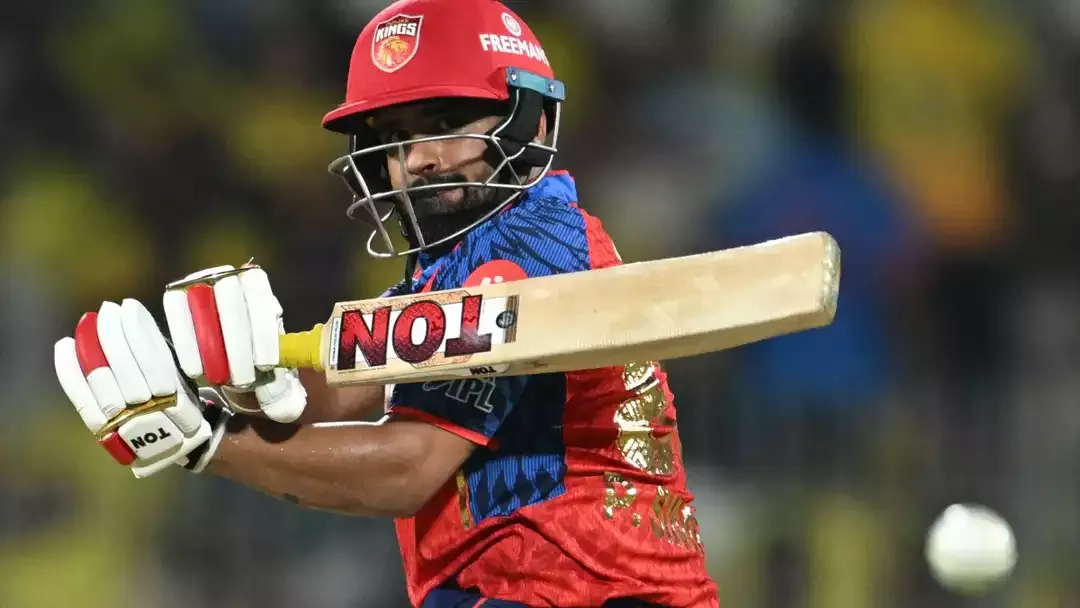
Indian cricketer Prabhsimran Singh has voiced support for the Impact Player Rule in the Indian Premier League, emphasizing its transformative impact on match strategy and competitiveness. The rule, which allows mid-game substitutions, has redefined tactical planning by enabling teams to adapt dynamically to evolving match conditions. Singh’s endorsement reflects growing acceptance within the cricketing ecosystem, where innovation is increasingly aligned with performance optimization and commercial growth. The development underscores the IPL’s role as a pioneer in blending sporting evolution with audience-driven entertainment models.
A Structural Shift in T20 Strategy
The introduction of the Impact Sub rule represents one of the most significant tactical innovations in modern T20 cricket. By allowing teams to replace a player during the course of a match, franchises gain the ability to recalibrate strategies in response to changing conditions.
Prabhsimran Singh’s backing of the rule highlights its practical value. The flexibility to strengthen either batting or bowling units mid-game has introduced a new dimension of unpredictability, making matches more competitive and strategically nuanced.
Enhancing Tactical Depth and Player Utilization
From a performance perspective, the rule allows teams to maximize the utility of specialized players. Bowlers can be deployed for specific phases, while batters can be introduced when scoring acceleration is required.
This approach aligns with the IPL’s increasing reliance on analytics and data-driven decision-making. Teams now assess match situations in real time, determining optimal substitution strategies that enhance efficiency and output.
For players, the rule expands opportunities, ensuring that a broader pool of talent contributes to match outcomes rather than being confined to the starting lineup.
Commercial Impact and Viewer Engagement
The Impact Sub rule has also strengthened the IPL’s commercial appeal. By adding an element of unpredictability, it enhances viewer engagement—a critical factor for broadcasters, sponsors, and digital platforms.
Dynamic match scenarios lead to higher viewership retention, translating into increased advertising revenues and stronger sponsorship activations. The IPL’s ability to innovate in this manner reinforces its position as a global leader in sports entertainment, where rule changes are leveraged to sustain both competitive excitement and financial growth.
Balancing Tradition with Innovation
While traditionalists may question such changes, the broader cricketing ecosystem is gradually embracing innovation. Prabhsimran Singh’s endorsement reflects a shift in mindset, where adaptability and strategic flexibility are seen as essential components of modern cricket.
The rule also encourages teams to build deeper squads, fostering talent development and ensuring that emerging players gain exposure in high-pressure environments.
Conclusion
Prabhsimran Singh’s support for the Impact Sub rule underscores a pivotal moment in the evolution of the Indian Premier League. By integrating tactical innovation with commercial foresight, the IPL continues to redefine the boundaries of modern cricket. As the league evolves, such initiatives will play a crucial role in shaping both the competitive landscape and the broader business ecosystem of the sport.
Comments