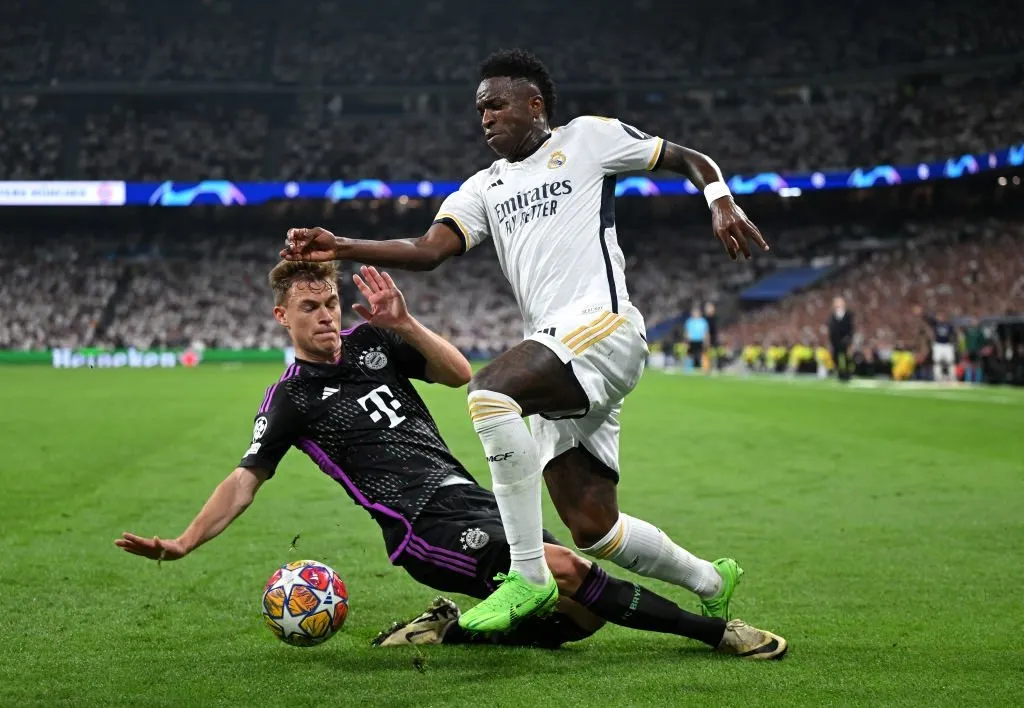
Two of football’s most powerful institutions, Bayern Munich and Real Madrid, are preparing for a high-stakes quarterfinal encounter in the UEFA Champions League. The matchup combines elite sporting pedigree with significant commercial implications, as both clubs seek advancement in Europe’s most lucrative competition. With global audiences, sponsorship revenues, and legacy narratives at play, the tie is expected to deliver both technical excellence and tactical intrigue. The outcome could influence not only tournament progression but also broader financial and brand trajectories for both clubs.
A Marquee Fixture with Global Significance
The upcoming clash between Bayern Munich and Real Madrid represents one of the most anticipated fixtures in the UEFA Champions League.
Both clubs have built enduring legacies through consistent success, commanding vast international fan bases and generating substantial commercial revenues. Their meeting at the quarterfinal stage elevates the competition’s global appeal and underscores the tournament’s role as a premier sporting and business platform.
Tactical Philosophies and Competitive Edge
Bayern Munich are widely recognized for their structured approach, characterized by high pressing, positional discipline, and efficient ball circulation. Their ability to dominate possession often allows them to dictate the tempo of matches.
In contrast, Real Madrid have historically thrived in knockout scenarios, leveraging experience, adaptability, and composure in high-pressure situations. Their capacity to deliver decisive moments in critical phases has been a hallmark of their European campaigns.
Key Performance Indicators
At this advanced stage of the UEFA Champions League, success is often determined by marginal gains. Metrics such as goal conversion rates, defensive organization, and midfield control will be crucial.
Additionally, efficiency in set-piece situations and game management during the closing stages are expected to play a pivotal role, given the evenly matched nature of the contest.
Commercial Stakes and Brand Equity
The Champions League remains a significant revenue driver within global football, with matches involving clubs like Real Madrid and Bayern Munich attracting massive viewership.
Advancement in the tournament enhances broadcasting income, sponsorship value, and global brand visibility. For both clubs, success on the field directly correlates with long-term financial growth and market positioning.
Strategic Implications for the Season
Beyond immediate qualification for the semifinals, the outcome of this tie carries broader implications. Progression can influence player valuations, managerial stability, and overall club strategy.
In a highly competitive European landscape, success in the UEFA Champions League remains a critical benchmark of excellence and ambition.
Conclusion
The quarterfinal encounter between Bayern Munich and Real Madrid encapsulates the intersection of elite sport and global business. As both teams prepare for this decisive showdown, the focus will remain on execution, adaptability, and the ability to perform under pressure—qualities that define champions at the highest level of the game.
Comments