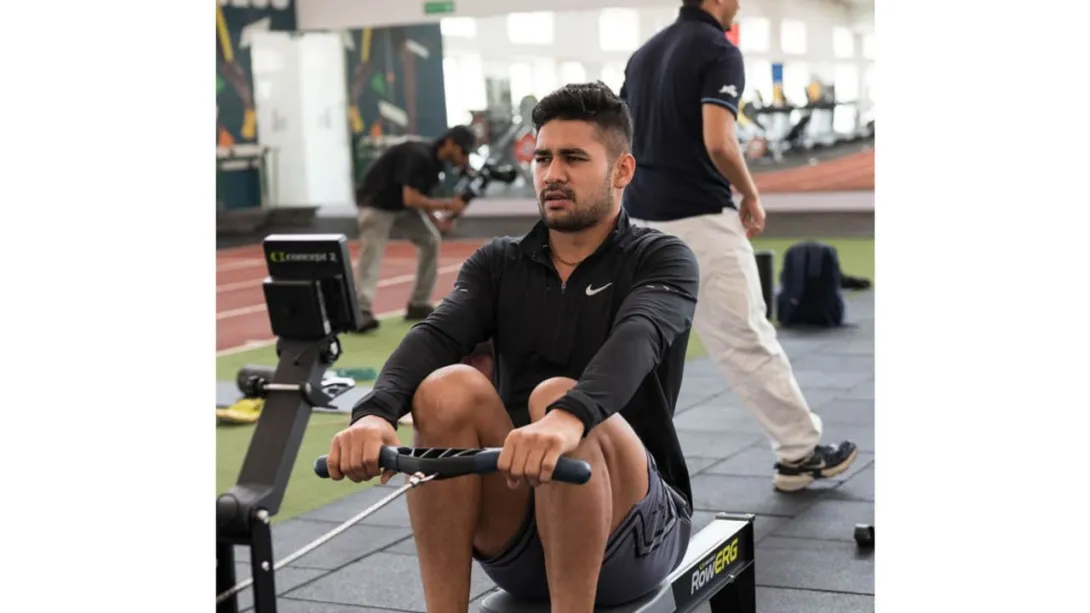
India’s leading kabaddi players are undergoing a significant transformation in their preparation methods as the Amateur Kabaddi Federation of India conducts a specialized Strength and Conditioning camp in Ballari. The five-day program aims to modernize training frameworks by incorporating sports science, injury prevention, and performance analytics. With major global tournaments, including the Asian Games, approaching, athletes are focusing on improving physical resilience and tactical agility. Players such as Aslam Inamdar emphasize that structured conditioning has become essential as the sport grows faster and more physically demanding.
A New Era of Scientific Preparation
India’s kabaddi ecosystem is undergoing a notable shift as modern training methodologies gain prominence. Historically rooted in traditional practice routines, the sport is now embracing data-driven fitness programs and sports science to enhance performance.
The Strength and Conditioning camp organized by the Amateur Kabaddi Federation of India in Ballari represents a step toward aligning kabaddi with international high-performance standards. Coaches, physiotherapists, and conditioning specialists are working together to refine the athletes’ physical preparation.
This approach reflects a broader trend in professional sports, where structured conditioning and injury prevention programs are increasingly considered essential for maintaining competitive advantage.
Preparing for Global Competitions
With international tournaments approaching, particularly the Asian Games, India’s kabaddi players are intensifying their preparation through specialized training programs. Such camps allow athletes to focus on improving core strength, endurance, and explosive power—qualities critical to the modern game.
The sport has evolved dramatically over the past decade, with faster gameplay, advanced defensive formations, and increased physical intensity. As a result, players must maintain peak physical fitness to compete effectively at the international level.
High-performance camps like the one in Ballari provide a controlled environment where athletes can refine techniques while enhancing their physical conditioning.
Players Highlight the Importance of Conditioning
For experienced players such as Aslam Inamdar, the transformation in training philosophy is both necessary and timely. The all-rounder notes that kabaddi today demands far greater physical preparedness than in previous generations.
According to athletes participating in the camp, a strong physical foundation is crucial not only for performance but also for injury prevention. Without proper conditioning, the risk of muscle strain, joint injuries, and fatigue increases significantly during high-intensity matches.
Structured strength programs, flexibility training, and recovery protocols are therefore becoming central components of professional kabaddi preparation.
The Business and Institutional Impact
The modernization of training practices also carries broader implications for the sport’s growth. Kabaddi has expanded rapidly in recent years, driven by professional leagues, media coverage, and increasing commercial investment.
Improved athlete preparation strengthens the credibility of national teams and enhances the sport’s appeal among sponsors and broadcasters. As performance standards rise, the potential for international expansion and commercial partnerships grows as well.
For governing bodies such as the Amateur Kabaddi Federation of India, initiatives like this camp represent a strategic investment in the sport’s long-term sustainability.
Looking Ahead: Building a Stronger Kabaddi Ecosystem
As the camp concludes in Ballari, its impact is expected to extend beyond immediate tournament preparation. By integrating sports science into regular training programs, India’s kabaddi community aims to create a more resilient and competitive athlete base.
The shift toward structured conditioning reflects a broader transformation in Indian sports culture, where data-driven training and professional management are becoming increasingly common.
If these initiatives continue to evolve, they could play a crucial role in ensuring that India maintains its dominance in kabaddi while strengthening the sport’s global reputation in the years ahead.
Comments