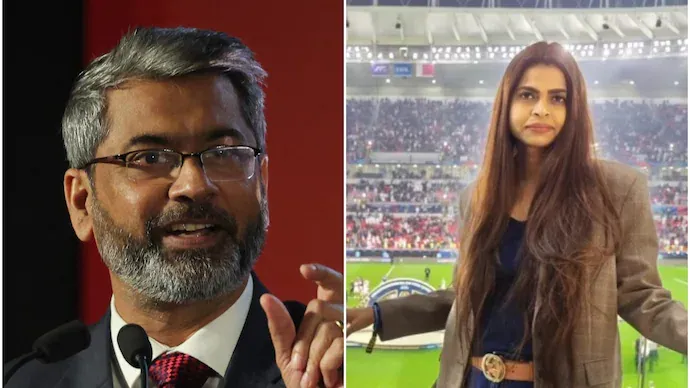
India’s football administration has come under renewed public scrutiny after allegations of harassment were raised against All India Football Federation (AIFF) president Kalyan Chaubey. The complaint was made by Valanka Alemao, chairperson of the AIFF Women’s Committee, who formally reported the incident in a letter following an Executive Committee meeting in New Delhi. The development has triggered wider debate about governance standards, leadership accountability, and institutional conduct within Indian football. As the controversy unfolds, stakeholders across the sporting ecosystem are closely watching how the federation addresses the issue, highlighting the growing importance of transparency and professional ethics in modern sports administration.
Allegations Emerge Within Indian Football’s Governing Body
The leadership of the All India Football Federation has been drawn into controversy following harassment allegations made against its president, Kalyan Chaubey. The claims were raised by Valanka Alemao, who heads the federation’s Women’s Committee, in a formal communication regarding events that reportedly took place during an Executive Committee meeting in New Delhi.
According to the complaint, Alemao expressed concerns over Chaubey’s conduct during the meeting and documented the matter in writing. The allegations have sparked discussion among football administrators, players, and observers who have long emphasized the need for strong governance frameworks within national sports bodies.
While details surrounding the incident remain subject to official review, the episode has once again brought attention to leadership conduct within India’s football administration.
Renewed Focus on Governance and Institutional Accountability
The allegations arrive at a time when governance standards within Indian sports organizations are under increasing public and institutional scrutiny. Modern sports federations are expected to operate with transparency, accountability, and clearly defined codes of conduct.
Governance experts note that leadership controversies can have far-reaching implications for a sport’s credibility. Federations not only manage national teams and domestic competitions but also oversee financial resources, sponsorship agreements, and development programs.
As such, any concerns related to professional conduct within top leadership positions can quickly escalate into broader debates about institutional accountability and organizational culture.
Implications for Women’s Representation in Football Administration
The controversy has also drawn attention to the role of women in sports governance. Valanka Alemao leads the AIFF Women’s Committee, which is responsible for promoting the development of women’s football across India.
In recent years, the growth of women’s football has become a priority for many sports federations, supported by increased funding, grassroots initiatives, and international competition exposure.
Allegations involving senior administrators therefore carry additional significance, particularly when they intersect with leadership structures responsible for advancing gender inclusivity in sports. Advocates for reform argue that maintaining safe and respectful professional environments is critical for encouraging wider participation and representation within sports organizations.
Impact on Indian Football’s Institutional Image
Administrative disputes at the highest levels of sports governance often extend beyond internal matters and influence the broader perception of the sport.
Indian football has been working to strengthen its domestic leagues, expand youth development programs, and enhance its presence in international competitions. The federation has also sought to attract greater commercial investment and build long-term partnerships with sponsors and broadcasters.
Industry analysts warn that controversies involving leadership conduct can distract from these strategic priorities. Maintaining public trust and institutional credibility is essential for sustaining investor confidence and ensuring the long-term growth of the sport.
Calls for Transparent Review and Due Process
As the allegations gain attention, sports governance experts are emphasizing the importance of transparent procedures and fair investigation mechanisms.
Most modern sports federations maintain internal ethics committees or disciplinary frameworks designed to address disputes and allegations of misconduct. Such processes aim to ensure that all parties receive a fair hearing while safeguarding the integrity of the organization.
Observers say the AIFF’s response to the situation could play a critical role in shaping perceptions of the federation’s commitment to accountability and professional standards.
A Test for Governance in Indian Football
The unfolding controversy represents more than a personal dispute; it has become a broader test of governance within Indian football’s administrative structure.
How the federation manages the allegations—through transparent review, institutional dialogue, and adherence to due process—may ultimately influence its credibility among players, administrators, and fans.
In an era when sports organizations increasingly operate under public and commercial scrutiny, strong governance is no longer optional. For Indian football, the coming developments will likely determine whether the federation can reinforce trust and maintain stability within one of the country’s most widely followed sports.
Comments