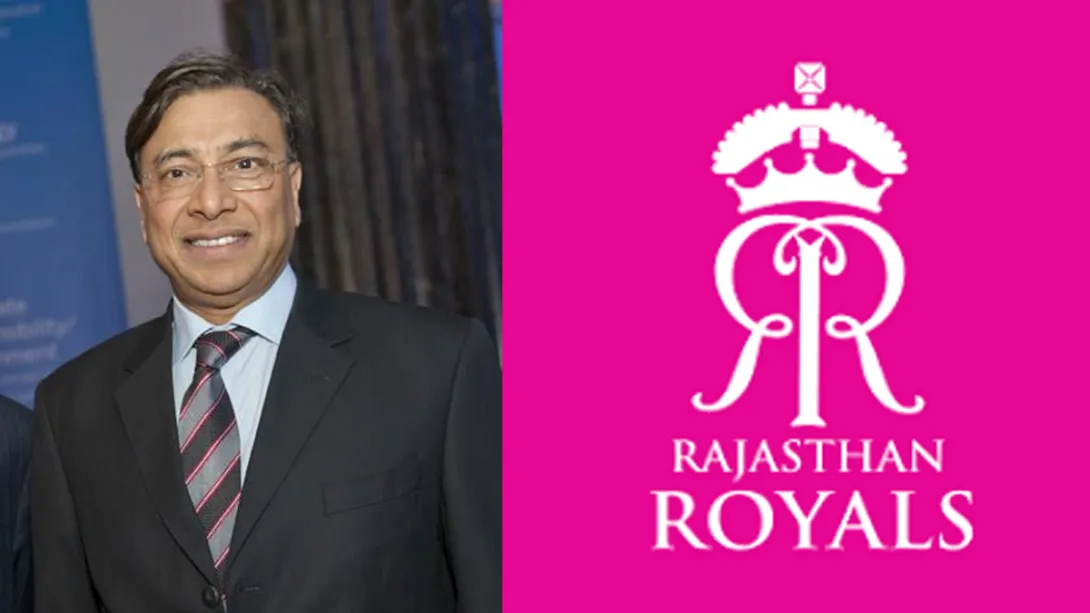
In a dramatic turn of events in Indian cricket’s business landscape, Lakshmi Mittal has secured a definitive agreement to acquire Rajasthan Royals at a valuation of $1.65 billion (approximately Rs 15,660 crore). The deal abruptly displaces a previously announced US-led consortium backed by prominent global investors. This high-value transaction underscores the surging financial appeal of the Indian Premier League and signals intensifying competition for ownership of elite sports assets. It also reflects a broader shift where industrial capital increasingly converges with global sports investments.
A Landmark Acquisition in Global Cricket Economics
Lakshmi Mittal’s entry into IPL franchise ownership marks a watershed moment in the commercialization of cricket. The acquisition of Rajasthan Royals at a valuation of Rs 15,660 crore highlights the league’s transformation into a premium global sports property.
This deal places the franchise among the most valuable sporting assets in India, reinforcing the IPL’s position as a magnet for high-net-worth investors. The scale of the transaction reflects not only the league’s revenue potential but also its enduring brand strength across international markets.
Consortium Deal Overturned in High-Stakes Negotiation
The agreement effectively nullifies a prior acquisition plan led by a US-based consortium under Kal Somani. That group had reportedly secured backing from globally recognized investors, including Rob Walton and members of the Ford Motor Company’s controlling family.
The abrupt reversal underscores the competitive intensity surrounding IPL ownership deals. In such high-value transactions, financial agility and decisive execution often outweigh previously negotiated arrangements, reshaping outcomes at the final stage.
Strategic Investment Meets Global Branding
From a financial standpoint, Mittal’s move aligns with a broader trend of diversification into sports franchises by global industrialists. The IPL offers a compelling investment case, driven by robust media rights, sponsorship inflows, and expanding digital engagement.
For Mittal, the acquisition represents both a strategic asset and a branding opportunity. Ownership of an IPL franchise provides global visibility and access to one of the fastest-growing sports audiences, particularly in emerging markets.
IPL Valuations Enter a New Era
The Rs 15,660 crore valuation signals a new benchmark for franchise pricing within the IPL ecosystem. Over the past decade, team valuations have risen sharply, fueled by consistent viewership growth and lucrative broadcasting deals.
This upward trajectory mirrors global sports leagues such as the NFL and Premier League, where franchise ownership has become a high-return asset class. The Rajasthan Royals deal is likely to influence future valuations, setting a precedent for upcoming transactions.
Governance and Competitive Implications
A change in ownership at this scale carries broader implications for team strategy and league governance. New ownership often brings fresh capital, revised management structures, and enhanced operational capabilities.
For Rajasthan Royals, Mittal’s involvement could translate into increased investment in player development, infrastructure, and analytics. At the league level, such high-profile deals reinforce the IPL’s credibility but also intensify competition among franchises.
The Convergence of Industry and Sport
Mittal’s acquisition exemplifies the growing intersection between traditional industries and modern sports enterprises. As industrial capital seeks diversified growth avenues, sports franchises offer a unique blend of financial returns and global influence.
This convergence is reshaping the economics of sport, with the IPL emerging as a leading example of how entertainment, media, and finance intersect in a high-growth ecosystem.
A Defining Moment for IPL’s Future Trajectory
The Rajasthan Royals acquisition is more than a change in ownership—it is a signal of the IPL’s evolution into a global investment battleground. With billionaires and institutional investors competing for stakes, the league’s future will increasingly be shaped by financial strategy as much as on-field performance.
As Lakshmi Mittal assumes control, the focus will shift to execution—how capital investment translates into competitive success and sustained brand growth in one of the world’s most dynamic sports leagues.
Comments