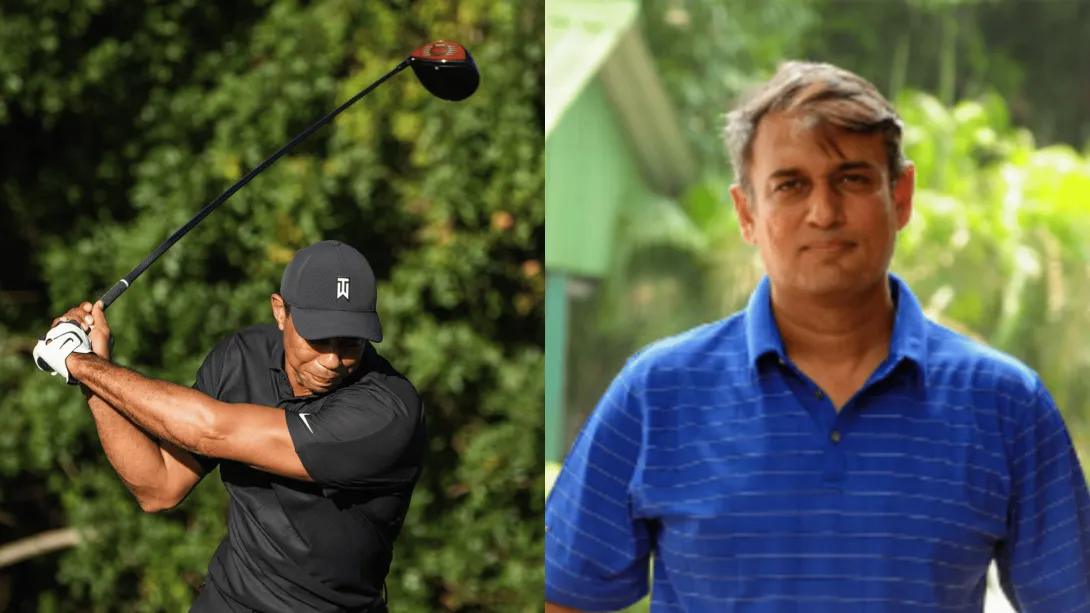
The 2026 edition of The Masters Tournament marked a rare and symbolic shift as iconic golfers Tiger Woods and Phil Mickelson were absent from the field. The last such instance predates the birth of current world No. 1 Scottie Scheffler, underscoring the longevity of both legends. While their absence resonates globally as a turning point, its impact in India remains muted. Former golfer Indrajit Bhalotia notes that Woods’ influence on Indian golf has been limited, reflecting the sport’s niche positioning within the country’s broader sports economy.
A Landmark Absence at Augusta
The Masters Tournament has long served as a stage where history, legacy, and excellence converge. The absence of Tiger Woods and Phil Mickelson in 2026 represents a defining moment, signaling the gradual conclusion of an era dominated by two of golf’s most recognizable figures.
For decades, both athletes have shaped not only competitive narratives but also the commercial architecture of the sport. Their presence attracted sponsorship capital, elevated broadcast revenues, and expanded golf’s global footprint.
Longevity That Defined Generations
The historical context amplifies the significance of their absence. The last time both Woods and Mickelson missed The Masters, Scottie Scheffler had yet to be born—a striking reminder of the sustained dominance and relevance these players maintained over multiple decades.
Such longevity is rare in professional sports and reflects a combination of technical excellence, adaptability, and brand endurance. Their careers bridged generational shifts, influencing both legacy audiences and emerging fan bases.
Global Impact vs. Indian Reality
In established golf markets, the absence of marquee names is often accompanied by measurable declines in viewership and sponsorship engagement. However, India presents a contrasting narrative.
According to Indrajit Bhalotia, Tiger Woods’ influence on Indian golf has not translated into widespread popularity or participation. The sport remains relatively niche, with limited grassroots penetration compared to cricket, which dominates both cultural attention and commercial investment.
Structural Constraints in India’s Golf Economy
India’s sports economy is heavily skewed toward cricket, which commands the majority of media rights revenue, sponsorship deals, and audience engagement. Golf, despite its global prestige, occupies a smaller share of this ecosystem.
As a result, the absence of global icons like Woods and Mickelson does not materially alter market dynamics in India. Sponsorship flows, viewership patterns, and grassroots interest in golf remain largely unaffected by individual player participation.
Transition to a New Competitive Era
While the absence of established legends marks the end of a significant chapter, it also paves the way for emerging players to redefine the sport. Scottie Scheffler, as the current world No. 1, represents this new era—characterized by consistency, analytical precision, and modern training methodologies.
This transition reflects a broader evolution in professional golf, where performance metrics and depth of competition are increasingly overshadowing individual star power.
Reflection Over Disruption
The 2026 Masters, devoid of Tiger Woods and Phil Mickelson, serves as a moment of reflection for the global golf community. It highlights the inevitable passage of time and the cyclical nature of sporting dominance.
However, in India, the event underscores a different reality—one where global narratives do not always translate into local impact. As the sport evolves internationally, its growth in India will likely depend less on global icons and more on domestic development, infrastructure investment, and grassroots engagement.
Comments