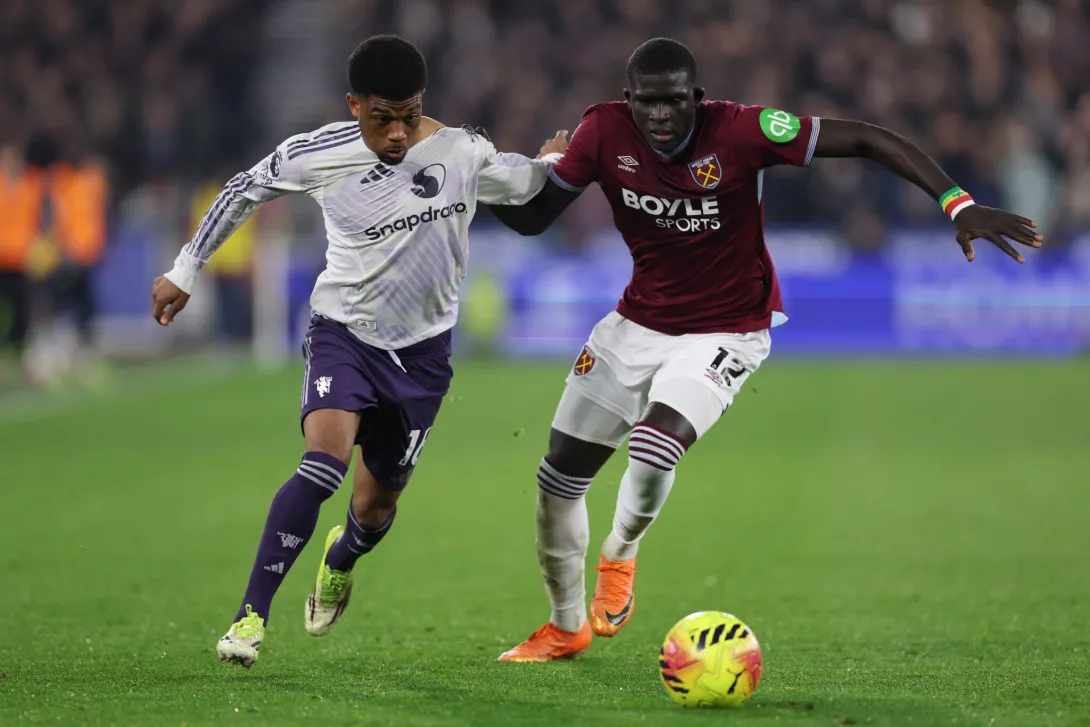
Manchester United are preparing a calculated summer transfer strategy centered on midfield restructuring and selective defensive reinforcements. With Casemiro approaching the end of his contract, the club is prioritizing the acquisition of two holding midfielders, with Sandro Tonali and Elliot Anderson emerging as key targets. Additionally, El Hadji Malick Diouf of West Ham United has been identified as a potential left-back option. The approach reflects a disciplined, resource-conscious model aimed at balancing immediate competitiveness with long-term squad sustainability.
Transfer Blueprint: A Shift Toward Structured Investment
Manchester United’s transfer plans indicate a transition from reactive recruitment to a more structured, priority-driven model. The club’s focus on strengthening the defensive midfield department underscores its recognition of structural vulnerabilities exposed in recent campaigns.
Rather than dispersing funds across multiple positions, United appear intent on concentrating capital allocation where it yields the highest tactical and performance returns—an approach increasingly aligned with modern football economics.
Midfield Overhaul: Replacing Experience with Versatility
The impending departure of Casemiro marks a significant turning point. As a seasoned defensive midfielder, his role has been central to shielding the backline and stabilizing transitions.
To address this gap, United are targeting Sandro Tonali and Elliot Anderson—two players offering complementary skill sets. Tonali’s tactical intelligence and composure provide immediate stability, while Anderson’s developmental potential aligns with long-term squad planning.
The intention to sign two players rather than one reflects a risk-mitigation strategy, ensuring depth and flexibility across multiple competitions.
Defensive Reinforcement: Conditional Left-Back Acquisition
Beyond midfield, United have identified El Hadji Malick Diouf of West Ham United as a candidate to strengthen the left-back position.
However, this move remains contingent on financial headroom following midfield acquisitions. This conditional approach highlights a disciplined spending framework, where secondary investments are pursued only after core priorities are addressed.
Financial Discipline: Optimizing Resource Allocation
In an era of heightened financial scrutiny, Manchester United’s strategy reflects a measured approach to expenditure. The sequencing of targets—midfield first, defense later—demonstrates a portfolio-style allocation of resources.
Such an approach mirrors corporate capital allocation models, where investment is directed toward high-impact areas while maintaining flexibility for opportunistic acquisitions. This ensures both competitiveness and compliance with financial sustainability frameworks.
Strategic Implications: Building a Balanced Squad
The proposed recruitment strategy signals a broader shift toward balance and adaptability. By diversifying midfield options and exploring defensive upgrades, United aim to enhance tactical versatility.
This evolution is critical in modern football, where teams must adapt to varying styles of play and congested schedules. A well-balanced squad reduces dependency on individual players and improves resilience against injuries and form fluctuations.
Market Context: Navigating a Competitive Transfer Landscape
The summer transfer window is expected to be highly competitive, with multiple clubs targeting similar profiles. United’s early identification of targets suggests proactive planning, which can be a decisive advantage in negotiations.
However, execution will depend on financial efficiency and the ability to secure value-driven deals—key determinants in achieving both sporting and economic objectives.
Conclusion: A Calculated Path to Long-Term Competitiveness
Manchester United’s transfer strategy reflects a deliberate effort to align sporting ambition with financial prudence. By prioritizing midfield reinforcement and conditionally pursuing defensive upgrades, the club is positioning itself for sustainable success.
Comments