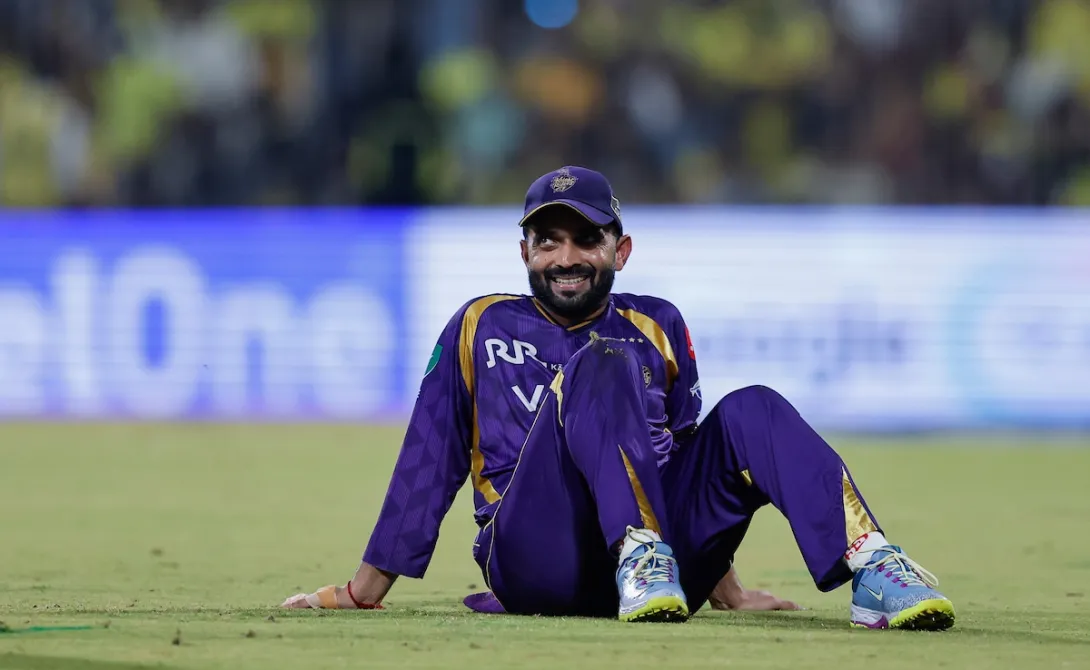
Kolkata Knight Riders’ dismal start to the IPL 2026 season has triggered serious concerns about team strategy, leadership, and execution. With zero wins in five matches, the franchise finds itself at the bottom of the standings, a position rarely associated with its legacy. Key players, including Cameron Green, Varun Chakravarthy, and captain Ajinkya Rahane, have struggled to deliver consistent performances. While the IPL format shields teams from relegation, the current trajectory highlights deeper structural and tactical issues. The situation underscores the importance of adaptability, squad balance, and leadership clarity in a highly competitive league environment.
A Troubling Start to the Season
Kolkata Knight Riders have endured a difficult opening phase in the Indian Premier League 2026 season, failing to secure a single victory in their first five matches. The team’s position at the bottom of the points table marks a sharp deviation from its reputation as a competitive powerhouse.
Such a prolonged losing streak early in the tournament not only impacts standings but also places psychological pressure on players and management. Momentum, a critical factor in short-format cricket, has so far eluded the franchise.
Key Players Under Scrutiny
The team’s struggles have brought several high-profile players into focus. Cameron Green has yet to make a decisive impact, while Varun Chakravarthy has struggled to replicate his past effectiveness with the ball.
Captain Ajinkya Rahane, entrusted with leading the side through a transitional phase, also faces mounting scrutiny. Leadership in franchise cricket extends beyond tactics to include managing player morale and navigating high-pressure scenarios—areas where results have not aligned with expectations.
Structural and Tactical Challenges
KKR’s current predicament appears to stem from a combination of tactical misalignment and inconsistent execution. The balance between batting depth and bowling versatility has been questioned, particularly in matches where the team has failed to capitalize on key moments.
In T20 cricket, adaptability is paramount. Teams that quickly recalibrate strategies based on opposition strengths and match conditions tend to outperform. KKR’s inability to adjust effectively has contributed to their ongoing struggles.
The Absence of Relegation Pressure
Unlike leagues such as the English Premier League, where underperforming teams face relegation, the IPL structure ensures franchise stability regardless of short-term results. While this provides financial and operational security, it also shifts the focus toward long-term brand value and performance consistency.
However, the absence of relegation does not diminish competitive expectations. Persistent underperformance can affect fan engagement, sponsorship value, and overall brand equity.
Implications for the Season Ahead
KKR’s winless run places them in a precarious position, where immediate course correction is essential to remain competitive. The tournament’s compressed schedule leaves little room for prolonged experimentation, making upcoming fixtures critical.
A turnaround would require improved individual performances, sharper tactical decisions, and stronger on-field cohesion. Conversely, continued struggles could effectively end their playoff aspirations early in the season.
Conclusion
Kolkata Knight Riders’ challenging start to IPL 2026 serves as a reminder of the unforgiving nature of T20 cricket. While structural safeguards protect franchises from relegation, performance remains the ultimate benchmark. For KKR, the path forward hinges on swift strategic recalibration and renewed execution, as the team seeks to reclaim its competitive edge in one of the world’s most demanding cricket leagues.
Comments