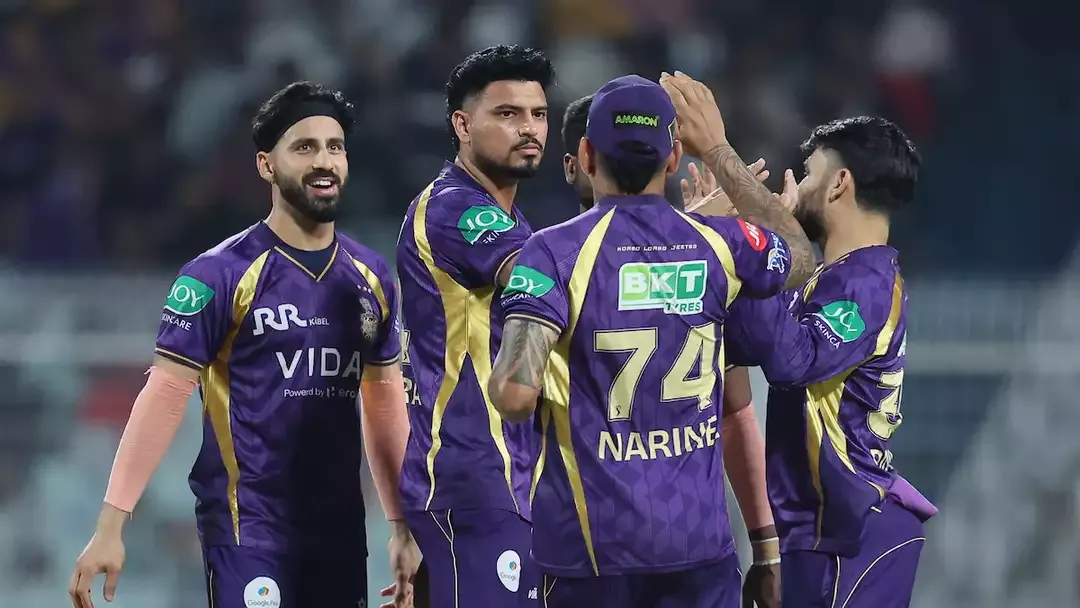
The ongoing struggles of Kolkata Knight Riders in the Indian Premier League highlight deeper structural and operational concerns within the franchise. After six consecutive defeats, KKR now faces a high-pressure encounter against the in-form Rajasthan Royals with minimal recovery time. Injuries to key pacers, delayed availability of overseas players, and an underperforming bowling unit have significantly impacted results. Beyond on-field setbacks, the situation raises questions about squad planning, risk management, and the financial implications of sustained underperformance in one of cricket’s most commercially competitive leagues.
A Campaign Derailed Before Kickoff
Kolkata Knight Riders’ disappointing season trajectory can be traced to pre-tournament disruptions. The absence of frontline pacers Harshit Rana and Akash Deep due to injuries left a critical void in the bowling lineup.
Compounding the issue was the delayed integration of Matheesha Pathirana, whose unavailability disrupted team balance. These early setbacks forced the franchise into reactive decision-making, undermining its ability to establish consistency from the outset.
Pace Bowling Crisis at the Core
At the heart of KKR’s struggles lies a fragile pace attack. The current unit lacks both experience and penetration, resulting in ineffective control during key phases of matches.
While Cameron Green has contributed sporadically with the ball, his role has not compensated for the absence of specialist bowlers. Consequently, KKR’s pace department has emerged as one of the weakest statistically this season, frequently conceding runs under pressure.
This deficiency has not only affected match outcomes but also eroded the team’s ability to compete in high-intensity situations.
Strategic Gaps and Operational Challenges
The franchise’s predicament underscores broader issues in squad composition and contingency planning. In a tournament as demanding as the IPL, depth in critical roles—particularly fast bowling—is essential.
KKR’s reliance on a limited pool of players suggests a gap in strategic foresight. Effective risk mitigation, including backup options and rotation policies, is crucial in sustaining performance across a long season. The absence of such measures has amplified the impact of injuries and player unavailability.
High-Stakes Encounter Against Rajasthan Royals
The upcoming match against Rajasthan Royals presents both a challenge and an opportunity. With less than 48 hours between fixtures, recovery, adaptability, and मानसिक resilience will be key factors.
Rajasthan Royals, known for their balanced squad and consistent performances, enter the contest as clear favourites. For KKR, reversing momentum will require immediate tactical adjustments, particularly in bowling execution and fielding discipline.
Commercial Implications of On-Field Performance
In the IPL’s high-value ecosystem, sporting outcomes are closely tied to financial performance. A prolonged losing streak can adversely affect brand equity, fan engagement, and sponsorship attractiveness.
For a franchise like Kolkata Knight Riders, sustained underperformance risks diminishing its market positioning. Investors and stakeholders closely monitor such trends, as team success directly influences revenue streams, including broadcasting value and merchandise sales.
Conclusion
Kolkata Knight Riders’ winless run is not merely a reflection of poor form but a manifestation of deeper structural shortcomings. As they prepare to face the Rajasthan Royals, the urgency to recalibrate strategy is evident. Addressing deficiencies in squad depth, particularly in the pace department, will be critical not only for salvaging the current season but also for ensuring long-term competitiveness in the IPL’s demanding and commercially driven environment.
Comments