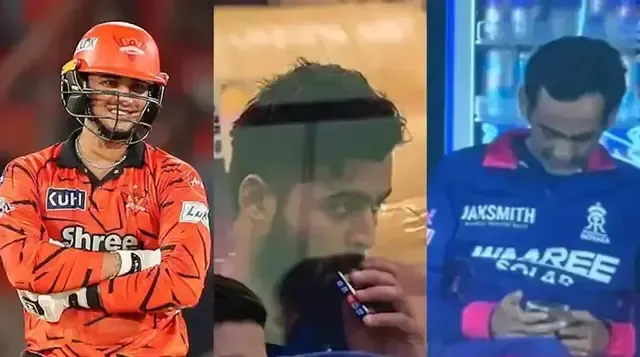
The Indian Premier League 2026 season continues to deliver high-intensity cricket, with frequent high-scoring matches and a tightly contested race for playoff qualification. However, the spectacle has been partially overshadowed by a noticeable rise in disciplinary breaches involving players and team personnel. With 46 of the 70 league-stage matches completed, multiple individuals have already faced sanctions under the Code of Conduct enforced by the Board of Control for Cricket in India. The trend raises broader concerns around governance, professional discipline, and regulatory enforcement within one of the world’s most commercially valuable sporting leagues.
A Season Defined by Entertainment and Competitive Balance
IPL 2026 has largely lived up to its reputation as a premier global cricketing spectacle. Matches have been characterized by aggressive batting, record-breaking scores, and closely fought contests that have kept playoff scenarios wide open.
The competitive parity among franchises has heightened audience engagement and reinforced the league’s commercial appeal. Broadcasters and sponsors continue to benefit from sustained viewership, driven by the tournament’s unpredictable outcomes and entertainment value.
Increasing Focus on Discipline and Compliance
Despite the on-field excitement, the season has seen a parallel rise in disciplinary issues. A growing number of players and support staff have been penalized for violations ranging from minor infractions to breaches of professional conduct standards.
The Board of Control for Cricket in India has responded through stricter enforcement of its Code of Conduct, signaling a more assertive regulatory posture. These actions reflect an effort to maintain discipline within an increasingly high-pressure and commercially driven environment.
Governance Pressures in a High-Stakes Ecosystem
With 46 out of 70 league-stage matches completed, the accumulation of disciplinary cases has drawn attention from administrators and stakeholders alike. While such incidents do not represent systemic failure, their frequency underscores the challenges of managing conduct in a densely scheduled, high-intensity tournament.
The IPL’s governance framework must now balance flexibility with enforcement, ensuring that competitive intensity does not compromise professional standards or institutional credibility.
Commercial Implications of Behavioral Risk
As a multi-billion-rupee sporting property, the IPL’s value is closely tied to its brand integrity. Revenue streams from media rights, sponsorships, and digital platforms depend heavily on maintaining a positive global image.
Disciplinary controversies, even when limited in scope, carry reputational risks that can influence stakeholder confidence. In this context, maintaining strict compliance is not merely procedural but strategically essential for long-term financial sustainability.
Maintaining the Balance Between Intensity and Discipline
One of the defining challenges of modern franchise cricket is managing the tension between high-intensity competition and behavioral discipline. The IPL’s fast-paced format naturally amplifies emotions, which can occasionally lead to lapses in judgment.
Administrators are increasingly focused on strengthening education, enforcement, and preventive frameworks to ensure that professional standards remain intact without diminishing the league’s entertainment value.
A Crucial Phase in IPL’s Institutional Evolution
As IPL 2026 approaches its final league-stage fixtures, the dual narrative of sporting excellence and disciplinary scrutiny is becoming more pronounced. While fans remain focused on playoff permutations and match outcomes, the governing body is equally attentive to regulatory compliance.
The season ultimately highlights a broader truth: the IPL’s continued success depends not only on its ability to deliver world-class cricket but also on its capacity to uphold consistent standards of conduct across all stakeholders.
Comments