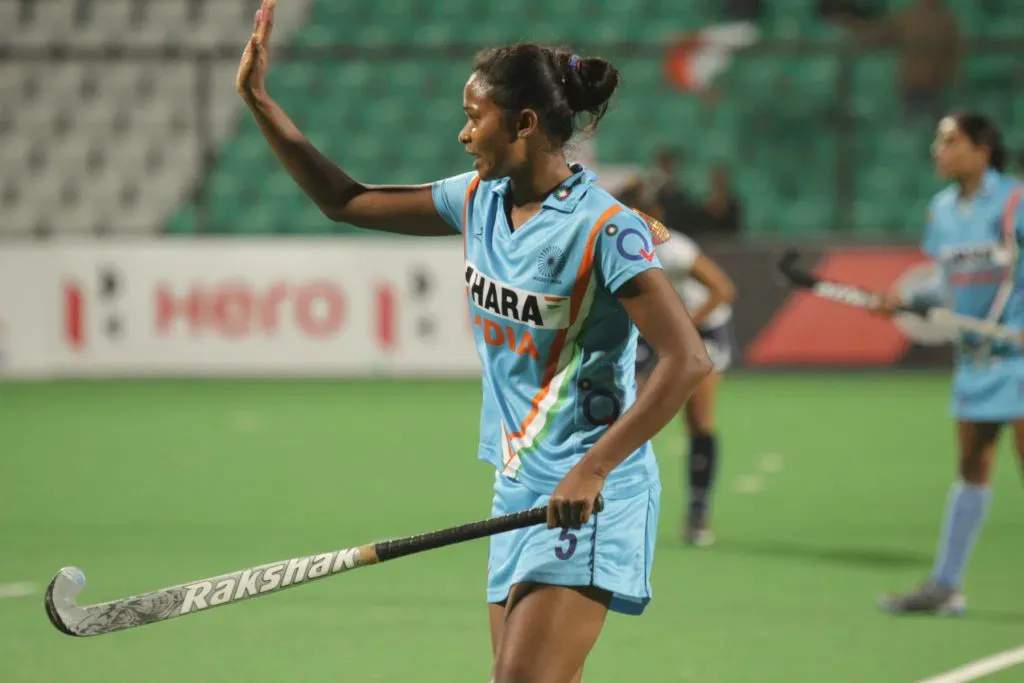
India’s men’s and women’s hockey teams are preparing for a high-stakes international stretch, beginning with the Hockey World Cup in the Netherlands and Belgium from August 15 to 30, followed closely by the Asian Games in Japan from September 19 to October 4. The compressed schedule presents both opportunity and risk, demanding peak physical conditioning and strategic squad rotation. With global rankings, sponsorship exposure, and medal ambitions on the line, the dual campaign underscores India’s intent to reclaim prominence in international hockey while navigating the financial and operational pressures associated with elite, multi-tournament competition.
A Demanding International Schedule
India’s hockey program is entering a निर्णायक phase with consecutive marquee tournaments shaping its competitive outlook. The Hockey World Cup, to be held across the Netherlands and Belgium from August 15 to 30, will serve as the first major test of form and cohesion for both the men’s and women’s squads.
Less than three weeks later, the focus will shift to the Asian Games in Japan, scheduled from September 19 to October 4. The proximity of these events leaves limited room for recovery, intensifying the importance of preparation and execution.
Performance Metrics and Strategic Stakes
The World Cup represents a critical benchmark in global hockey, offering teams an opportunity to enhance rankings and establish competitive credibility. Strong performances in Europe could significantly improve India’s standing, influencing future tournament seedings and international perception.
The Asian Games, meanwhile, carry a different but equally significant value proposition. Beyond continental prestige, success in the tournament often provides direct pathways to future global competitions, including Olympic qualification cycles. For India, excelling in both events would signal a comprehensive resurgence.
Financial and Commercial Implications
From a business standpoint, the dual tournament schedule creates a high-visibility window for Indian hockey. International competitions attract broadcast deals, sponsorship agreements, and brand endorsements, contributing to revenue generation across the ecosystem.
However, financial returns are closely tied to on-field success. Progression into advanced stages of these tournaments enhances commercial appeal, while early exits may limit revenue potential. For stakeholders, including governing bodies and sponsors, the upcoming calendar represents a critical investment phase with variable returns.
Operational Challenges and Resource Management
The logistical demands of back-to-back tournaments across continents introduce significant operational complexities. Travel, климат adaptation, and recovery cycles will test the resilience of both players and support staff.
Effective squad rotation will be essential to manage fatigue and maintain performance levels. Depth in the playing roster, coupled with robust sports science support, will play a decisive role in sustaining competitiveness across both events.
Broader Impact on Indian Hockey
This period represents more than a sequence of competitions—it is a strategic opportunity to elevate Indian hockey’s global profile. Consistent performances can attract increased investment, strengthen grassroots programs, and expand the sport’s audience base.
In a market where cricket dominates commercial attention, sustained success in hockey could help rebalance the sports economy, creating new avenues for growth and diversification.
Conclusion
India’s upcoming hockey campaign, spanning the World Cup in Europe and the Asian Games in Japan, marks a pivotal chapter for both the men’s and women’s teams. The challenges are substantial, but so are the rewards. Success will depend on a blend of tactical precision, physical endurance, and strategic planning. For Indian hockey, this is not merely a test of skill—it is an opportunity to redefine its position within the global sporting and economic landscape.
Comments