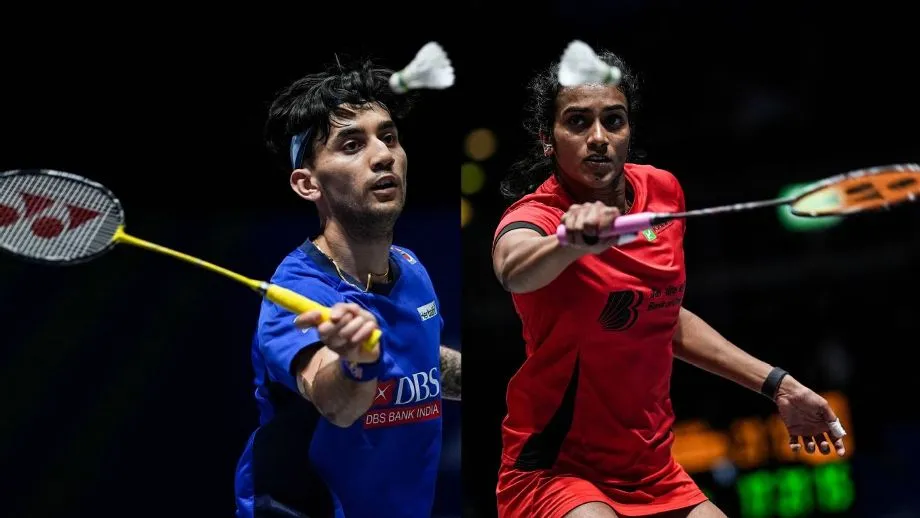
India is preparing for one of its busiest and most strategically important sporting years, with 2026 set to feature a packed schedule of global competitions, including the Commonwealth Games, the Asian Games, and two major world chess championship events. The momentum is already visible in May, a month loaded with tournaments, qualifiers, rankings events, and league competitions across disciplines. As Indian sport becomes increasingly commercialized and globally competitive, the intense calendar reflects the country’s expanding ambitions in international athletics. Analysts believe the coming year could redefine India’s sporting identity while testing the resilience of athletes, administrators, and the country’s rapidly evolving sports infrastructure.
Indian Sport Enters a High-Intensity Competitive Cycle
India’s sporting ecosystem is entering a defining phase as athletes across disciplines prepare for an exceptionally demanding 2026 international calendar.
The year carries substantial importance due to the convergence of several high-profile events, particularly the Commonwealth Games and the Asian Games, both of which are expected to shape India’s global sporting narrative. Simultaneously, the international chess circuit is poised to attract heightened attention with two major world championship competitions scheduled during the year.
The packed calendar represents more than a collection of sporting events. It reflects India’s growing transition into a multi-sport economy where athlete performance, media value, sponsorship activity, and national prestige are becoming increasingly interconnected.
May Schedule Highlights Expanding Sporting Momentum
The intensity of the year has already become visible during May, traditionally one of the most active periods in the Indian sports ecosystem.
A wide range of domestic and international competitions are unfolding simultaneously across cricket, badminton, hockey, athletics, wrestling, shooting, chess, tennis, and boxing. The volume of activity has reinforced the need for centralized sports coverage platforms capable of tracking schedules, results, rankings, and athlete developments in real time.
Sports media consumption patterns are also evolving rapidly. Fans are increasingly engaging with multiple disciplines beyond cricket, contributing to higher digital viewership, stronger streaming numbers, and broader commercial interest across India’s sporting landscape.
This diversification signals a structural shift in audience behavior, with Indian sports gradually developing year-round engagement rather than relying solely on isolated marquee tournaments.
Commonwealth and Asian Games to Define India’s Sporting Ambitions
The Commonwealth Games and the Asian Games remain among the most significant performance indicators for Indian sport.
Historically, these events have functioned as critical benchmarks for evaluating progress in Olympic and non-Olympic disciplines. Medal tallies often influence government funding priorities, corporate sponsorship decisions, and long-term federation planning.
India has steadily improved its international competitiveness through greater investment in athlete preparation, sports science, coaching infrastructure, and high-performance programs. However, expectations have risen alongside investment, placing additional pressure on athletes and administrators to deliver measurable outcomes.
Disciplines such as athletics, badminton, boxing, wrestling, shooting, weightlifting, and hockey are expected to remain central to India’s medal aspirations.
Chess Continues Its Rise as a Mainstream Sporting Asset
Alongside traditional sporting disciplines, chess is expected to occupy a prominent position within India’s 2026 sporting narrative.
The scheduling of two major world championship events reflects the sport’s growing global relevance and India’s expanding influence within the international chess community. Over recent years, the country has emerged as one of the world’s strongest talent-producing nations in chess, driven by a rapidly growing pool of young grandmasters and increased institutional support.
Industry observers note that chess has also become commercially attractive due to the rise of digital streaming platforms, online learning ecosystems, and technology-driven audience engagement.
India’s continued success in the sport could further strengthen its reputation as a global intellectual and sporting powerhouse.
Commercial Expansion Reshaping the Sports Industry
The crowded sporting calendar also highlights the broader commercialization of India’s sports economy.
Over the past decade, rising media rights valuations, corporate sponsorship activity, digital content consumption, and private league expansion have significantly transformed the business of sport in India. Investors are increasingly viewing sports as a scalable entertainment and consumer engagement sector rather than merely a recreational activity.
This evolution has created opportunities across sports technology, athlete management, broadcasting, nutrition, analytics, and performance consulting industries.
However, analysts caution that sustainable growth will depend on strengthening governance standards, improving grassroots infrastructure, and ensuring transparent athlete development systems capable of supporting long-term international competitiveness.
Athlete Management Emerging as a Critical Challenge
The compressed competitive schedule is also raising concerns around athlete workload management and recovery planning.
Modern elite sport places enormous emphasis on physical conditioning, injury prevention, mental resilience, and recovery science. With multiple international events concentrated within a relatively short period, Indian federations may face increasing pressure to manage athlete fatigue and performance cycles more effectively.
Experts believe that high-performance planning could become a decisive factor in determining India’s medal success during 2026. Federations that successfully balance preparation, recovery, and tournament scheduling are likely to gain a competitive advantage.
The growing complexity of modern sports administration is also placing greater importance on data analytics, medical support systems, and performance monitoring technologies.
Indian Sport at a Strategic Turning Point
The scale of the 2026 sporting calendar underscores how dramatically India’s sports ecosystem has evolved in recent years.
What was once a cricket-dominated landscape is increasingly transforming into a broader, commercially dynamic, multi-sport environment supported by institutional investment and expanding fan engagement.
For athletes, the year presents a rare opportunity to elevate India’s global sporting standing. For federations and policymakers, it represents a critical test of administrative efficiency, infrastructure readiness, and long-term strategic planning.
As competitions intensify and expectations continue to rise, one conclusion is becoming increasingly evident: Indian sport is no longer simply participating in global events — it is actively positioning itself as a serious and influential force within the international sporting economy.
Comments