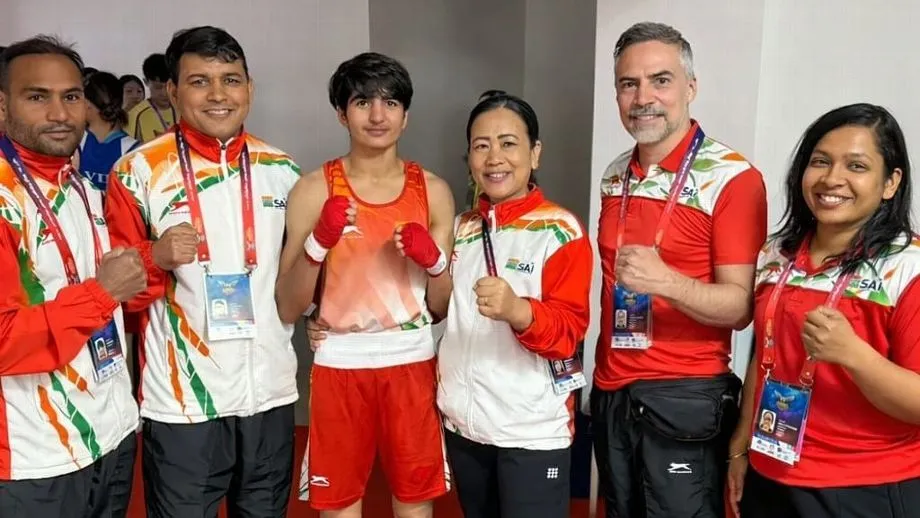
India’s sports ecosystem is entering a defining phase in 2026, characterized by a dense schedule of high-profile tournaments and rising global expectations. With marquee events such as the Commonwealth Games, Asian Games, and two Chess World Championships, the year reflects both competitive ambition and structural growth. April, in particular, exemplifies this momentum with an action-packed calendar across disciplines. As the volume of competitions increases, platforms like ESPN are playing a critical role in delivering real-time updates, analysis, and insights—ensuring stakeholders remain informed in an increasingly dynamic sporting environment.
A Landmark Year for Indian Sports
The trajectory of Indian sports in 2026 reflects a broader shift toward global competitiveness and institutional maturity. The convergence of multiple international events within a single calendar year is not merely coincidental—it underscores a deliberate alignment of talent development, infrastructure readiness, and administrative planning.
The Commonwealth Games and Asian Games are expected to serve as key performance indicators for India’s elite athletes. These events traditionally influence funding flows, sponsorship valuations, and long-term policy decisions. Meanwhile, the inclusion of two Chess World Championships highlights India’s expanding influence in intellectual sports, a domain where the country has cultivated a strong pipeline of globally competitive players.
April’s Packed Calendar: A Snapshot of Intensity
April stands out as one of the most congested months in the 2026 sporting calendar, offering a condensed view of the year’s broader intensity. Multiple tournaments, bilateral competitions, and domestic leagues are scheduled concurrently, creating a high-frequency news cycle.
For athletes, this translates into compressed recovery periods and heightened performance pressure. For fans and analysts, the sheer volume of activity increases the risk of missing critical developments. The need for structured, real-time information dissemination has therefore become more pronounced than ever.
The Economics of Real-Time Sports Coverage
In a rapidly evolving sports ecosystem, information has emerged as a valuable commodity. Media platforms such as ESPN have positioned themselves as central aggregators of sports intelligence—delivering schedules, live scores, expert commentary, and post-event analysis.
This continuous flow of information enhances audience engagement while also creating monetization opportunities through advertising, subscriptions, and digital partnerships. From a business perspective, the integration of real-time data with editorial insights represents a scalable model in an increasingly digital-first media landscape.
Strategic and Commercial Implications
The dense sporting calendar of 2026 carries significant implications for stakeholders across the value chain. For governing bodies, it presents an opportunity to assess operational efficiency and athlete preparedness under high-pressure conditions. For corporate sponsors, the expanded visibility offers a platform to deepen brand engagement and justify marketing expenditures.
Moreover, sustained participation in global competitions is likely to elevate India’s medal prospects, thereby strengthening its reputation as an emerging sporting powerhouse. This, in turn, could attract greater investment into grassroots programs and high-performance training systems.
Conclusion
India’s sporting narrative in 2026 is defined by scale, ambition, and strategic opportunity. With April setting a relentless pace and major international events on the horizon, the year is poised to reshape perceptions of India’s athletic capabilities. In this environment, the role of comprehensive, real-time coverage becomes indispensable—ensuring that every result, milestone, and breakthrough is captured within the broader story of a nation in sporting ascent.
Comments