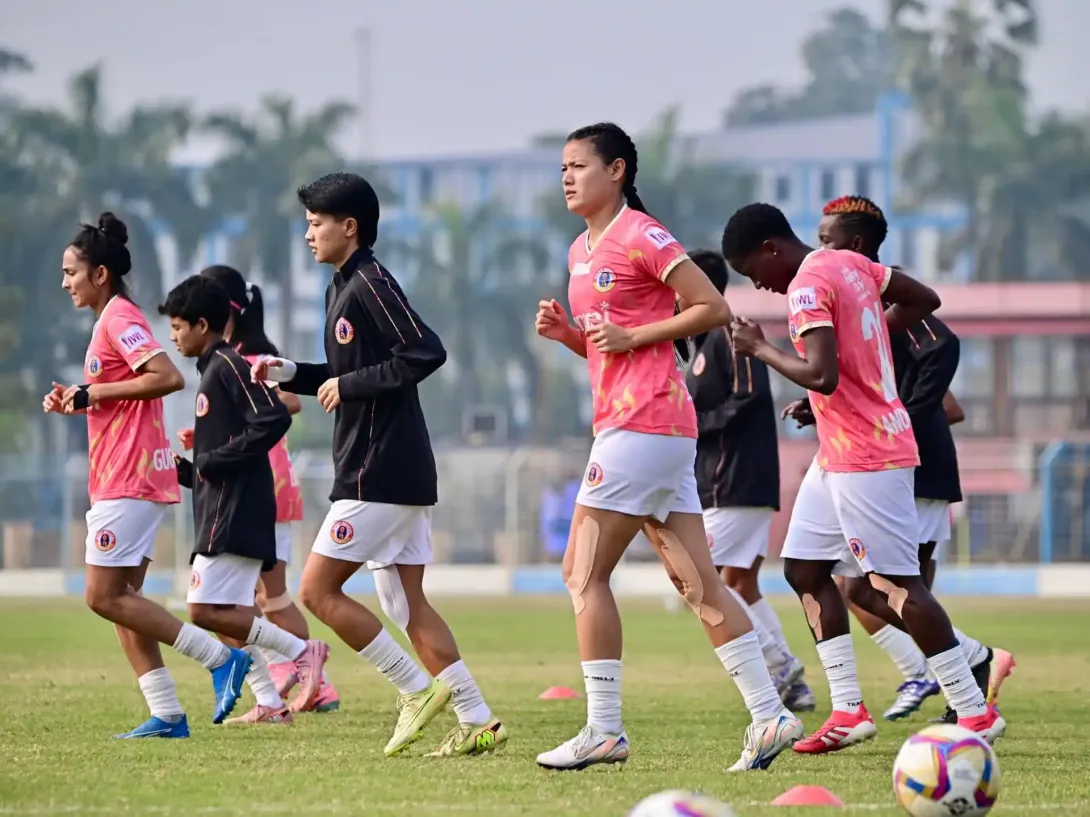
The Indian Women’s League (IWL) 2025–26 is set to resume on April 27 in Kolkata after a strategic three-month hiatus, ushering in a decisive phase that will determine both the championship race and relegation outcomes. With 29 matches scheduled through May 18, the second leg of the double round-robin format promises heightened competition and minimal margin for error. The pause, designed to accommodate national team commitments and international tournaments, reflects a maturing football ecosystem. As the league returns, stakeholders anticipate increased engagement, competitive intensity, and a clearer picture of India’s evolving women’s football landscape.
Phase 2 Marks a Defining Moment in the Season
The Indian Women’s League will recommence its 2025–26 campaign with Phase 2 in Kolkata, setting the stage for a major stretch in the competition.
A total of 29 fixtures will be played between April 27 and May 18, completing the second half of the league’s double round-robin structure. With standings tightly contested, the upcoming matches are expected to decisively influence both title aspirations and relegation outcomes.
Strategic Pause Reflects Alignment with National Priorities
The league’s three-month suspension was a calculated move rather than a disruption. Phase 1, conducted from December 20, 2025, to January 9, 2026, featured 27 matches and established an early competitive hierarchy among the eight participating teams.
The break allowed players to participate in national team commitments, including senior and U20 training camps, alongside India’s campaigns in continental tournaments such as the AFC Women’s Asian Cup and the AFC U20 Women’s Asian Cup. This synchronization highlights an integrated approach to player development and international competitiveness.
Intensifying Competition and Tactical Calculations
As the league resumes, teams face mounting pressure to convert early momentum into sustained performance. The double round-robin format ensures that consistency across both phases is essential for success.
Clubs positioned at the top of the table will aim to consolidate their advantage, while those near the bottom must adopt aggressive strategies to avoid relegation. Key performance indicators—such as goal conversion efficiency, defensive organization, and squad rotation—are expected to play a decisive role in determining final standings.
Commercial Momentum and Growth Trajectory
The resumption of the league is also significant from a financial and commercial perspective. A condensed schedule featuring high-stakes matches is likely to enhance audience engagement, increase broadcast viewership, and attract greater sponsorship interest.
As women’s football continues to gain traction in India, the league serves as a critical platform for brand visibility and investment. For stakeholders, including corporate sponsors and governing bodies, sustained engagement with the IWL represents a long-term opportunity to capitalize on a rapidly expanding sports segment.
Conclusion
The restart of the Indian Women’s League 2025–26 signals more than just the continuation of a season—it marks the beginning of a defining chapter in India’s women’s football narrative. With competitive stakes at their peak and structural alignment with national priorities, the coming weeks will shape both immediate outcomes and the long-term trajectory of the sport.
Comments