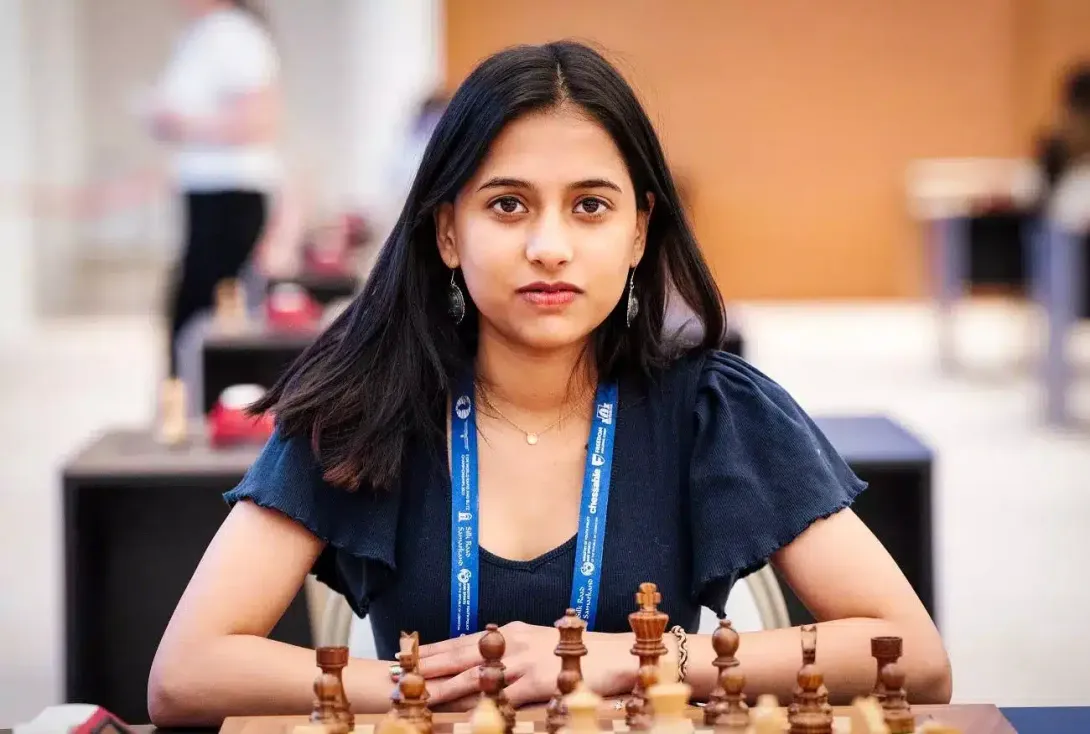
India’s campaign at the FIDE Candidates Tournament 2026 entered a pivotal stage in Round 4 as Rameshbabu Praggnanandhaa and Rameshbabu Vaishali secured composed draws in tightly contested matches, maintaining stability in the standings. Meanwhile, Divya Deshmukh faced her first setback in the women’s section, highlighting the intense competitiveness of the tournament. With the first rest day approaching, the results underscore the razor-thin margins that characterize elite-level chess. India’s representatives remain firmly in contention, reflecting both the depth of the nation’s emerging chess talent and the strategic discipline required at the highest levels of global competition.
India’s Strategic Position in the Candidates Tournament
The FIDE Candidates Tournament is widely regarded as one of the most demanding events in the global chess calendar. It determines the challenger for the World Chess Championship, attracting the strongest grandmasters from around the world.
India’s participation this year reflects the country’s remarkable rise in international chess over the past decade. Young grandmasters such as Praggnanandhaa and Vaishali have emerged as prominent figures within the global chess ecosystem, symbolizing a new generation of technically advanced and strategically disciplined players.
Round 4 of the tournament offered a snapshot of both opportunity and challenge, as Indian competitors navigated complex positions against some of the world’s most formidable opponents.
Praggnanandhaa Demonstrates Tactical Discipline
Praggnanandhaa, widely regarded as one of the brightest talents in modern chess, delivered a measured performance to secure a draw in his fourth-round encounter. Known for his creative opening preparation and tactical sharpness, the young grandmaster approached the match with calculated restraint.
By neutralizing potential threats and maintaining positional balance throughout the game, he ensured that the contest concluded without major material imbalance. Such results, while not always spectacular, are often strategically valuable in long tournaments where consistency and risk management play decisive roles.
His ability to maintain composure against elite opposition continues to reinforce his reputation as a formidable competitor on the world stage.
Vaishali Maintains Stability in a Competitive Field
In the women’s section, Vaishali also secured a steady draw, demonstrating strong defensive awareness and positional judgment. Her game reflected careful planning and a willingness to prioritize stability over unnecessary risk.
Maintaining equilibrium in a tournament of this caliber is frequently as significant as securing victories. Every half-point contributes to a player’s standing, particularly in the early rounds when competitors are still establishing their rhythm and assessing their rivals’ strategies.
Vaishali’s performance keeps her firmly within the competitive mix as the tournament approaches its first rest day.
Divya Deshmukh Faces a Challenging Moment
While Praggnanandhaa and Vaishali maintained stability, Divya Deshmukh encountered her first defeat in the women’s competition. Despite a determined effort, she was unable to convert promising positions into a favorable outcome against a highly skilled opponent.
Such setbacks are not uncommon in elite tournaments, where the margin between victory and defeat can be defined by a single positional miscalculation. For emerging players like Divya, the experience of facing world-class competition offers invaluable lessons that contribute to long-term development.
Observers within the chess community emphasize that resilience following difficult results often defines the trajectory of a player’s career.
The Business and Global Impact of India’s Chess Rise
India’s growing presence at tournaments like the FIDE Candidates reflects a broader transformation within the country’s chess ecosystem. Over the past decade, increased investment in coaching infrastructure, digital training tools, and international competition exposure has produced a new wave of elite players.
This success has also attracted corporate sponsorship, media coverage, and institutional support, transforming chess into a more commercially viable sport. As Indian players achieve higher global rankings, they contribute to expanding the sport’s audience and strengthening the nation’s reputation in intellectual sports.
The Candidates Tournament therefore represents not only a competitive arena but also a strategic platform for showcasing India’s evolving chess excellence.
Looking Ahead to the Tournament’s Next Phase
With the first rest day approaching, players will have an opportunity to reassess strategies and recover from the intense mental demands of the opening rounds. For India’s representatives, the coming stages will require a careful balance between ambition and caution.
The early results suggest that the competition remains wide open, with every point carrying significant implications for the final standings. As the tournament progresses, Praggnanandhaa, Vaishali, and Divya will seek to convert preparation and resilience into stronger results.
For fans and analysts, India’s continued presence in this elite chess arena serves as a testament to the country’s rapidly expanding influence in the global intellectual sports landscape.
Comments