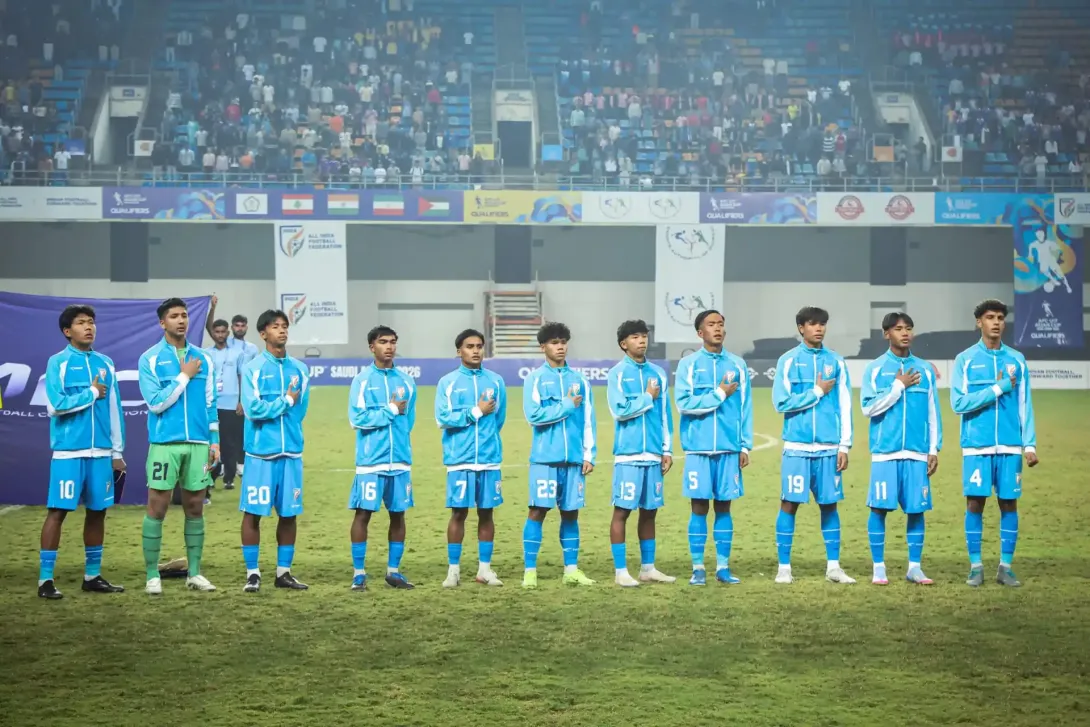
India’s U-17 football team is intensifying preparations for the AFC U-17 Asian Cup through a series of closed-door international friendlies, reflecting a calculated and performance-driven approach. With limited exposure at the youth level, these matches provide a crucial platform to refine tactics, assess player readiness, and simulate high-pressure conditions. Drawn into a competitive group alongside established footballing nations, India faces a demanding test at the continental stage. The structured preparation underscores a broader evolution in Indian football, where strategic planning and youth development are increasingly aligned with long-term performance goals and global competitive standards.
Strategic Friendlies as a Preparation Tool
India’s U-17 football program is leveraging closed-door matches as a key component of its pre-tournament strategy. These fixtures, conducted without public attendance, allow coaching staff to experiment with formations, evaluate player combinations, and simulate match-day scenarios in a controlled environment.
In high-performance sport, such targeted preparation is critical. It enables teams to focus on tactical refinement and performance analytics without external distractions. For India, where international exposure at the youth level remains limited, these friendlies serve as a valuable substitute for competitive match experience.
Addressing the Exposure Gap
One of the persistent challenges in Indian youth football is the scarcity of consistent international competition. As a result, each preparatory match carries heightened significance. The current approach reflects an understanding that quality, rather than quantity, of exposure can drive meaningful improvement.
From a development perspective, these matches act as both evaluation tools and rehearsal platforms. Coaches can identify technical gaps, test adaptability, and build cohesion within the squad. This structured methodology aligns with global best practices in youth football development.
Group D: A Test of Tactical and Mental Strength
India’s placement in Group D of the AFC U-17 Asian Cup presents a formidable challenge. The team is set to compete against Australia, Uzbekistan, and North Korea, all of whom possess well-established youth development systems.
The tournament, scheduled in Jeddah, will demand a high level of tactical discipline, physical endurance, and psychological resilience. For India, success will depend not only on technical ability but also on the capacity to execute game plans under pressure.
Youth Development and Long-Term Vision
The emphasis on structured preparation highlights a broader shift in Indian football’s strategic outlook. Increasingly, the focus is on building a sustainable pipeline of talent capable of competing at international levels.
Investment in coaching frameworks, sports science, and international exposure is gradually reshaping the ecosystem. These initiatives aim to create a foundation for long-term success, ensuring that players transition effectively from youth to senior levels.
From a business standpoint, improved performance in youth tournaments can enhance the sport’s commercial appeal, attracting sponsorships and institutional support while strengthening the overall football economy.
Tactical Refinement and Squad Optimization
Closed-door fixtures also provide an opportunity for detailed performance analysis. Coaching staff can experiment with different tactical setups, assess player roles, and refine combinations without the constraints of competitive pressure.
This approach reflects a data-driven mindset increasingly prevalent in modern sport. By focusing on measurable performance indicators, teams can make informed decisions that enhance overall efficiency and competitiveness.
Conclusion: Preparation as a Strategic Investment
As India prepares for the AFC U-17 Asian Cup, the emphasis on controlled preparation and tactical refinement underscores a maturing football ecosystem. While the challenges in Group D are significant, the structured approach offers a pathway to improved performance.
In contemporary sport, preparation is not merely a precursor to competition—it is a strategic investment. For India’s U-17 team, these friendlies represent an opportunity to convert potential into performance on one of Asia’s most demanding stages.
Comments