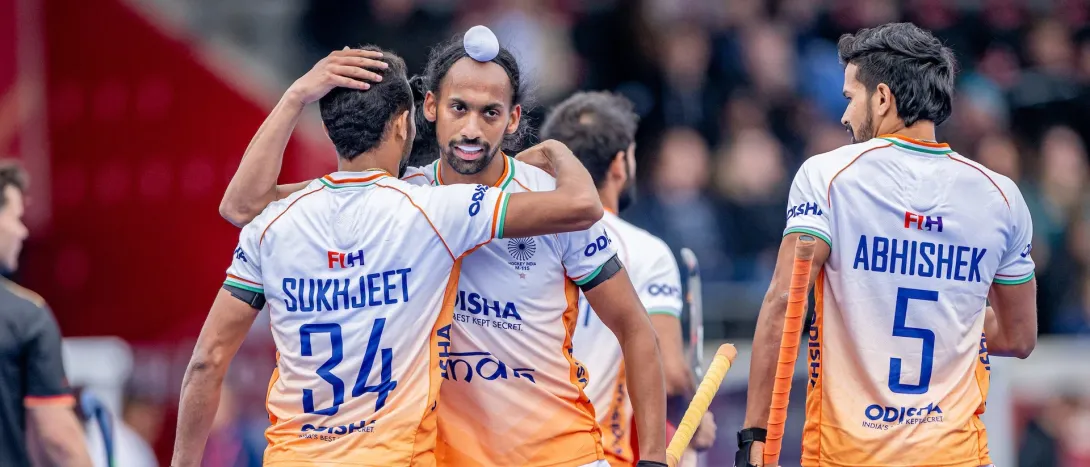
India’s national hockey program has entered an intensive preparation phase as the ongoing coaching camp sharpens focus on tactical cohesion, physical conditioning, and match-simulation exercises. With a demanding international calendar ahead—including the European leg of the FIH Pro League, the World Cup, and the Asian Games—the camp is designed to optimize team performance and readiness. Special emphasis is being placed on building rhythm, refining on-field combinations, and enhancing squad depth. The goalkeeping unit, blending experienced players with emerging talent, highlights a balanced approach to continuity and future planning within India’s evolving high-performance sports framework.
Strategic Build-Up to a Demanding International Calendar
The current training initiative led by Hockey India reflects a calculated approach to managing a high-stakes competitive cycle. With marquee tournaments such as the FIH Pro League 2025–26, the Hockey World Cup, and the Asian Games approaching, the emphasis has shifted toward aligning tactical frameworks with global benchmarks.
This period is critical not only for physical preparedness but also for ensuring adaptability across varying match conditions and opposition strategies.
Focus on Tactical Cohesion and Match Simulation
At the core of the camp lies a structured emphasis on tactical integration. Players are being trained to operate within clearly defined systems, ensuring fluid coordination between defense, midfield, and attack. Match-simulation sessions replicate real-game scenarios, allowing the coaching staff to assess decision-making under pressure.
Conditioning modules complement these efforts, targeting endurance, agility, and recovery efficiency—key factors in sustaining performance during congested tournament schedules.
Strengthening Depth and Team Chemistry
Beyond immediate readiness, the camp is designed to build long-term squad resilience. By rotating players across roles and experimenting with combinations, the management aims to cultivate versatility and depth—attributes essential for navigating injuries, fatigue, and tactical adjustments during major competitions.
This forward-looking approach mirrors global best practices, where depth and adaptability are central to sustained success.
Goalkeeping Department Anchors Defensive Stability
A significant highlight of the camp is the composition of the goalkeeping unit. Experienced campaigners such as Krishan Bahadur Pathak, Suraj Karkera, and Pawan provide reliability and match-tested composure.
Alongside them, emerging prospects like Mohith Honnenahalli Shashikumar and Princedeep Singh represent the next generation of talent. This blend of experience and youth fosters internal competition while ensuring continuity in a position critical to match outcomes.
Commercial and Structural Implications
From a broader perspective, India’s methodical preparation underscores the increasing professionalization of hockey as a commercially viable sport. Strong performances in global tournaments enhance brand value, attract sponsorship investments, and expand audience engagement.
A well-prepared national team also strengthens the credibility of governing institutions, reinforcing India’s position within the international hockey ecosystem and contributing to long-term economic growth in the sports sector.
Conclusion
As India prepares for a packed international season, the ongoing coaching camp reflects a disciplined and strategic approach to performance excellence. By integrating tactical refinement, physical conditioning, and talent development, Hockey India is laying the groundwork for sustained competitiveness. The effectiveness of this preparation will soon be tested on the global stage, but the current framework signals a clear ambition—to compete at the highest level with consistency, depth, and resilience.
Comments