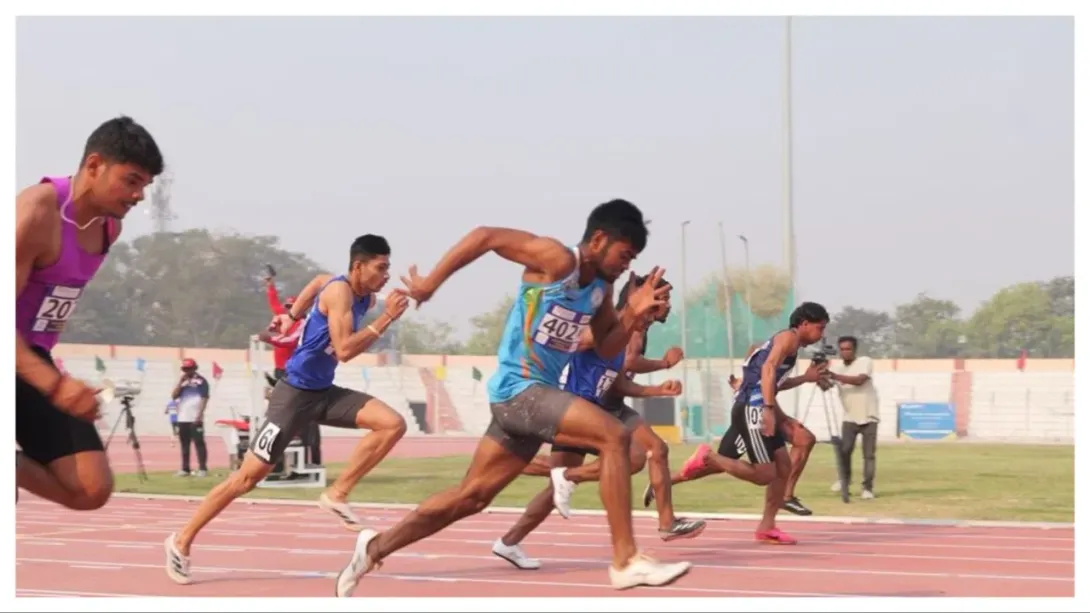
India’s athletics framework is entering a phase of intensified global oversight after the Athletics Integrity Unit (AIU) labeled the country a high-risk jurisdiction for doping violations. The decision follows data showing India among the top two nations with the highest number of anti-doping rule breaches between 2022 and 2025. As a result, the Athletics Federation of India (AFI) has been reclassified into Category A, triggering stricter compliance protocols, increased testing, and enhanced monitoring. The move carries far-reaching implications, not only for athletes and administrators but also for India’s sporting credibility, commercial partnerships, and long-term investment outlook.
AIU Flags Elevated Doping Risk in India
The Athletics Integrity Unit has tightened its regulatory grip on Indian athletics, citing an “extremely high” risk of doping violations. This classification places India under increased international scrutiny, requiring athletes and governing bodies to adhere to more rigorous testing standards and compliance measures.
The AIU’s action reflects broader concerns within global athletics governance regarding recurring infractions and systemic vulnerabilities in certain national ecosystems, with India now firmly in focus.
AFI Moved to Category A: A Critical Shift
In a significant escalation, the Athletics Federation of India has been upgraded from Category B to Category A—the highest risk classification under the AIU’s monitoring framework. This designation is reserved for countries where doping violations are considered both frequent and structurally concerning.
The reclassification was driven by data indicating India’s position among the top two countries globally in anti-doping rule violations during the 2022–2025 period. Such a shift automatically triggers enhanced surveillance, stricter reporting obligations, and closer international oversight.
Operational Impact on Athletes and Institutions
For Indian athletes, the implications are immediate and demanding. Increased out-of-competition testing, tighter whereabouts requirements, and more frequent biological monitoring will become standard practice. While these measures are essential to ensure fair play, they also introduce greater compliance burdens and operational discipline.
Administratively, the AFI must now strengthen its governance architecture—ranging from education programs and compliance audits to transparent reporting mechanisms. The margin for regulatory lapses has effectively narrowed, placing accountability at the forefront of institutional priorities.
Commercial and Investment Implications
Beyond the playing field, the AIU’s decision carries material consequences for India’s sports economy. Sponsorship agreements, endorsement deals, and international event hosting rights are deeply tied to credibility and regulatory compliance.
A high-risk classification may temper investor confidence in the short term, potentially impacting commercial inflows. However, it also creates a framework for reform. If effectively addressed, stricter compliance could enhance long-term trust, positioning India as a more reliable and transparent market for global sports investment.
A Defining Moment for Indian Athletics
India’s elevation to Category A represents more than a regulatory adjustment—it signals a critical inflection point. The challenge lies in converting external pressure into internal reform, fostering a culture that prioritizes integrity alongside performance.
This phase of heightened scrutiny, while demanding, offers an opportunity to rebuild institutional credibility, strengthen athlete education, and align with global best practices in anti-doping governance.
Conclusion
The AIU’s latest directive underscores the urgency of reform within Indian athletics. As the country navigates stricter anti-doping regulations, the path forward will depend on sustained compliance, transparent governance, and cultural change. Successfully addressing these challenges could not only restore confidence but also unlock new avenues for growth, ensuring that India’s athletic ambitions are matched by integrity and global respect.
Comments