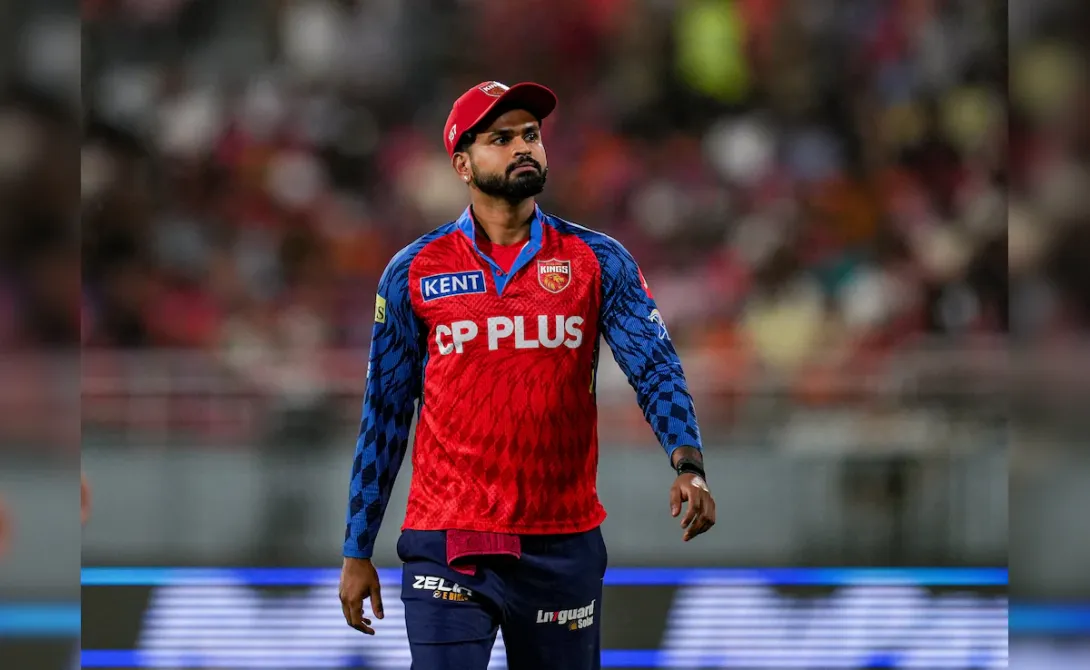
India’s cricketing structure is undergoing a strategic evolution as the Board of Control for Cricket in India (BCCI) considers building a 30–35 player pool to field two competitive T20 teams simultaneously. The move is driven by the Indian Premier League’s consistent production of match-ready talent and the growing complexity of the international calendar. With overlapping commitments—most notably the Asian Games coinciding with a T20 series against the West Indies—selectors are being forced to rethink conventional squad frameworks. The initiative reflects a broader shift toward depth, flexibility, and resource optimization in one of the world’s most commercially powerful cricket ecosystems.
Expanding Beyond the Traditional Squad Model
The Board of Control for Cricket in India is actively evaluating a structural shift in team composition, moving beyond the traditional reliance on a fixed core group of players. The proposed 30–35 player pool would enable India to simultaneously deploy two competitive T20 squads, ensuring continuity in performance despite scheduling overlaps.
This forward-looking approach signals a departure from legacy selection models, aligning with the realities of modern cricket’s congested calendar and global commitments.
IPL as a High-Performance Talent Engine
Central to this strategic rethink is the sustained success of the Indian Premier League, which has evolved into a premier talent incubator. The league consistently produces players who are not only technically proficient but also conditioned to perform under high-pressure, high-visibility environments.
This steady influx of match-ready cricketers has expanded the selection base, giving administrators the confidence to consider parallel squads without compromising competitive standards.
Managing Overlapping International Commitments
India’s cricket calendar is becoming increasingly complex, with multiple tournaments and bilateral series often scheduled concurrently. A key challenge this year is the overlap between the Asian Games and a T20 series against the West Indies.
Such scheduling conflicts necessitate a scalable squad structure. By maintaining a larger pool of players, selectors can allocate resources efficiently, ensuring that both teams remain competitive while minimizing player fatigue and injury risks.
Performance, Depth, and Strategic Flexibility
From a performance standpoint, the dual-squad model enhances depth and resilience. It allows emerging players to gain international exposure while preserving the workload of established stars. Additionally, it creates a competitive internal ecosystem, where players must consistently perform to retain their place within the expanded pool.
This flexibility is particularly valuable in T20 cricket, where adaptability and rapid decision-making are critical to success.
Commercial and Economic Implications
The expansion of India’s player pool carries significant economic upside. A broader roster of internationally active players increases brand visibility, drives fan engagement, and opens new avenues for sponsorship and endorsements.
Given the commercial scale of Indian cricket, such a model not only strengthens on-field performance but also amplifies the sport’s financial ecosystem. The integration of IPL-driven talent into international strategy further reinforces the league’s role as a cornerstone of cricket’s global economy.
Challenges and Governance Considerations
Despite its advantages, the dual-squad approach presents operational challenges. Maintaining team cohesion, ensuring consistent leadership, and managing player expectations will require robust governance frameworks.
Selectors and coaching staff will need to strike a balance between rotation and stability, ensuring that both squads maintain identity and competitive edge.
Conclusion
India’s consideration of a dual T20 squad model reflects a transformative moment in its cricketing strategy. By leveraging its deep talent pool and the developmental strength of the Indian Premier League, the Board of Control for Cricket in India is positioning itself to navigate the complexities of modern scheduling while sustaining global dominance. If executed effectively, this approach could redefine team management paradigms and set a new benchmark for international cricket.
Comments