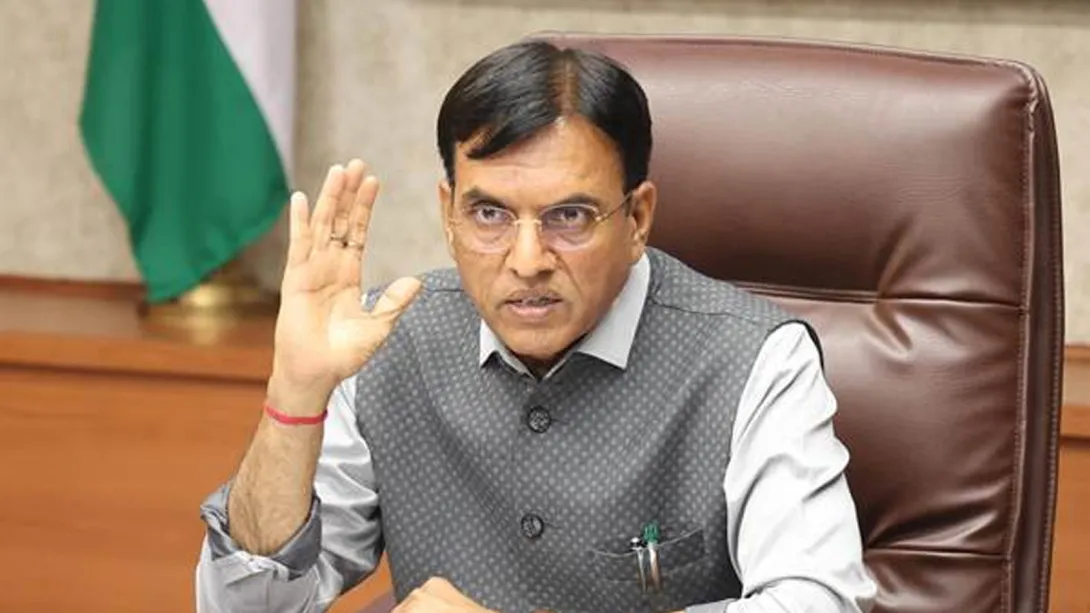
India has initiated an intensified preparation strategy for the 2026 Commonwealth Games after Union Sports Minister Mansukh Mandaviya chaired a high-level review meeting focused on the nation’s readiness for the Glasgow event. The discussions emphasized stronger coordination among sports institutions and a more athlete-centric framework to improve India’s competitive prospects. Senior representatives from the Ministry of Youth Affairs and Sports, the Indian Olympic Association, and the Sports Authority of India participated in the deliberations, reflecting the government’s growing focus on structured sports governance and performance planning. The review signals India’s broader ambition to strengthen its global sporting profile through institutional efficiency, scientific athlete support, and long-term competitive development.
Government Intensifies Preparations for Glasgow 2026
India’s roadmap for the 2026 Commonwealth Games has entered a more focused phase following a strategic review chaired by Union Minister for Youth Affairs and Sports Mansukh Mandaviya.
The meeting, held on Thursday, assessed the country’s level of preparedness for the Commonwealth Games scheduled to take place in Glasgow in 2026. The discussions centered on strengthening coordination among key sports institutions while ensuring that athlete welfare and performance remain at the core of India’s planning process.
Senior officials from the Ministry of Youth Affairs and Sports participated in the review alongside representatives from the Indian Olympic Association and the Sports Authority of India, including the designated Chef de Mission for the Games.
The broad participation highlighted the government’s intention to create a unified and performance-oriented approach ahead of one of the world’s major multi-sport events.
Athlete-Centric Model Takes Priority in India’s Strategy
A central theme of the review meeting was the need to adopt a more athlete-focused preparation system for India’s Commonwealth Games campaign.
Officials discussed measures aimed at improving coordination between administrative agencies, coaching teams, and sports science units to ensure athletes receive uninterrupted support throughout the preparation cycle.
India’s sports ecosystem has increasingly embraced the idea that international success depends not only on talent but also on comprehensive athlete management systems that include nutrition, recovery, mental conditioning, medical support, and international exposure.
The latest discussions reflected an effort to align India’s sporting administration with global best practices followed by leading Olympic nations.
Sports analysts believe that an athlete-centric model can significantly improve performance consistency, particularly in multi-disciplinary events where logistical efficiency and preparation quality often determine medal outcomes.
Institutional Coordination Seen as Essential to Competitive Success
The review also emphasized the importance of stronger institutional synchronization between government agencies and sports bodies.
In previous international cycles, coordination challenges between federations, administrative authorities, and support teams occasionally affected preparation timelines and athlete readiness. Officials now appear determined to minimize such gaps through earlier planning and centralized monitoring mechanisms.
The presence of senior representatives from the Indian Olympic Association and Sports Authority of India signaled a coordinated attempt to streamline decision-making processes and strengthen accountability.
Experts argue that such integration is increasingly critical as elite international sport becomes more data-driven, technologically advanced, and operationally complex.
The government’s proactive review process suggests a shift toward long-term strategic planning rather than short-term event-based preparation.
Commonwealth Games Continue to Hold Strategic Value
Despite the growing global focus on Olympic competition, the Commonwealth Games remain an important platform for India’s sporting ambitions.
The event has historically produced strong results for Indian athletes across disciplines such as wrestling, badminton, boxing, athletics, weightlifting, and table tennis. Success at the Commonwealth level often serves as a confidence-building stage ahead of larger international tournaments, including the Asian Games and Olympics.
For policymakers and sports administrators, Glasgow 2026 represents more than a medal opportunity. It is also viewed as a key test of the country’s evolving sports development framework and administrative efficiency.
Strong performances at major multi-sport events are increasingly linked to a nation’s sporting credibility, commercial appeal, and international sporting influence.
India’s Sports Governance Undergoing Structural Transformation
The latest review meeting reflects the broader transformation taking place within India’s sports administration ecosystem.
Over recent years, the government has increased investments in high-performance training, sports science infrastructure, grassroots talent identification, and athlete welfare initiatives. Corporate partnerships and private-sector involvement have also contributed to the professionalization of several Olympic disciplines.
Analysts believe these structural changes are gradually helping India transition from sporadic international success to a more sustainable and system-driven sporting model.
The emphasis on coordination, accountability, and athlete support ahead of the Commonwealth Games indicates that Indian sports governance is becoming increasingly modernized and performance-oriented.
Glasgow 2026 Could Define India’s Next Sporting Phase
As the countdown to the Commonwealth Games begins, India’s preparation strategy is expected to intensify across sporting disciplines over the coming months.
Although officials did not publicly discuss medal targets during the review meeting, the tone of the discussions suggested a clear ambition to improve India’s competitive standing at the Games.
The focus on athlete welfare, institutional efficiency, and long-term planning reflects a growing recognition that sustained international success requires far more than isolated talent.
For India, Glasgow 2026 could become another defining step in its effort to establish itself as a consistently competitive force in global multi-sport events.
Comments