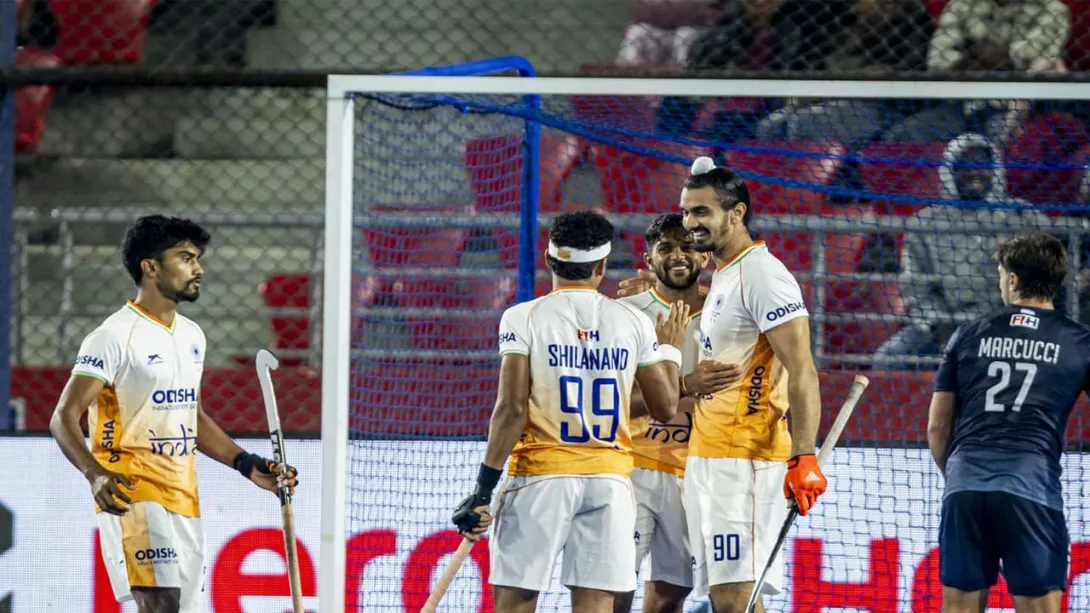
India’s hockey administration is evaluating a dual-team strategy for two major tournaments scheduled within a narrow three-week window later this year. With the Asian Games offering a direct qualification route to the Los Angeles 2028 Olympics, it is expected to take precedence over the Hockey World Cup. Hockey India is considering deploying separate squads to manage workload and maximize competitive outcomes. The move reflects a calculated approach to resource allocation, athlete performance optimization, and long-term strategic planning within India’s evolving sports management framework.
Strategic Prioritization in a Compressed Calendar
Faced with an unusually tight আন্তর্জাতিক schedule, Hockey India is contemplating a pragmatic solution to a complex logistical challenge. The proximity of the Asian Games and the Hockey World Cup—separated by just three weeks—has forced administrators to reassess traditional selection strategies.
The Asian Games hold particular significance due to their direct qualification pathway to the Los Angeles 2028 Olympics, making them a high-stakes priority. This structural incentive has effectively elevated the continental tournament above the World Cup in immediate strategic importance.
Dual-Team Model: Balancing Performance and Fatigue
The proposal to field separate teams reflects a growing emphasis on sports science and athlete welfare. Competing in two high-intensity tournaments within such a short span poses significant risks, including fatigue, injury, and diminished performance levels.
By splitting the squad, Hockey India aims to ensure that its top खिलाड़ियों remain physically and mentally primed for the Asian Games, while also maintaining a competitive presence at the World Cup. This approach mirrors practices seen in elite global sporting systems, where depth in talent is leveraged to navigate congested schedules.
Olympic Qualification: The Ultimate Objective
At the core of this decision lies a singular objective—securing a berth at the Los Angeles 2028 Olympics. Direct qualification through the Asian Games offers a more certain and strategically efficient route compared to alternative qualification pathways.
This prioritization underscores a shift in mindset within Indian sports governance, where long-term goals are increasingly shaping short-term tactical decisions. The focus is no longer solely on winning titles but on optimizing pathways to global platforms.
Financial and Commercial Considerations
Beyond sporting outcomes, the decision carries notable economic implications. Participation in both tournaments ensures continued visibility for sponsors, broadcasters, and commercial partners. However, prioritizing the Asian Games aligns more closely with long-term revenue potential, given the global exposure associated with Olympic participation.
A successful qualification campaign could unlock significant financial upside, including increased sponsorship deals, enhanced media rights valuations, and higher athlete endorsement opportunities—all measured in multi-crore (Rs.) growth for the sport.
Depth of Talent and Institutional Confidence
The feasibility of a dual-team strategy also reflects growing confidence in India’s hockey talent pool. The ability to field two competitive squads indicates a strengthening domestic pipeline, supported by improved training infrastructure and talent identification programs.
This depth is critical not only for immediate tournament success but also for sustaining India’s position in international hockey over the long term.
Conclusion
Hockey India’s consideration of a split-squad strategy highlights a sophisticated, forward-looking approach to sports management. By prioritizing Olympic qualification through the Asian Games while maintaining competitiveness at the World Cup, India is aligning tactical decisions with strategic ambitions. As the countdown to the Los Angeles 2028 Olympics intensifies, such calculated moves could prove निर्णायक in shaping the nation’s global sporting trajectory.
Comments