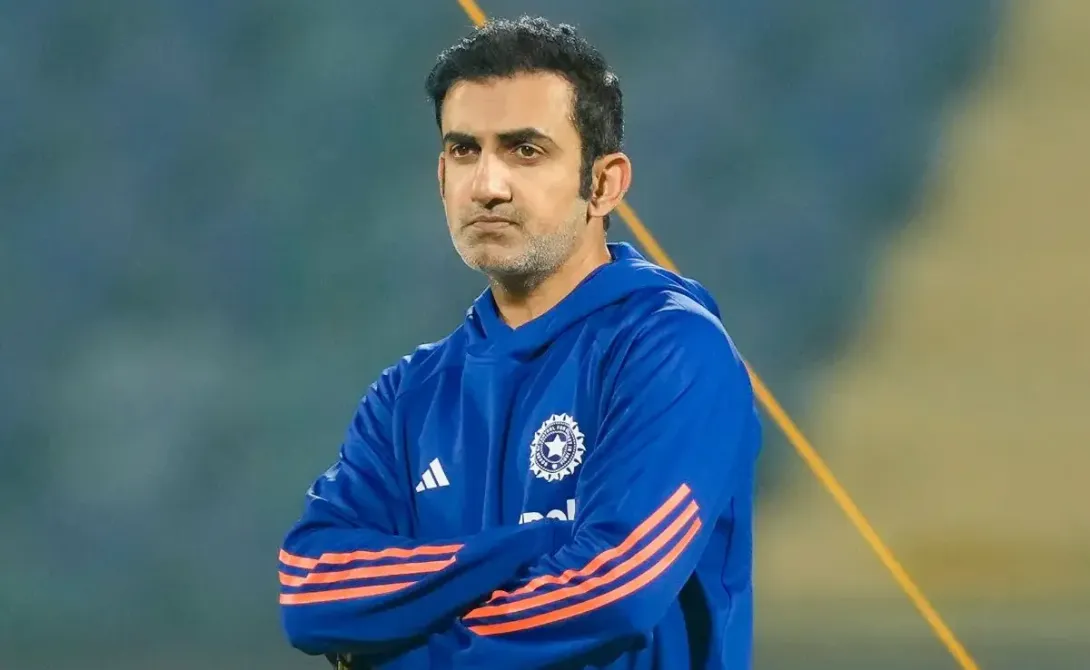
Gautam Gambhir has once again found himself at the center of debate after former India cricketer Atul Wassan questioned his aggressive personality and leadership methods. Wassan claimed that Gambhir’s “ego operates at a different level” and suggested that certain members of the Indian cricket setup are uncomfortable with his management style, although he declined to identify any players. The remarks have reignited conversations surrounding Gambhir’s confrontational public image, his leadership philosophy, and his long-discussed relationship with Virat Kohli. The episode reflects broader discussions around authority, communication, and player management in the evolving ecosystem of modern international cricket.
Gambhir Remains One of Indian Cricket’s Most Divisive Personalities
Few figures in Indian cricket command as much admiration and controversy simultaneously as Gautam Gambhir.
Widely celebrated for his contributions to India’s major ICC triumphs and his reputation as a fiercely competitive cricketer, Gambhir has also remained one of the sport’s most polarizing personalities. His outspoken nature and uncompromising attitude have often divided opinion among fans, commentators, and former players.
That debate intensified again after Atul Wassan publicly commented on Gambhir’s leadership style and personality.
Wassan described Gambhir’s ego as being “on a different level” and suggested that some members within the Indian setup are reportedly dissatisfied with aspects of his approach to team management. While Wassan did not reveal the identities of any players, the remarks immediately fueled speculation regarding internal dressing-room dynamics.
The former cricketer also revisited Gambhir’s past confrontations with Virat Kohli, further amplifying public attention around the issue.
Competitive Aggression Has Always Defined Gambhir
Gambhir’s cricketing identity was built around relentless competitiveness and emotional intensity.
During his playing career, he established himself as one of India’s most dependable performers in pressure situations, producing crucial innings during India’s victories in major ICC tournaments. His reputation as a mentally resilient cricketer earned widespread respect across the sport.
However, Gambhir’s fiery temperament often attracted equal attention.
Whether confronting opponents on the field or expressing strong opinions off it, he consistently projected an uncompromising persona. Supporters viewed that aggression as evidence of leadership, discipline, and commitment to excellence. Critics, however, occasionally interpreted it as excessive rigidity and confrontation.
That same personality now appears central to the ongoing debate surrounding his approach to leadership and management.
Modern Cricket Increasingly Demands Different Leadership Skills
The controversy surrounding Gambhir also highlights the evolving nature of leadership within modern professional sport.
Contemporary cricket environments differ significantly from those of previous decades. Today’s elite teams operate under constant media scrutiny, commercial pressure, and intense scheduling demands. As a result, leadership expectations now extend beyond tactical expertise and competitive aggression.
Successful managers are increasingly expected to demonstrate emotional intelligence, communication skills, and adaptability alongside technical competence.
Sports management experts frequently argue that modern dressing rooms function most effectively when authority is balanced with collaboration and interpersonal understanding. Strong personalities can inspire high standards, but they can also create friction if communication breaks down.
In Gambhir’s case, critics suggest his confrontational intensity may not resonate equally with every player in a modern team environment. Supporters, however, argue that elite sport requires uncompromising standards and emotional toughness to sustain success.
The divide reflects a broader global conversation about leadership culture across professional sports.
Virat Kohli Dynamic Continues to Shape Public Narrative
Any discussion involving Gambhir inevitably revives memories of his complicated relationship with Virat Kohli.
The two prominent figures have shared several high-profile confrontations over the years, particularly during matches in the Indian Premier League. Those incidents generated enormous public attention and became symbolic of the intense competitive culture surrounding Indian cricket.
Although both individuals have occasionally attempted to move beyond those episodes, the rivalry remains deeply embedded in cricket discourse.
Wassan’s recent comments revisiting those clashes have once again triggered speculation regarding personal equations within Indian cricket’s leadership structure. However, analysts caution against overstating disagreements between highly competitive athletes operating under extreme professional pressure.
Such rivalries, while publicly amplified, are not uncommon in elite sport.
Indian Cricket’s Expanding Commercial Ecosystem Raises Expectations
The debate also reflects the growing complexity of leadership within Indian cricket’s rapidly expanding commercial ecosystem.
Over the last two decades, Indian cricket has evolved into one of the world’s most financially powerful sporting industries. Massive broadcasting revenues, franchise leagues, sponsorship investments, and digital engagement have transformed the sport into a high-stakes professional enterprise.
In such an environment, team management now involves balancing performance expectations with player welfare, media narratives, brand responsibilities, and dressing-room stability.
Leadership styles that may once have been accepted unquestioningly are now examined far more critically by players, administrators, and audiences alike.
Gambhir’s assertive approach therefore exists within a sporting landscape that increasingly prioritizes communication and psychological balance alongside competitiveness.
Polarising Leaders Often Leave Lasting Sporting Legacies
Despite the criticism, many within cricket continue to view Gambhir as an influential figure whose intensity helped shape winning cultures.
Sporting history is filled with highly demanding personalities who divided opinion while simultaneously driving teams toward success. Strong leadership often creates discomfort precisely because it challenges complacency and raises expectations.
Supporters of Gambhir argue that his aggressive personality stems from an uncompromising desire to win rather than personal ego alone.
Critics, meanwhile, maintain that modern team environments require greater flexibility and collaborative leadership to sustain harmony over long periods.
The ongoing discussion surrounding Gambhir ultimately reflects a larger philosophical divide about how elite teams should be managed in contemporary sport.
Debate Around Gambhir Unlikely to Fade Anytime Soon
As Indian cricket continues navigating a period of structural evolution and heightened scrutiny, conversations around leadership personalities are expected to remain prominent.
Gautam Gambhir’s legacy already extends far beyond his achievements as a player. He has become one of the sport’s most influential and debated public figures — admired for his competitiveness, respected for his accomplishments, yet frequently questioned for his methods and demeanor.
The latest comments from Atul Wassan have once again brought those tensions into public focus.
Whether regarded as an uncompromising winner or an excessively intense personality, Gambhir continues to occupy a unique and powerful position within Indian cricket’s public imagination — one that ensures discussions surrounding his leadership style are unlikely to disappear anytime soon.
Comments