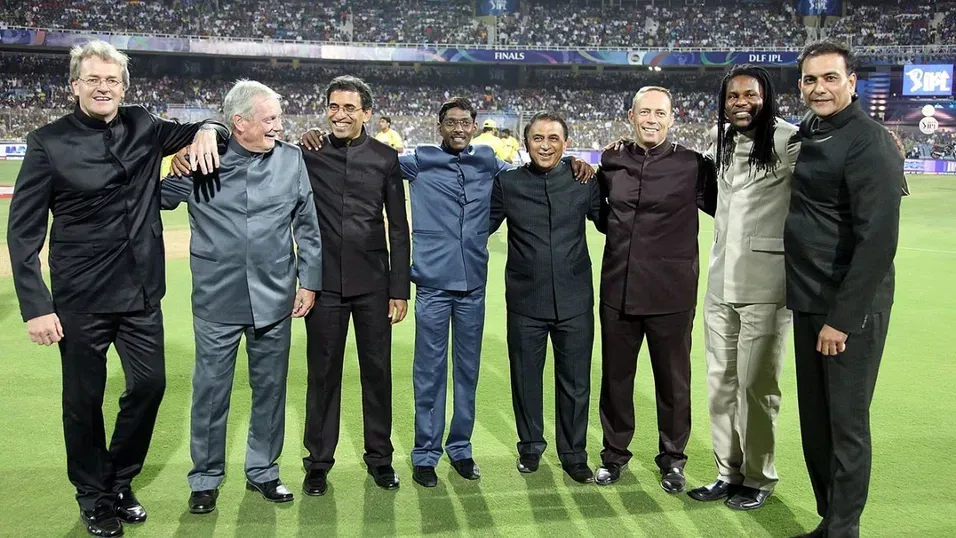
A debate over racism and professional conduct in cricket commentary has intensified after remarks involving former India leg-spinner Laxman Sivaramakrishnan drew criticism online. The veteran cricketer and broadcaster rejected accusations that his comments were racially insensitive, stating that his observations were strictly rooted in cricketing analysis. The controversy has sparked wider discussions about the responsibilities of commentators in the era of global sports broadcasting and social media scrutiny. As competitions like the Indian Premier League attract increasingly diverse audiences, analysts say broadcasters must balance candid opinions with cultural awareness and professional accountability.
Controversy Surrounds Cricket Commentary
The cricket broadcasting ecosystem has recently been stirred by allegations of racism directed at former Indian international Laxman Sivaramakrishnan. The former leg-spinner, who built a prominent career as a television commentator following his playing days, faced criticism after remarks during a cricket discussion were interpreted by some observers as culturally insensitive.
The controversy gained momentum across social media platforms, where excerpts from commentary segments circulated widely. Critics argued that certain phrases reflected problematic undertones, while supporters maintained that the remarks were being taken out of context.
As the debate intensified, the incident highlighted how commentary in modern cricket—particularly during high-profile tournaments—has become subject to immediate and intense public scrutiny.
Sivaramakrishnan Rejects Allegations
Responding to the criticism, Laxman Sivaramakrishnan firmly denied that his statements were motivated by racial bias. He emphasized that his commentary was intended as professional cricket analysis and not as a reflection of personal prejudice.
According to the former cricketer, commentators are expected to offer honest assessments of player performance, team strategies, and tactical decisions. In such discussions, he noted, direct observations are sometimes necessary and should not automatically be interpreted as discriminatory.
His response underscored the importance of evaluating commentary within its full context rather than isolating short excerpts from longer conversations.
The Expanding Role of Cricket Commentators
In contemporary cricket, commentators occupy a powerful position within the sport’s global media ecosystem. High-profile leagues such as the Indian Premier League have transformed match broadcasts into major entertainment productions, reaching millions of viewers across continents.
Within this environment, analysts are expected to provide insight that goes beyond play-by-play narration. Their role includes interpreting strategy, evaluating player form, and shaping public understanding of the game.
However, the growing influence of commentary also brings heightened expectations regarding professional conduct and cultural sensitivity, particularly in a sport followed by diverse audiences around the world.
Social Media and the Amplification Effect
A defining feature of modern sports discourse is the speed with which controversies can escalate online. A brief comment during a live broadcast can be clipped, shared, and debated by millions of viewers within minutes.
For commentators such as Laxman Sivaramakrishnan, this digital amplification creates a complex environment. While social media allows analysts to connect with fans directly, it also increases the risk that remarks may be interpreted differently once removed from their original context.
Media experts argue that this dynamic has fundamentally changed the nature of sports commentary, requiring broadcasters to exercise greater caution in phrasing and tone.
A Broader Conversation About Accountability in Sports Media
The controversy surrounding Laxman Sivaramakrishnan has evolved into a broader discussion about responsibility in sports broadcasting. As cricket expands its global footprint—driven by tournaments like the Indian Premier League—the standards expected of commentators continue to evolve.
Industry observers suggest that maintaining credibility in modern sports media requires a balance between candid analysis and thoughtful communication. Commentators must remain insightful and critical while ensuring their language does not inadvertently alienate segments of the audience.
Ultimately, the episode reflects the changing realities of cricket’s media landscape. In an age where commentary can instantly become part of a global conversation, the responsibility carried by broadcasters has never been greater.
Comments