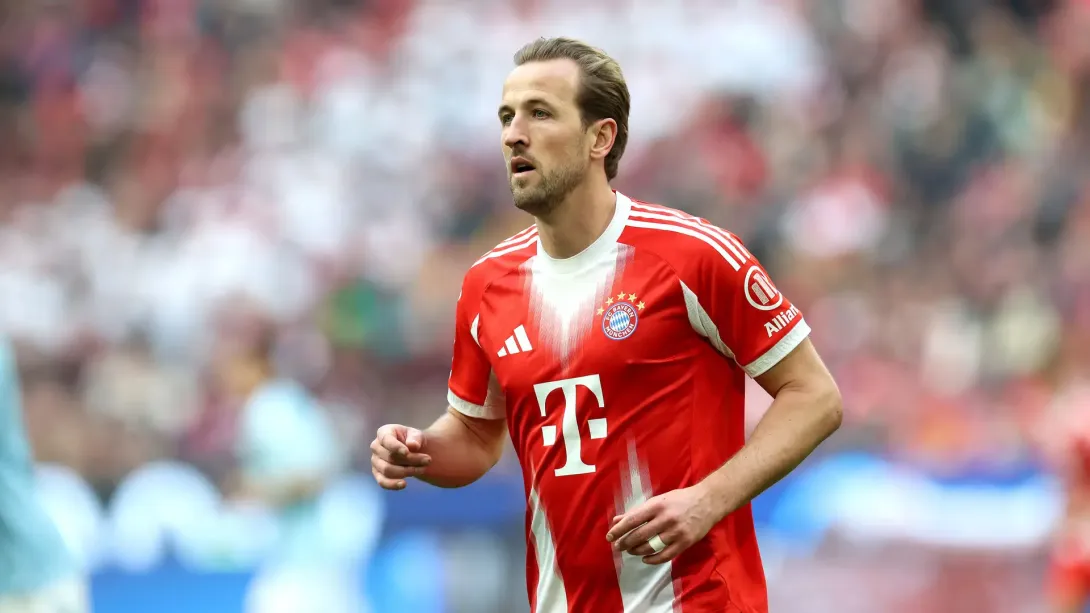
This week, European football witnessed key developments involving Bayern Munich, Real Madrid, and Harry Kane, highlighting the interplay of performance, strategy, and financial considerations. Bayern Munich continued its domestic and continental campaign with calculated squad management, demonstrating operational depth. Real Madrid displayed tactical precision, consolidating its pursuit of La Liga dominance. Simultaneously, Harry Kane remains central to performance analytics and transfer speculation, reflecting his commercial and sporting value. These developments illustrate how elite clubs and marquee players drive global football markets, where strategic decisions carry significant revenue, brand, and reputational implications.
Bayern Munich: Operational Excellence and Strategic Depth
Bayern Munich has strategically rotated its squad to maintain peak performance across Bundesliga and UEFA Champions League fixtures. The club’s approach integrates advanced performance analytics, injury prevention protocols, and tactical flexibility.
Financially, consistent success reinforces Bayern Munich’s robust revenue streams, including sponsorship contracts, broadcasting rights, and merchandise sales, collectively generating multi-crore inflows annually. This alignment of sporting excellence with financial stability exemplifies how top-tier clubs balance competitive ambitions with long-term commercial sustainability.
Real Madrid: Tactical Precision and Brand Leverage
Real Madrid has leveraged strategic squad management to maintain competitive dominance in La Liga. Managerial decisions reflect an emphasis on cohesion, talent development, and tactical versatility, enabling the club to adapt to evolving match scenarios while safeguarding long-term objectives.
Beyond the pitch, Real Madrid’s performance directly affects brand equity, global fan engagement, and multi-crore revenue streams from sponsorship and broadcasting deals. The club exemplifies how operational decisions in elite football are deeply intertwined with financial outcomes.
Harry Kane: Performance Metrics and Market Influence
Harry Kane continues to attract attention for both his goal-scoring consistency and potential transfer movements. Kane’s on-field impact directly enhances merchandising opportunities, sponsorship alignment, and media visibility, reflecting his dual contribution as a competitive asset and commercial brand.
His market valuation, running into several crores of rupees, underscores the financial stakes of high-profile players. Clubs monitor his performance not only for tactical advantage but also for strategic planning and long-term revenue optimization.
Integrating Competition and Financial Strategy
The latest developments highlight how top European clubs operate as sophisticated enterprises where tactical, operational, and financial decisions converge. Bayern Munich and Real Madrid illustrate the model where success on the field drives both revenue generation and brand growth, while marquee players like Kane amplify market reach and commercial influence.
This ecosystem underscores the importance of strategic foresight, risk management, and brand positioning in sustaining long-term competitiveness in global football.
Conclusion: European Football as a Multi-Crore Enterprise
Bayern Munich, Real Madrid, and Harry Kane exemplify how elite football functions as a high-value, commercially intensive ecosystem. Decisions on squad management, player development, and market engagement carry significant financial and reputational consequences.
As clubs navigate competitive demands and commercial imperatives, strategic alignment between performance and finance becomes essential, reinforcing football’s evolution into a multi-crore enterprise with global influence and high-stakes investment dynamics.
Comments