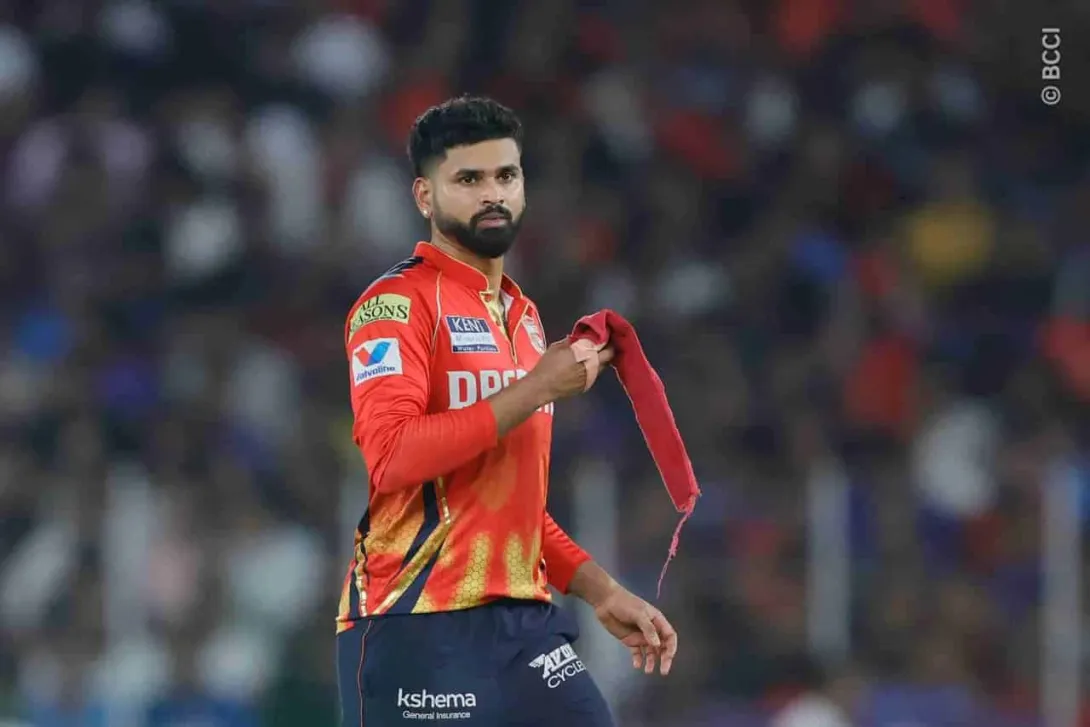
Cricket commentator and former international player Aakash Chopra has reignited discussion around the leadership credentials of Shreyas Iyer following recent performances in the Indian Premier League. Chopra’s analysis focused on whether Iyer receives adequate recognition for his tactical contributions as captain in franchise cricket. As teams increasingly rely on strategic leadership in the fast-paced T20 format, the conversation reflects a broader reassessment of how captains influence team outcomes. The debate underscores the evolving role of leadership in the IPL, where tactical intelligence, squad management and brand value often intersect with performance on the field.
Aakash Chopra Highlights Captaincy Recognition
Former India cricketer and widely followed analyst Aakash Chopra recently sparked renewed discussion over the captaincy influence of Shreyas Iyer.
Speaking during a media analysis segment, Chopra suggested that Iyer’s leadership contributions may not always receive the same level of recognition as those of other high-profile captains in the Indian Premier League. According to Chopra, leadership impact in the T20 format often extends beyond visible match moments and includes subtle strategic decisions that shape outcomes over the course of a season.
His comments quickly gained attention among fans and analysts, prompting a broader conversation about leadership credit in franchise cricket.
Shreyas Iyer’s Evolution as a Leader
Over the past few seasons, Shreyas Iyer has steadily developed a reputation as a composed and tactically astute captain. Known for his calm demeanor and clear communication with teammates, he has demonstrated the ability to manage both experienced players and emerging talent.
In the high-pressure environment of the IPL, where decisions must be made quickly and conditions can change rapidly, such leadership qualities are particularly valuable.
Observers often highlight Iyer’s ability to maintain strategic clarity while encouraging aggressive cricket—an approach well suited to the fast-paced dynamics of the T20 format.
Leadership in the Modern IPL Era
The Indian Premier League has evolved into one of the most competitive tournaments in world sport. Teams operate in a high-stakes environment shaped by large financial investments, global media attention and intense fan expectations.
Within this context, the captain’s role extends beyond on-field tactics. Modern franchise leaders must manage player workloads, maintain dressing-room cohesion and collaborate with coaching staff to execute long-term strategies.
Analysts argue that captains who successfully balance these responsibilities often play a decisive role in shaping a team’s overall performance.
The Media Narrative Around Captains
In contemporary sports media, recognition of leadership frequently depends on narrative momentum. Captains of championship-winning teams or those associated with global superstar players often receive greater visibility.
Chopra’s remarks suggest that leadership contributions from other captains—including Shreyas Iyer—may occasionally be underappreciated in public discourse.
This dynamic highlights the role media analysis plays in shaping perceptions of leadership within professional sport.
Strategic Value for Franchises
From a business perspective, captaincy decisions can significantly influence a franchise’s brand identity. In leagues like the IPL, captains often become the public face of the team, representing it in press conferences, marketing campaigns and sponsor engagements.
A successful leader therefore contributes not only to match results but also to the broader commercial ecosystem surrounding the franchise.
For players like Shreyas Iyer, consistent leadership performance can enhance both personal brand value and long-term career prospects within the league.
Looking Ahead in Franchise Cricket
As the IPL continues to expand its global influence, discussions about leadership recognition are likely to remain a prominent feature of cricket analysis. Voices such as Aakash Chopra play an important role in shaping these conversations by encouraging deeper examination of tactical and managerial contributions.
For Shreyas Iyer, the ongoing debate serves as both validation of his growing leadership reputation and a reminder of the high expectations placed on captains in modern T20 cricket.
Ultimately, how Iyer continues to guide his team in future seasons may determine whether he becomes one of the defining leaders of the IPL era.
Comments