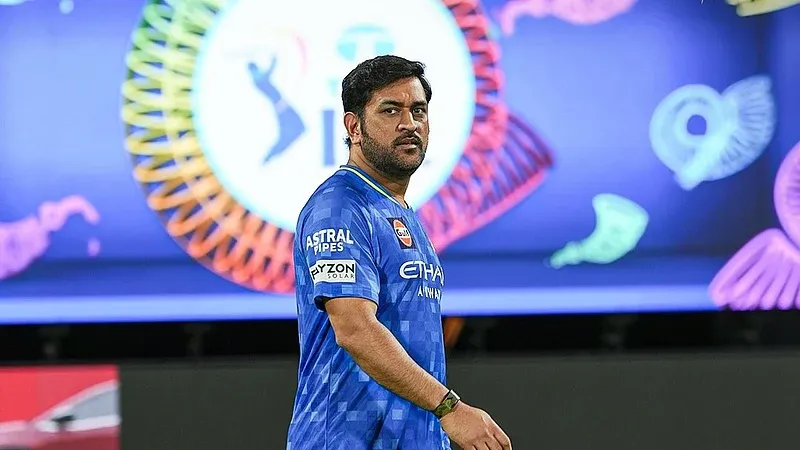
The latest fixture between Chennai Super Kings and Punjab Kings in the Indian Premier League highlighted the intricate balance between financial investment and on-field execution. With player contracts often exceeding Rs. 10 crore, every performance carries both sporting and economic implications. The match underscored CSK’s strategic discipline and PBKS’s aggressive but inconsistent approach. As playoff pressures intensify, such contests are not merely about points but about sustaining brand value, fan engagement, and return on investment in one of the world’s most commercially sophisticated sporting leagues.
Match Overview: Strategy Meets Execution
In a tournament defined by razor-thin margins, the CSK versus PBKS clash offered a compelling study in tactical clarity. Chennai Super Kings executed their game plan with precision, leveraging experience and structured gameplay to maintain control across key phases.
Punjab Kings, while demonstrating moments of attacking brilliance, struggled to sustain momentum. Their approach reflected a high-risk, high-reward philosophy, which, although entertaining, exposed vulnerabilities under pressure.
Financial Stakes Behind Every Delivery
The IPL is not merely a cricket tournament—it is a multi-billion-rupee enterprise where team strategies mirror corporate investment models. Franchise owners allocate substantial capital during auctions, often committing upwards of Rs. 8 crore to Rs. 15 crore for elite players.
In this context, the CSK squad’s reliance on seasoned performers illustrates a preference for stability and predictable returns. PBKS, conversely, has invested in explosive talent, aiming to maximize upside potential despite inherent volatility. This divergence in investment philosophy was evident throughout the match.
Leadership and Decision-Making Dynamics
Leadership once again proved decisive. CSK’s captaincy reflected composure, situational awareness, and calculated decision-making—traits that have historically defined the franchise’s success.
PBKS adopted a more fluid leadership approach, experimenting with field placements and batting orders. While innovative, such decisions require flawless execution, which remained inconsistent during critical junctures.
Performance Metrics and Competitive Impact
From a performance analytics perspective, CSK’s efficiency in strike rotation, death-over bowling, and fielding discipline created measurable advantages. These micro-efficiencies often translate into macro outcomes in T20 cricket.
PBKS showed strength in power-hitting metrics but lagged in maintaining run-rate stability across innings. This inconsistency continues to affect their standings and net run rate—key determinants in playoff qualification scenarios.
Commercial Implications and Brand Equity
High-profile encounters like CSK vs PBKS significantly influence the IPL’s commercial landscape. Sponsorship valuations, broadcast rights, and digital streaming metrics tend to spike during such fixtures.
CSK’s established legacy ensures consistent brand equity, while PBKS continues to position itself as a dynamic, evolving franchise. For stakeholders, these matches serve as critical touchpoints for audience engagement and revenue generation.
Conclusion: A Microcosm of Modern Cricket Economics
The contest between Chennai Super Kings and Punjab Kings encapsulates the evolving intersection of sport and finance. Success in the IPL is no longer determined solely by talent but by how effectively franchises manage resources, analyze data, and execute under pressure.
As the league progresses, such encounters will continue to shape both the competitive hierarchy and the broader economic narrative of cricket as a global business enterprise.
Comments