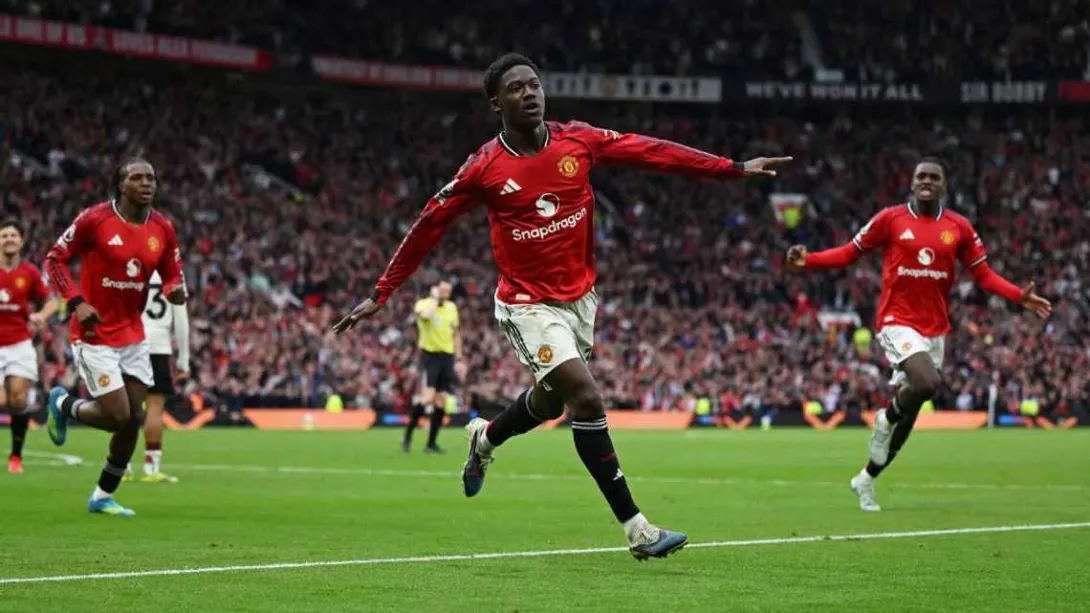
Michael Carrick has emerged as a leading managerial contender after guiding Manchester United to a decisive 3-2 victory over Liverpool, securing qualification for the UEFA Champions League. Since taking interim charge in January, Carrick has delivered 32 points from 14 matches, underscoring a period of stability and tactical clarity. The result not only strengthens United’s competitive standing but also amplifies discussions around Carrick’s potential permanent appointment, as the club weighs continuity against long-term strategic planning.
Defining Victory at Old Trafford
Manchester United’s narrow yet crucial win over Liverpool at Old Trafford has proven pivotal in reshaping the club’s season. The 3-2 result confirmed United’s return to the UEFA Champions League, a milestone with both sporting and commercial significance.
Liverpool, led by Arne Slot, presented a formidable challenge, but United’s composure in key moments ultimately secured the outcome. The match highlighted the fine margins that define elite football, where execution under pressure often determines success.
Carrick’s Rise from Interim to Contender
Since replacing Ruben Amorim in January, Carrick has overseen a notable turnaround. Accumulating 32 points from 14 games, the 44-year-old has delivered results that rival some of the league’s most established managers.
Carrick’s understated response—describing leadership as “natural”—reflects a quiet confidence rooted in experience. A former United midfielder, he has leveraged his familiarity with the club’s ethos to instill discipline and coherence within the squad.
Tactical Discipline and Leadership Style
Under Carrick’s stewardship, Manchester United have demonstrated improved structural balance. The team’s ability to transition efficiently between defense and attack has been a defining feature of this resurgence.
Equally important has been Carrick’s leadership approach. Rather than imposing drastic changes, he has emphasized incremental improvements, fostering trust within the dressing room. This measured strategy has contributed to consistent performances during a critical phase of the season.
Financial Upside of Champions League Qualification
Qualification for the UEFA Champions League carries significant economic implications. Participation in Europe’s premier club competition enhances revenue streams through broadcasting rights, sponsorship agreements, and matchday earnings, often translating into substantial financial gains.
For Manchester United, this development strengthens its financial position while reinforcing its global brand. The return to elite European competition also improves the club’s ability to attract top-tier talent, creating a virtuous cycle of sporting and commercial growth.
Strategic Decision Looms for Club Leadership
Carrick’s impressive record has inevitably positioned him as the frontrunner for the permanent managerial role. His ability to deliver results under pressure, combined with his deep institutional knowledge, makes a compelling case for continuity.
However, the decision extends beyond immediate performance. Club leadership must evaluate long-term objectives, weighing Carrick’s success against alternative managerial profiles. The outcome will shape Manchester United’s trajectory in both domestic and European competitions.
A Turning Point for Manchester United
As the season concludes, Manchester United finds itself at a critical juncture. Carrick’s interim tenure has provided stability and renewed momentum, setting the stage for future ambitions.
In modern football, where managerial changes are frequent and often disruptive, Carrick’s rise offers a contrasting narrative—one defined by continuity, composure, and results. Whether this translates into a permanent appointment remains to be seen, but his impact is already undeniable.
Comments