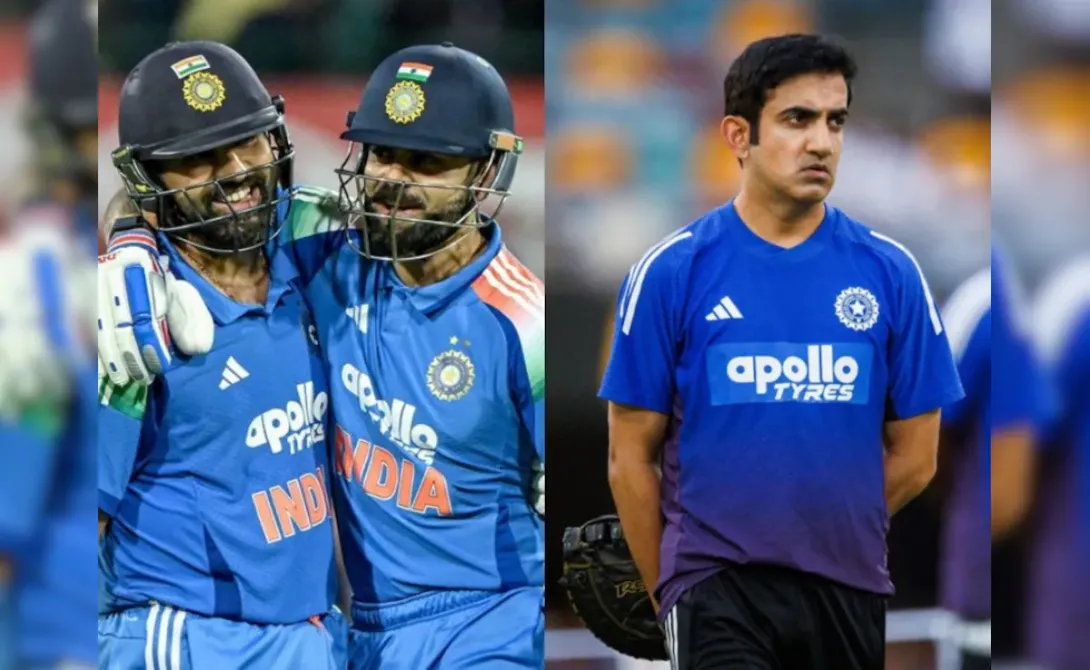
Indian cricket’s leadership structure has come under renewed scrutiny after former fast bowler Munaf Patel cautioned the Board of Control for Cricket in India (BCCI) against dismissing head coach Gautam Gambhir. Gambhir, appointed following India’s 2024 T20 World Cup triumph under Rahul Dravid, has overseen a tenure marked by mixed results across formats. The debate has intensified amid broader transition challenges within the national team, including the Test retirements of senior stalwarts. The situation highlights growing tensions between performance expectations, long-term planning, and administrative decision-making in Indian cricket.
Rising Debate Over Coaching Continuity
The position of head coach Gautam Gambhir has become a focal point of discussion within Indian cricket administration. Appointed after the country’s 2024 T20 World Cup success, he succeeded Rahul Dravid with expectations of sustaining India’s dominance across formats while managing a generational transition.
However, fluctuating performances in subsequent series have sparked debate regarding whether continuity or restructuring is the more effective path forward.
Munaf Patel’s Intervention Raises Stakes
Former India pacer Munaf Patel has publicly warned the BCCI of potential “consequences” should it decide to remove Gambhir from his position. His remarks underscore concerns within sections of the cricketing community about excessive instability in leadership roles.
Patel’s stance reflects a broader argument that frequent changes in coaching personnel can disrupt team cohesion, hinder long-term strategy execution, and negatively affect player development pathways.
Transition Phase in Indian Cricket
The Gambhir era coincides with a significant transitional period in Indian cricket. The departure of senior figures such as Rohit Sharma and Virat Kohli from Test cricket has accelerated the need for structural rebuilding and squad restructuring.
This generational shift has placed additional pressure on the coaching framework, which is now tasked with balancing immediate competitive demands with long-term team evolution.
Performance Expectations Versus Structural Reality
Since taking over, Gautam Gambhir has overseen a mixed set of results across formats. While there have been moments of success, inconsistency has fueled scrutiny from analysts and stakeholders.
Modern coaching evaluations extend beyond win-loss records, incorporating factors such as talent pipeline management, adaptability, and strategic planning. This broader evaluation framework has intensified debate around Gambhir’s long-term suitability.
Governance Pressure on the BCCI
For the Board of Control for Cricket in India (BCCI), the situation highlights the complex balance between performance accountability and institutional stability. Coaching decisions in elite cricket are increasingly influenced by both short-term outcomes and long-term structural goals.
Stakeholder expectations—from fans to commercial partners—add further pressure, making leadership decisions both strategically significant and politically sensitive.
Outlook: Stability Versus Change
The ongoing discourse around Gautam Gambhir’s tenure reflects a wider tension in modern sport: whether success is better achieved through continuity or periodic restructuring.
As voices like Munaf Patel advocate caution, the BCCI faces a pivotal decision-making phase. The outcome will likely shape not only the immediate trajectory of Indian cricket but also its broader philosophy on leadership stability and long-term team building.
Comments